Free Shipping
on orders over $150.00
$104.00
$150.00
Add $46.00 more for free shipping!


Cannabis is not a clinically approved treatment for PTSD. That is the position of the VA/DoD Clinical Practice Guideline (2023), and it is backed by the most rigorous evidence available: randomized controlled trials comparing smoked cannabis to placebo found no significant difference in PTSD symptom reduction between any active cannabis preparation and placebo. Observational studies tell a more complicated story, with many patients reporting real subjective relief, but those reports consistently fail to hold up under controlled conditions. The gap between what people feel and what trials can confirm is the central tension in this entire field.
Here is what the current evidence supports:
The scientific picture on using cannabis for PTSD is genuinely mixed, and understanding why requires separating two types of evidence that often get conflated: observational studies and randomized controlled trials.
Observational studies, which follow patients who are already using cannabis, consistently report symptom reductions. A systematic review published in PMC found that across multiple non-randomized studies, cannabis was associated with reductions in overall PTSD symptoms and improvements in quality of life. One study reported that 77.2% of patients had a reduction in PTSD symptoms with cannabis use. Those numbers sound compelling. The problem is that observational studies cannot rule out placebo effects, selection bias, or the simple fact that people who believe cannabis helps them are more likely to keep using it and report improvement.
The RCT evidence is far less encouraging. The only published randomized, placebo-controlled trial of whole-plant cannabis for PTSD enrolled 80 U.S. military veterans and compared three active preparations (high-THC, high-CBD, and balanced THC+CBD) against placebo. The result: no significant difference in PTSD symptom reduction between any cannabis group and the placebo group. All groups improved, which is itself telling. A second phase of the same trial, where 74 veterans were re-randomized to active preparations only, showed a significant reduction in the THC+CBD group, but without a placebo arm, those results cannot be interpreted as proof of efficacy.
Key finding: In the only RCT of whole-plant cannabis versus placebo for PTSD, every group, including the placebo group, showed symptom reductions. No cannabis preparation outperformed placebo on the primary outcome.
| Study type | Sample | Key finding | Limitation |
|---|---|---|---|
| Systematic review (PMC) | Multiple observational studies | Cannabis associated with PTSD symptom reduction and improved quality of life | High risk of bias; no control groups |
| RCT (PLoS ONE) | 80 veterans | No significant difference between cannabis and placebo in Phase 1 | Single trial; short duration |
| Observational cohort (1-year) | — | Cannabis users showed greater PTSD symptom decline over time | No randomisation; selection bias likely |
| Meta-analysis (Project Harmony) | — | Trauma-focused therapy outperformed non-trauma-focused therapy regardless of cannabis use | Cannabis use not randomised |
Research limitations compound the uncertainty. Most studies use small samples, run for short periods, and lack standardised dosing protocols. THC and CBD content varies enormously between products, making it nearly impossible to compare findings across trials. Until large-scale, well-controlled RCTs are completed, the evidence base will remain insufficient to support a clinical recommendation.
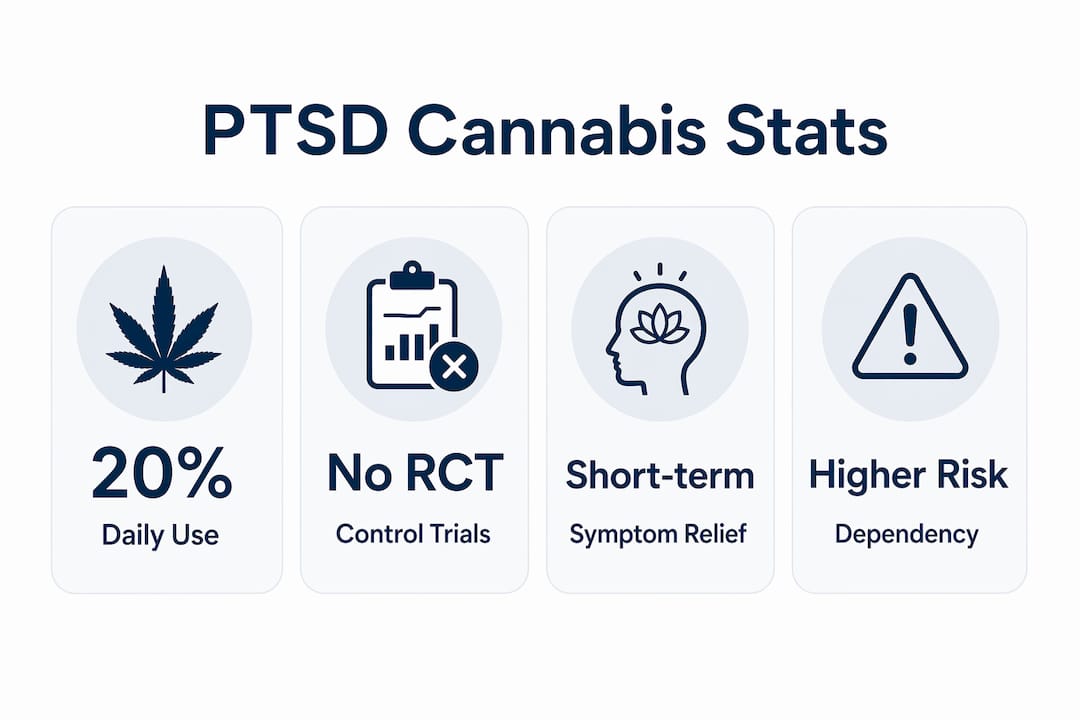
PTSD has a recognisable neurobiological signature. The amygdala, which processes fear responses, becomes hyperactive. The medial prefrontal cortex, which regulates emotional responses and suppresses fear, becomes underactive. The hippocampus, responsible for memory consolidation, shows structural changes. These three regions interact constantly, and their dysregulation drives the core symptoms: intrusive memories, hyperarousal, avoidance, and emotional numbing.
The endocannabinoid system sits directly inside this circuitry. CB1 and CB2 receptors are densely expressed in the amygdala, prefrontal cortex, and hippocampus. THC, the primary psychoactive compound in cannabis, binds to CB1 receptors and can acutely dampen amygdala reactivity, which is why many patients report feeling less on edge after use. CBD, the non-psychoactive compound, appears to increase serotonin and dopamine activity in the midbrain, potentially reducing stress responses through a different pathway. Pre-clinical studies in animal models suggest that both THC and CBD can facilitate fear extinction, the process by which traumatic memories lose their emotional charge, though translating that finding to humans has proven difficult.
Clinical caution: Cannabis may reduce the acute distress of trauma-related symptoms, but that same sedation can interfere with the emotional processing that trauma-focused therapies depend on. Exposure-based treatments like Prolonged Exposure and Cognitive Processing Therapy require patients to engage with distressing memories, not avoid them. Cannabis use that blunts that engagement may undermine the therapy’s core mechanism.
Key mechanisms and their clinical implications:
The cannabis and anxiety relationship is dose-dependent and highly variable by cannabinoid profile, which is why the same product can calm one person and agitate another.
The risks associated with cannabis use in PTSD are not hypothetical. They are documented across multiple studies and clinical guidelines, and they deserve direct attention rather than a footnote.
The most commonly reported adverse effects include:
The VA/DoD Clinical Practice Guideline (2023) strongly recommends against treating PTSD with cannabis or cannabis derivatives, citing the lack of evidence for efficacy, known adverse side effects, and associated risks. Providers are advised to offer education about long-term cannabis use problems and refer patients experiencing cannabis-related difficulties to a substance use disorder specialist.
The dependency concern deserves specific attention. People with PTSD experience greater cannabis craving and withdrawal than those without PTSD, and they are more likely to relapse within six months of a quit attempt. This does not mean cannabis is categorically off the table for every patient, but it does mean that anyone considering it should do so with a clear understanding of the dependency risk and with a clinician involved in the decision.
For adults who want to understand cannabis overconsumption risks in more detail, the pattern of escalating use is one of the clearest warning signs to watch for.
Canada’s legal cannabis framework, established under the Cannabis Act in 2018, has made it easier to study real-world usage patterns than in most other countries. What emerges from Canadian and comparable international data is a picture of high prevalence, varied administration routes, and a strong preference for THC-dominant products.
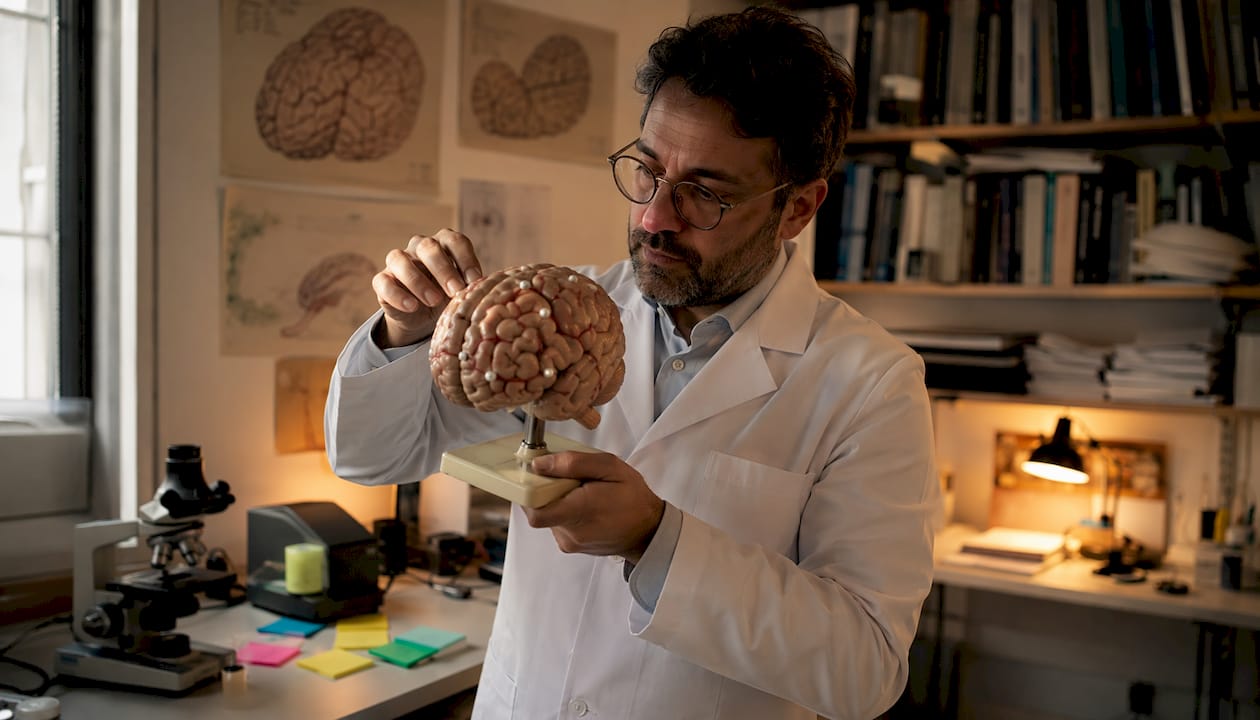
Nearly one in five adults with PTSD report daily cannabis use, a rate substantially higher than in the general adult population. Canadian veterans and civilians show similar usage patterns, with administration routes spanning smoking, vaping, and edibles. The preference for THC-dominant products is consistent across both groups, though CBD-only and balanced THC+CBD preparations are increasingly common as awareness of CBD’s distinct effects grows.
Usage snapshot: Daily cannabis use is reported by close to 20% of adults with PTSD, with THC-dominant products being the most commonly selected form across both veteran and civilian populations.
| Usage characteristic | Pattern observed |
|---|---|
| Frequency | Close to 20% report daily use |
| Preferred cannabinoid profile | THC-dominant, with growing interest in balanced THC+CBD |
| Administration routes | Smoking, vaping, edibles, oils |
| Primary reported reasons | Sleep disruption, hyperarousal, anxiety, nightmares |
| Population | Veterans and civilians; similar patterns across both groups |
The reasons patients give for using cannabis map directly onto PTSD’s most disruptive symptoms: sleep disruption, hyperarousal, anxiety, and nightmares. This is not surprising given what is known about THC’s acute sedating and anxiolytic effects. What is notable is that the symptom domains patients most commonly target with cannabis, hyperarousal and sleep, are also the domains where observational studies report the most consistent subjective improvement.
Canadian healthcare providers are increasingly encountering patients who are already using cannabis when they present for PTSD treatment. Health Canada’s guidance for medical practitioners acknowledges the variability in THC and CBD content across products and the absence of standardised dosing, which makes clinical management genuinely difficult. The lack of dosing standards is not a minor technical gap; it means that two patients using “the same” product may be receiving very different cannabinoid exposures.
The clinical reality is that many patients with PTSD are already using cannabis when they arrive at a provider’s office. Ignoring that use is not a neutral clinical choice. It leaves a significant variable unaddressed and can undermine treatment planning.
The VA/DoD guideline is clear: providers should not ignore cannabis use in their PTSD patients. The recommended approach involves open, non-judgmental discussion, education about risks, and referral to substance use disorder support when needed. Critically, patients do not need to achieve abstinence before beginning evidence-based PTSD treatment. A meta-analysis of four RCTs found that trauma-focused therapies outperformed non-trauma-focused therapies regardless of whether patients were using cannabis at baseline, which is an important finding for clinicians who might otherwise delay treatment pending abstinence.
Best practices for patients and clinicians:
Pro Tip: If you are currently in trauma-focused therapy and using cannabis, consider timing your use to avoid the hours immediately before and after sessions. Acute intoxication during or around exposure exercises may reduce the emotional processing that makes those sessions effective.
For patients exploring evidence-based guidance on cannabis and anxiety, the same principle applies: cannabis can be part of a broader symptom management strategy, but it works best when it is transparent, monitored, and not substituting for proven treatments.
PTSD and cannabis use co-occur at rates that far exceed chance. The epidemiological picture is consistent across North American studies: people with PTSD use cannabis more frequently, in higher quantities, and with greater difficulty stopping than people without PTSD.
The prevalence figure that appears most consistently in the research is that close to one in five adults with PTSD report daily cannabis use. That is not occasional or recreational use; it is a pattern of regular, symptom-driven consumption. Among veterans specifically, cannabis use for PTSD has become common enough that several U.S. states have added PTSD as an approved condition for medical cannabis programmes, and Canadian veterans have access to cannabis through Veterans Affairs Canada under certain conditions.
The reasons behind this elevated prevalence are partly neurobiological and partly circumstantial. People with PTSD experience chronic hyperarousal, sleep disruption, and anxiety, all of which cannabis can acutely reduce. The relief is real in the short term, which reinforces use. Over time, tolerance develops, and the dose required to achieve the same effect increases. This escalation pattern, combined with the heightened craving and withdrawal that people with PTSD experience, creates a cycle that is genuinely harder to break than for people without PTSD.
Gender and age patterns in Canadian PTSD populations mirror broader cannabis use trends, with higher rates among younger adults and men, though women with PTSD report cannabis use at rates that are elevated relative to women without PTSD. The disconnect between the high prevalence of use and the absence of strong clinical evidence supporting that use is one of the most pressing gaps in the current research landscape. A 2026 scoping review noted that psychiatric cannabis research is heavily confounded by expected effects and small trial sizes, underscoring how much work remains before the field can offer definitive guidance.
Cannabis can provide short-term symptom relief for some people with PTSD, but no randomized controlled trial has proven it superior to placebo, and major clinical guidelines recommend against it as a primary treatment.
| Point | Details |
|---|---|
| No RCT superiority over placebo | The only whole-plant cannabis RCT for PTSD found no significant advantage over placebo in Phase 1. |
| Short-term relief, uncertain long-term outcomes | Observational data suggest hyperarousal and sleep improvements, but long-term efficacy and safety are unproven. |
| Significant risks exist | Adverse effects include tolerance, dependency, symptom worsening, and doubled dropout rates from PTSD therapy. |
| Canadian prevalence is high | Close to 20% of adults with PTSD report daily cannabis use, making clinical management of co-occurring use a priority. |
| Greensociety supports informed choices | Greensociety offers a curated range of cannabis products and educational resources for Canadian adults who choose to use cannabis as part of a broader, provider-informed symptom management approach. |
The conversation around cannabis and PTSD tends to polarise quickly. Advocates point to the observational data and patient testimonials; sceptics cite the RCT results and the VA/DoD guideline. Both sides are selecting real evidence. The more useful question is: what does the totality of evidence actually support?
What it supports is this: cannabis can reduce acute hyperarousal and improve sleep in the short term for many people with PTSD. That is a real effect, and dismissing it because it has not been confirmed in a large RCT does not serve patients well. At the same time, the absence of RCT-level proof matters enormously for clinical decision-making. Providers cannot responsibly recommend a treatment they cannot dose, standardise, or predict outcomes for.
The piece that gets underemphasised in most coverage is the interaction with psychotherapy. Trauma-focused therapies like Prolonged Exposure and Cognitive Processing Therapy are the treatments with the strongest evidence for PTSD. They work by having patients engage with distressing memories in a controlled way until those memories lose their emotional charge. Cannabis, particularly THC-dominant products, can blunt that emotional engagement. A patient who uses cannabis to feel less distressed before a session may also be reducing the therapy’s effectiveness. That trade-off is worth understanding before deciding whether cannabis fits into a treatment plan.
The most defensible position in 2026 is that cannabis may be a useful adjunct for some patients, particularly for sleep and hyperarousal, when used transparently with a clinician’s knowledge and not as a substitute for evidence-based psychotherapy. That is a narrower claim than advocates often make, and a more generous one than strict guideline adherence would suggest. It is also, given the current evidence, the honest one.
If you have read this far, you already know the nuance: cannabis is not a cure for PTSD, but for some adults it plays a real role in managing specific symptoms like sleep disruption and hyperarousal, particularly when used alongside professional care. Greensociety is built for exactly that kind of informed, intentional consumer.
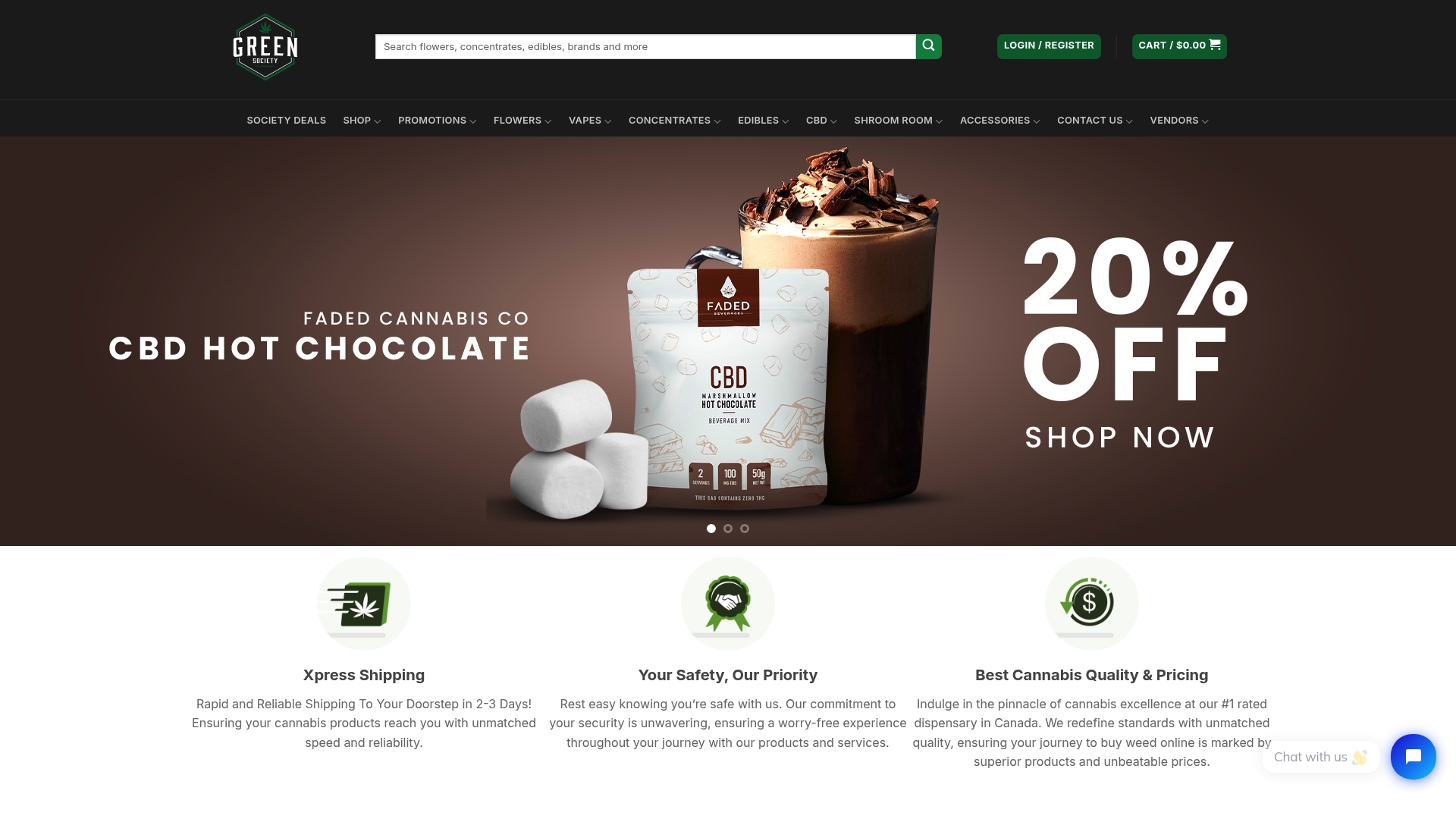
Greensociety offers a carefully curated selection of cannabis flowers, edibles, concentrates, CBD products, and vapes, all available through a straightforward online platform with discreet delivery across Canada. Whether you are exploring CBD-predominant options for anxiety relief or looking for a specific THC+CBD ratio to discuss with your provider, Greensociety’s product range and educational resources give you the information to make a considered choice. The platform’s cannabis flower buying guide walks you through selecting products by cannabinoid profile, potency, and administration route, which is exactly the kind of specificity that matters when you are using cannabis for symptom management rather than recreation. If edibles are your preferred route, the benefits of edibles guide covers onset times, dosing considerations, and what to expect. Browse Greensociety’s full catalogue at greensociety.cc and order with confidence, knowing your purchase arrives discreetly and backed by a platform that takes product quality seriously.
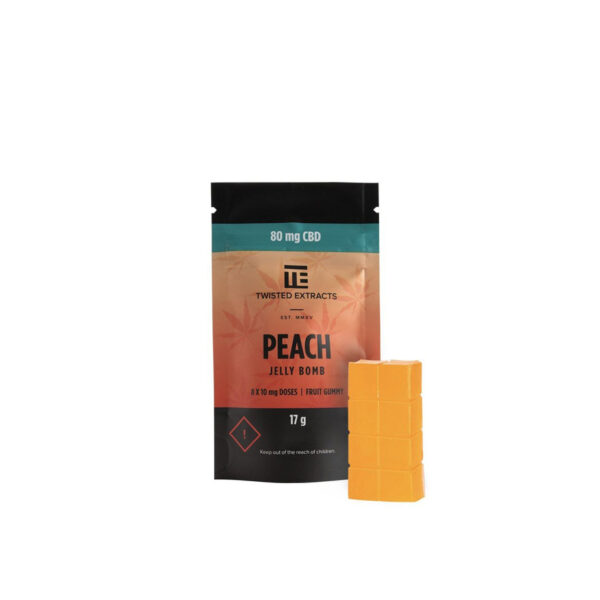 Twisted Extracts Peach CBD Jelly Bomb
 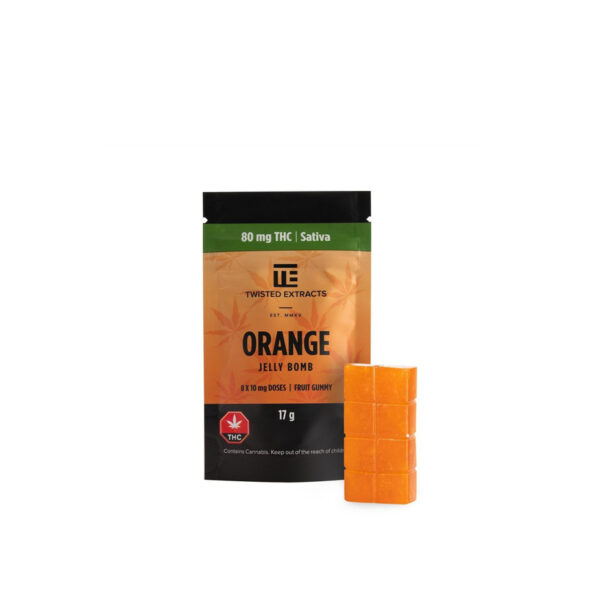 Twisted Extracts Orange Jelly Bomb
 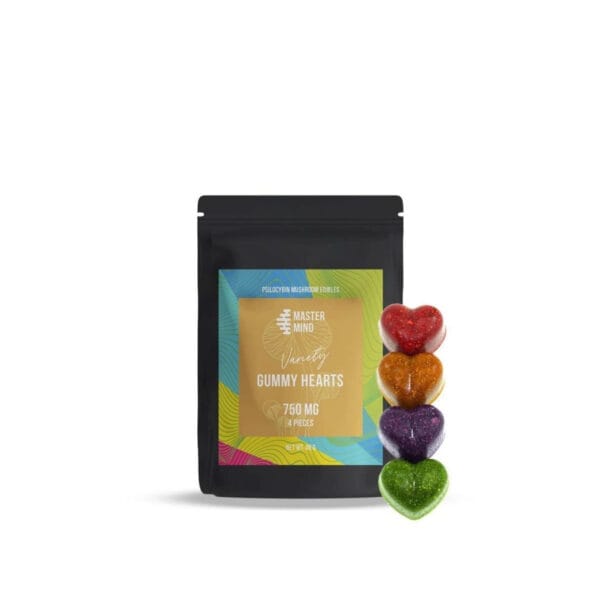 MasterMind Variety Gummy Hearts