Free Shipping
on orders over $150.00
$0.00
$150.00
Add $150.00 more for free shipping!

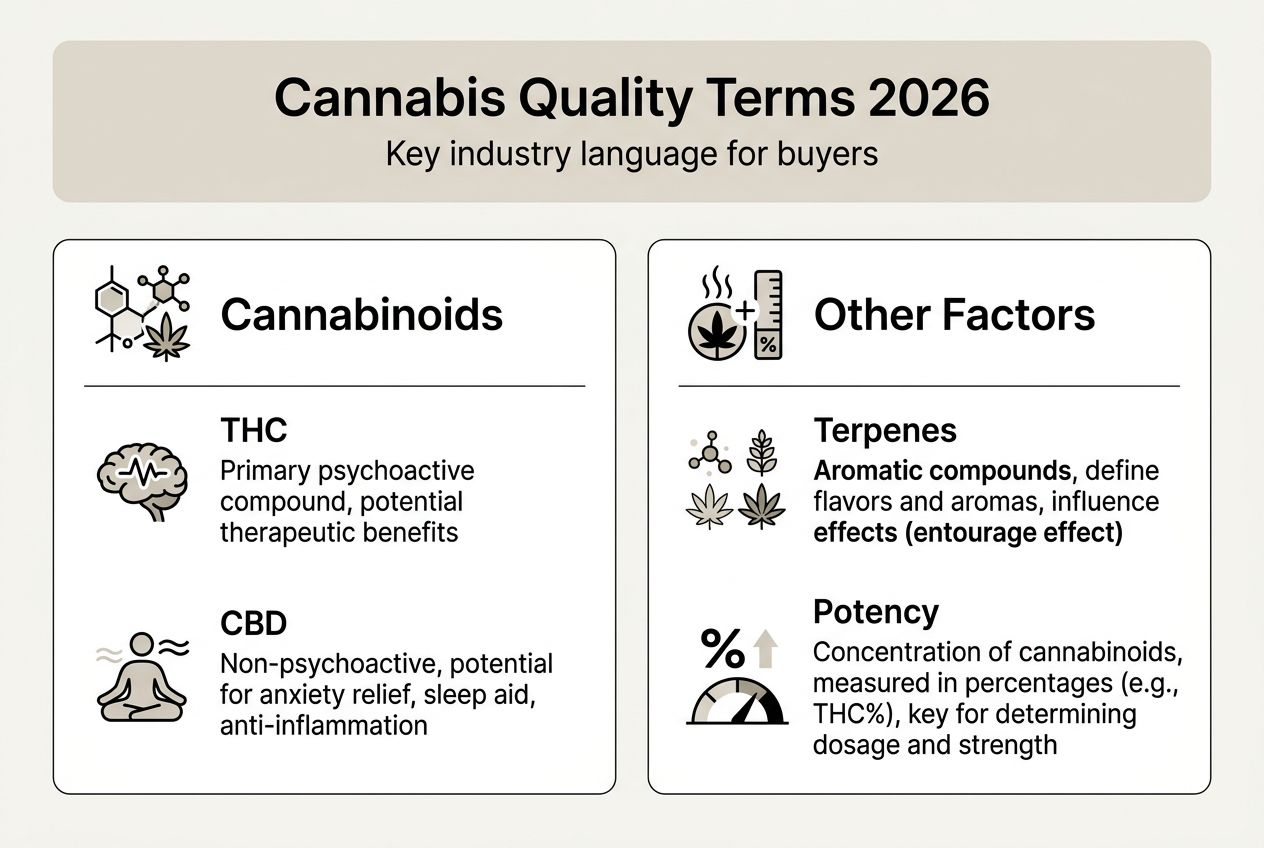
Navigating cannabis quality terminology can feel overwhelming when you encounter labels packed with THC percentages, terpene profiles, and strain classifications. Many buyers struggle to decode these industry terms, leading to uncertainty about whether they are selecting truly high-quality products. Understanding what these terms actually mean empowers you to make informed purchasing decisions, ensuring you get cannabis that meets your expectations for potency, flavour, and safety. This guide clarifies the essential quality terms used across the cannabis industry in 2026, helping you shop with confidence.
| Point | Details |
|---|---|
| Industry terms define quality | THC, CBD, terpenes, and potency measurements help assess cannabis product characteristics and effects. |
| Lab testing verifies safety | Certified lab reports confirm cannabinoid levels and screen for contaminants, ensuring consumer protection. |
| Sensory evaluation matters | Appearance, aroma, and texture provide immediate quality clues when inspecting cannabis in person. |
| Licensed products offer assurance | Choosing licensed cannabis ensures regulatory compliance and transparent quality standards in 2026. |
| Knowledge drives better purchases | Understanding terminology helps you ask the right questions and select products that match your needs. |
Cannabis quality assessment relies on specific terminology that describes product characteristics and consumer expectations. Knowing these terms transforms confusing labels into useful information that guides your purchasing decisions.
THC and CBD represent the two most prominent cannabinoids found in cannabis, each contributing differently to product quality and effects. THC (tetrahydrocannabinol) delivers the psychoactive experience many consumers seek, whilst CBD (cannabidiol) offers therapeutic benefits without intoxication. Cannabis quality is assessed by attributes like potency, terpenes, and strain type, making these cannabinoid concentrations critical indicators on product labels. Higher THC percentages do not automatically mean better quality, as balance and intended use matter significantly. CBD-dominant products appeal to users prioritising wellness applications over recreational effects.
Terpenes define the aromatic and flavour profiles that distinguish one cannabis product from another, whilst also influencing therapeutic properties. These organic compounds create the distinctive scents ranging from citrus and pine to earthy and floral notes. Terpene content affects not just taste but also the entourage effect, where cannabinoids and terpenes work synergistically to enhance overall benefits. Quality cannabis typically displays rich, complex terpene profiles that indicate proper cultivation and curing practices.
Potency refers to the total cannabinoid concentration in a product, expressed as a percentage or milligrams per gram. This measurement helps you understand product strength and dose appropriately for your tolerance and desired effects. Quality cannabis products provide clear potency information, allowing you to compare options and make educated choices.
Strain classifications (indica, sativa, hybrid) serve as quality descriptors that signal expected effects and growth characteristics:
These classifications influence consumer preferences significantly, though modern cannabis genetics have blurred traditional boundaries. Understanding how these terms relate to cannabis product quality indicators helps you navigate product menus and communicate preferences effectively to sellers.
Lab testing provides objective verification of cannabis quality claims, transforming subjective assessments into measurable data that protects consumers. This scientific process has become essential for quality assurance in the regulated cannabis market of 2026.
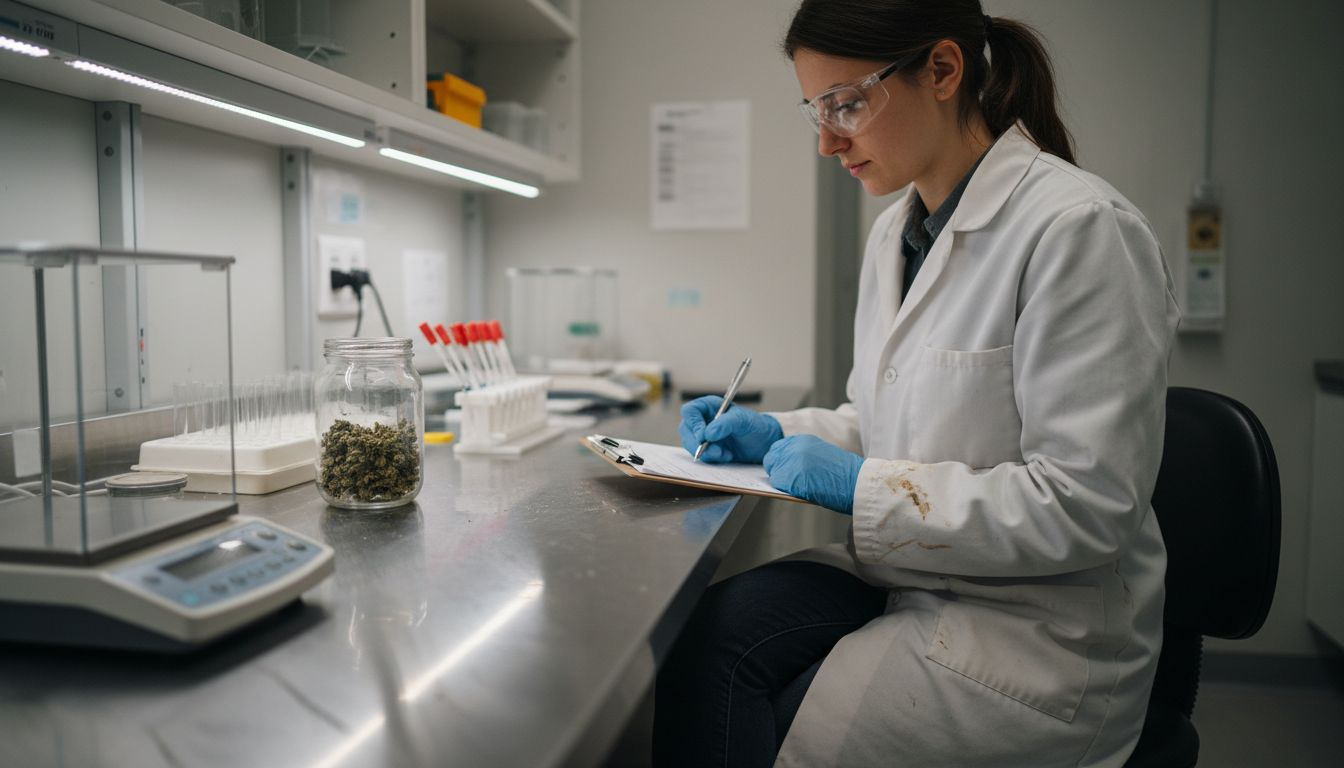
Standard laboratory tests examine multiple quality and safety parameters that licensed producers must meet. Lab testing is essential for verifying potency, safety, and cannabinoid profiles, ensuring products meet regulatory standards before reaching consumers. These comprehensive analyses screen for harmful substances whilst confirming advertised cannabinoid and terpene content.
The testing process typically follows these steps:
Interpreting lab reports becomes straightforward once you understand the key sections. Cannabinoid panels show exact percentages or milligrams per gram for each compound detected, helping you verify product strength matches label claims. Terpene profiles list individual compounds like myrcene, limonene, and pinene with their concentrations, explaining aroma characteristics. Contaminant results should indicate “not detected” or levels below regulatory limits, confirming safety.
Pro Tip: Look for licensed producers with transparent lab results posted on packaging or websites, as this demonstrates commitment to quality and builds consumer trust through accountability.
Choosing cannabis products backed by lab testing cannabis quality safety protocols protects you from misleading marketing and potentially harmful products. Testing supports legal compliance by ensuring products meet government standards for potency limits and safety thresholds. This verification process gives you confidence that what you purchase matches advertised specifications and poses minimal health risks.
Accessing lab results has become easier in 2026, with many licensed retailers providing COAs through QR codes on packaging or online product pages. Learning how to read lab results empowers you to make informed comparisons between products and verify quality claims independently. This transparency represents a significant advancement in consumer protection within the cannabis industry.
Whilst lab testing provides scientific validation, your own sensory evaluation offers immediate quality assessment when examining cannabis products firsthand. Developing these observation skills helps you identify superior products before purchase.
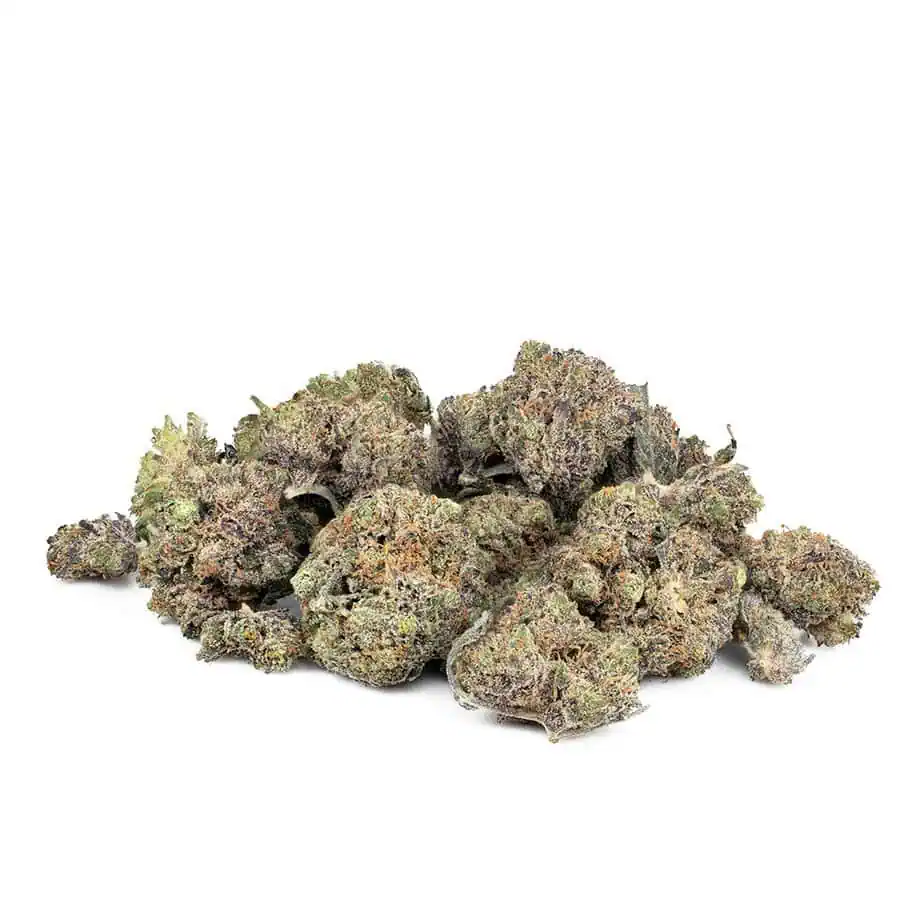
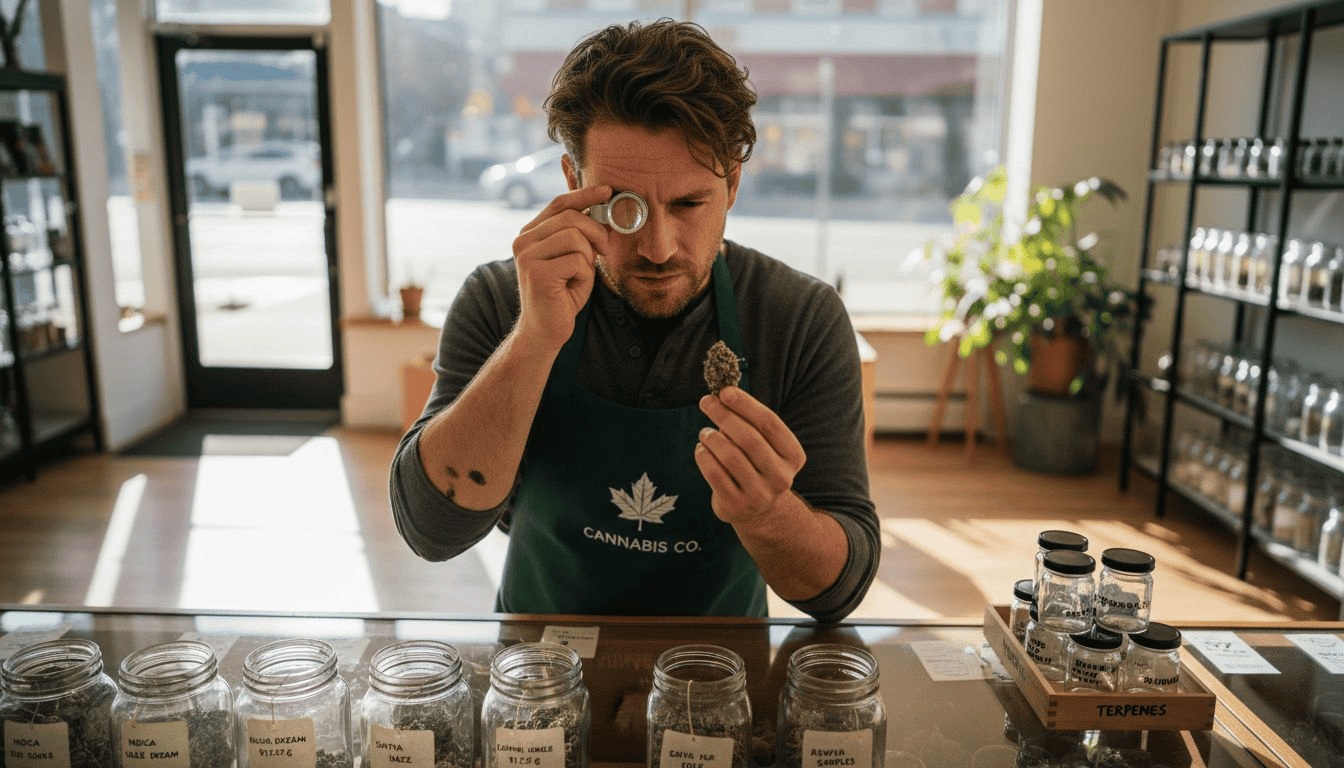
Appearance, aroma, and texture are top indicators for cannabis quality evaluation, giving you practical tools for quality assessment in retail settings. Visual inspection reveals much about cultivation practices and product freshness through several key characteristics.
Key visual indicators include:
Aroma profiles provide crucial quality information through terpene expression that varies by strain and cultivation method. Fresh, pungent scents indicate proper storage and rich terpene preservation, whilst musty or hay-like odours suggest degradation or inadequate curing. Different terpene scents signal specific quality attributes: citrus notes from limonene suggest uplifting effects, pine aromas from pinene indicate alertness-promoting properties, and earthy scents from myrcene point toward relaxing characteristics.
Texture considerations reveal moisture content and handling quality through tactile examination. Properly cured cannabis feels slightly sticky from resin content without being wet or overly dry. Flowers should have some give when gently squeezed but maintain structural integrity rather than crumbling into dust. Excessive dryness indicates age or poor storage, whilst too much moisture raises mould concerns.
| Quality Level | Appearance | Aroma | Texture |
| — | — | — |
| High-quality | Vibrant colours, dense trichomes, tight structure | Strong, complex terpene profile, pungent and fresh | Sticky resin, slight give, maintains form |
| Low-quality | Dull or brown colours, sparse trichomes, loose buds | Weak, hay-like, or musty scents | Bone dry and crumbly or excessively moist |
Pro Tip: Trust your senses but combine sensory evaluation with lab information for best quality identification, as appearance alone cannot detect contaminants or verify exact potency levels.
Learning how to identify quality cannabis through sensory assessment complements scientific testing, giving you comprehensive quality evaluation skills. These observation techniques work whether you shop in physical dispensaries or evaluate products upon delivery from online retailers. Developing this expertise helps you spot substandard products quickly and select superior options that deliver the experience you seek.
Applying your knowledge of industry terms and quality indicators requires strategic approaches when purchasing cannabis through various retail channels. These actionable steps help you navigate the 2026 market confidently.
Most consumers prefer licensed cannabis products due to quality assurance and safety standards, with 87% choosing regulated options over unverified sources. This preference reflects growing awareness of quality terminology and testing importance among educated buyers.
Follow this process for vetting cannabis quality before purchase:
Purchasing channel considerations vary between physical dispensaries and online platforms. In-store shopping allows direct sensory evaluation and immediate staff consultation, whilst online purchasing offers broader selection and detailed product information through digital platforms. Both channels should provide transparent quality information and lab results for informed decision making.
Quality terms to look for on packaging and menus include:
When consulting budtenders or online customer service, ask targeted questions that reveal quality details. Enquire about terpene profiles for flavour preferences, cultivation methods for organic or sustainable practices, and storage duration to assess freshness. Request recommendations based on specific effect goals rather than just highest THC content, as quality involves multiple factors beyond potency alone.
Understanding signs of quality cannabis in 2026 helps you recognise red flags like missing lab results, vague product descriptions, or reluctance to provide quality information. Reputable sellers welcome informed questions and provide detailed answers that demonstrate product knowledge and quality commitment.
Utilising comprehensive resources like a cannabis quality assurance guide supports your purchasing decisions with structured frameworks for quality evaluation. These tools translate industry terminology into practical checklists that simplify complex quality assessments during shopping experiences. Building this knowledge base transforms you from uncertain buyer into confident consumer who recognises genuine quality and value.
Green Society offers extensive resources and carefully curated product selections that help you apply quality terminology knowledge to real-world cannabis purchasing in 2026. Our platform combines educational content with transparent quality information, making informed choices straightforward and accessible.
Discover detailed guides that deepen your understanding of quality assessment and product selection. Our cannabis flower checklist 6 essential steps provides a systematic approach to evaluating flower quality using industry terminology you have learned. Explore our comprehensive cannabis quality assurance guide for advanced insights into testing standards and quality verification processes. For those interested in expanding their cannabis experience beyond flower, check out cannabis in the kitchen edible recipes to learn how quality ingredients create superior homemade edibles. Green Society combines education with access to lab-tested, licensed products that meet the quality standards discussed throughout this guide.
Industry terms for cannabis quality include THC and CBD percentages, terpene profiles, potency measurements, and strain classifications like indica, sativa, or hybrid. These terms describe product characteristics that affect consumer experience and help buyers compare options. Understanding this terminology enables informed purchasing decisions based on scientific quality indicators rather than marketing claims alone.
Cannabis lab tests verify advertised potency levels and screen for harmful contaminants like pesticides, heavy metals, and microbial threats. These analyses provide objective quality confirmation that protects consumers from misleading claims and unsafe products. Lab results establish trust between producers and buyers by demonstrating compliance with safety standards and accurate product labelling.
Look for vibrant colour, strong aromatic presence, visible trichome coverage, and proper moisture balance when examining cannabis in retail settings. Fresh products display pungent terpene scents without musty or hay-like odours that indicate degradation. Avoid purchasing buds that appear discoloured, excessively dry, crumbly, or show any signs of mould or contamination.
Understanding quality terminology in 2026 empowers buyers to navigate an increasingly complex market with numerous product options and varying quality levels. Clear knowledge of terms like potency, terpenes, and lab testing helps you identify safe, effective products that match your specific needs. This expertise protects you from misleading marketing whilst ensuring you receive genuine value for your investment in licensed cannabis products.