Free Shipping
on orders over $150.00
$0.00
$150.00
Add $150.00 more for free shipping!

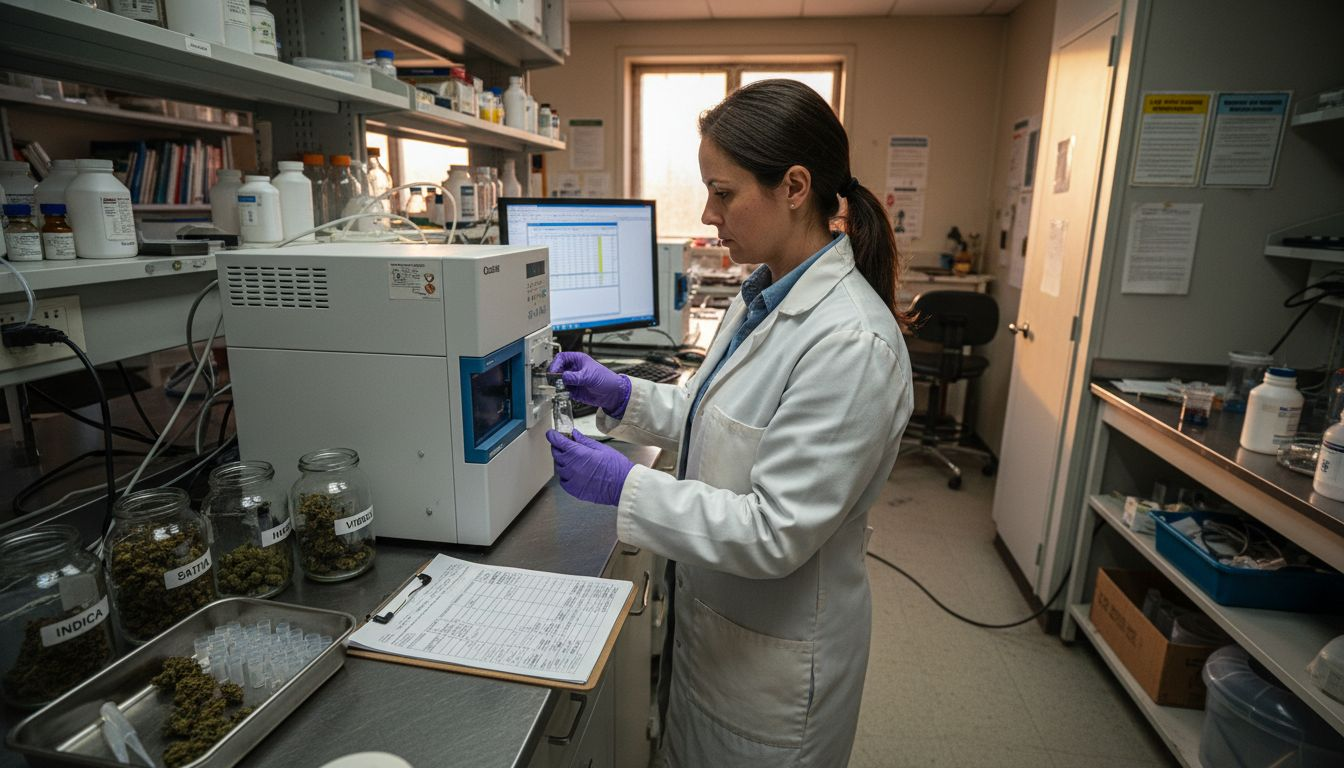
Finding truly reliable cannabis products can feel daunting when quality varies so much across online retailers. For Canadian adults who value both safety and strain precision, understanding how quality is defined is key to making confident choices. This article breaks down the science-based standards behind cannabis quality, highlighting critical factors like botanical authenticity and rigorous contaminant screening that protect your health and enhance your experience.
| Point | Details |
|---|---|
| Quality Assessment is Multifaceted | Quality in cannabis extends beyond potency, incorporating botanical authenticity, chemical composition, contamination testing, and manufacturing consistency. |
| Request Third-Party Lab Results | Always obtain comprehensive lab testing results to verify the quality and safety of cannabis products. |
| Legal Compliance is Ongoing | Adhering to regulatory standards requires robust tracking and documentation to ensure consumer safety and product reliability. |
| Low-Quality Products Pose Risks | Substandard cannabis can lead to serious health issues, emphasizing the importance of purchasing from licensed and reputable sources. |
Quality in cannabis products extends far beyond simple potency measurements. It encompasses a comprehensive framework of scientific, regulatory, and safety standards that ensure consumers receive a reliable, safe, and consistent product. Cannabis quality indicators represent a complex interplay of botanical, chemical, and manufacturing criteria.
According to the USP and ASTM workshops, cannabis quality fundamentally involves multiple critical dimensions:
Scientific organizations like the FDA guidance document emphasize that quality transcends mere chemical analysis. It involves comprehensive evaluation of sourcing, handling, compliance, and manufacturing controls to guarantee product safety and reliability.
Beyond laboratory metrics, quality in cannabis products also involves understanding nuanced factors such as cultivation methods, genetic stability, and environmental conditions. These elements directly influence the plant’s therapeutic potential, chemical stability, and overall consumer experience.
Key Quality Assessment Parameters:
Quality is not a single metric, but a holistic assessment of botanical, chemical, and regulatory standards.
Pro tip: Request comprehensive third-party lab testing results whenever purchasing cannabis products to verify quality and safety parameters.
Cannabis quality standards represent a critical framework for ensuring product safety, consistency, and consumer protection. Medical cannabis quality standards have evolved significantly, creating comprehensive guidelines that address multiple dimensions of product evaluation.
According to the United States Pharmacopeia, key quality standards typically encompass several critical domains:
The USP policy recommendations emphasize developing uniform, science-based standards that can be applied consistently across different regulatory environments. These standards aim to mitigate risks and enhance consumer confidence by establishing clear, measurable quality benchmarks.
International pharmacopeial organizations have developed detailed monographs that specify acceptable ranges for cannabinoid content, acceptable contaminant levels, and manufacturing process controls. These standards help standardize production methods, ensuring that cannabis products meet rigorous scientific and safety criteria.

Primary Quality Standard Categories:
Here is a comparison of how different cannabis quality standards affect both consumer safety and product reliability:
| Standard Type | Impact on Safety | Impact on Reliability |
|---|---|---|
| Chemical Composition | Minimizes toxic compounds | Guarantees expected effects |
| Microbiological Purity | Reduces infection risk | Enhances shelf stability |
| Heavy Metal Testing | Prevents long-term toxicity | Supports regulatory approval |
| Packaging Guidelines | Protects product from degradation | Maintains accurate dosing |
Quality standards are not static; they represent a dynamic framework continuously refined through scientific research and regulatory evolution.
Pro tip: Always request detailed laboratory testing certificates when purchasing cannabis products to verify comprehensive quality assessment results.
Legal compliance in cannabis production represents a complex and critical framework that protects both consumers and industry stakeholders. Cannabis regulatory oversight involves intricate regulations that address product safety, manufacturing standards, and public health considerations.
Key legal compliance requirements encompass multiple critical dimensions:
The CPEAR research recommendations highlight the urgent need for centralized federal oversight to create harmonized testing and safety standards. This approach aims to reduce regulatory fragmentation and minimize public health risks associated with inconsistent product safety practices.
Navigating legal compliance requires understanding the nuanced intersection of federal, provincial, and municipal regulations. Cannabis producers must implement robust tracking systems, maintain meticulous documentation, and continuously adapt to evolving legislative requirements to ensure ongoing regulatory alignment.
Primary Compliance Monitoring Elements:
Legal compliance is not a destination, but an ongoing journey of adaptation and commitment to consumer safety.
Pro tip: Maintain comprehensive documentation of all production processes and consistently review current regulatory guidelines to ensure ongoing legal compliance.
Quality represents the fundamental determinant of cannabis product effectiveness, directly influencing both therapeutic outcomes and consumer experience. Cannabis product pharmacological performance depends critically on precise manufacturing standards and comprehensive quality control mechanisms.
Key factors demonstrating quality’s impact on cannabis value include:
The clinical research framework reveals that higher-quality cannabis products correlate directly with more predictable pharmacological effects and significantly reduced adverse outcomes. This relationship transforms quality from a technical specification into a critical consumer protection mechanism.
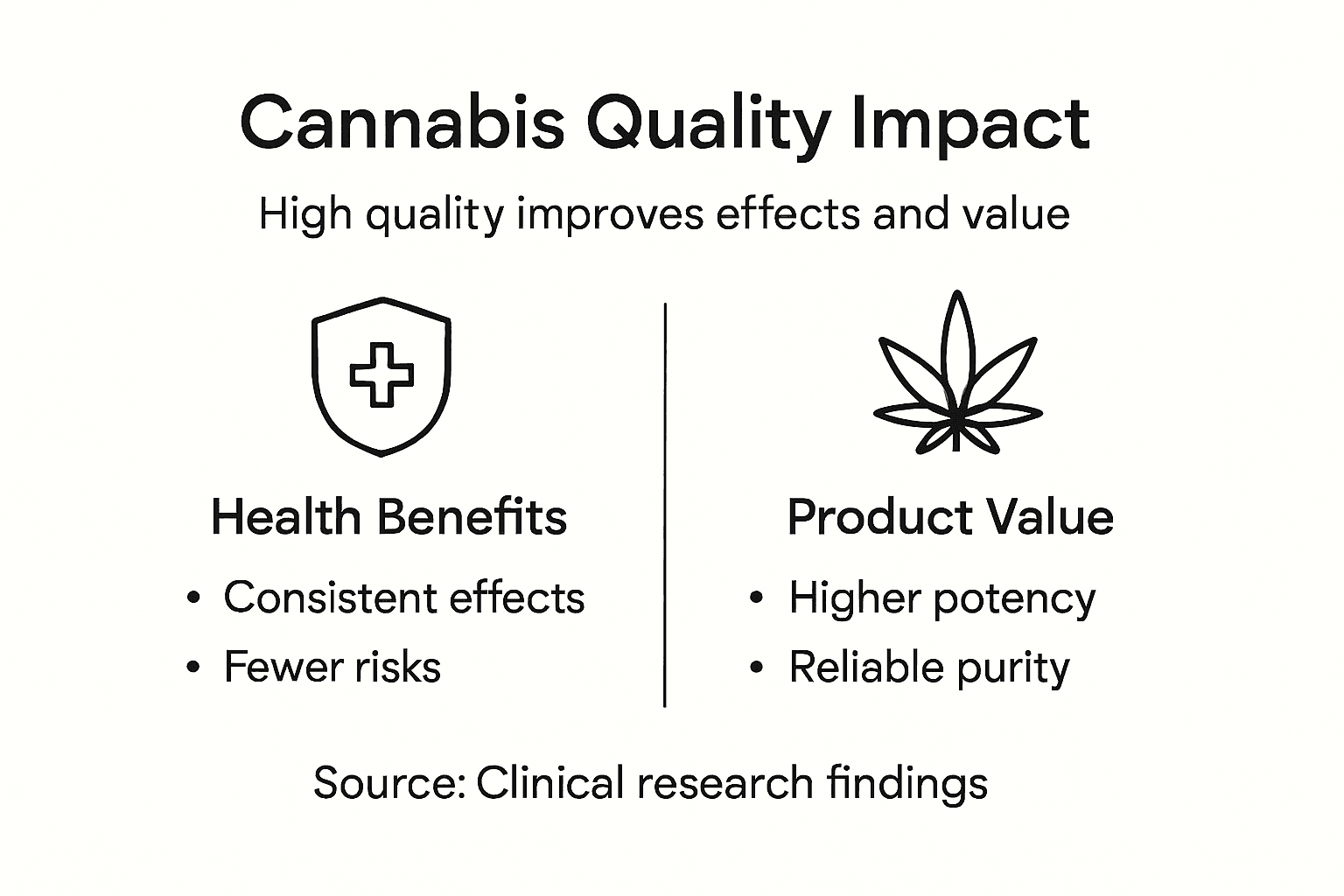
Consumers increasingly recognize that product quality transcends simple potency measurements. High-quality cannabis represents a sophisticated intersection of scientific precision, agricultural expertise, and rigorous testing protocols that collectively determine therapeutic potential and overall user experience.
Quality Impact Dimensions:
Quality is not an expense, but an investment in consumer well-being and product performance.
Pro tip: Always request comprehensive lab testing results to understand the true quality and potential effects of your cannabis products.
Low-quality and illicit cannabis products represent significant health risks that extend far beyond typical consumer concerns. Cannabis market contamination risks encompass a complex landscape of potential hazards that can compromise consumer safety and well-being.
Critical risks associated with substandard cannabis products include:
The FDA guidance highlights multiple concerning dimensions of unregulated cannabis products. These potentially dangerous items can introduce significant health complications, ranging from mild adverse reactions to severe toxicological events that might require medical intervention.
Illicit market products often bypass critical quality control mechanisms, creating an environment where consumers are essentially gambling with their health. The absence of standardized testing, regulatory oversight, and transparent manufacturing processes means that each purchase represents an unknown risk profile that can vary dramatically between batches.
Primary Health Risks:
The following table highlights key distinctions between regulated and illicit cannabis products:
| Factor | Regulated Products | Illicit Products |
|---|---|---|
| Testing and Certification | Independent lab verification | Rare or absent |
| Labelling Accuracy | Precise ingredients listed | Often incorrect or missing |
| Traceability | Full supply chain tracking | No supplier transparency |
| Consumer Protection | Strong recall mechanisms | Limited or none |
Unregulated cannabis products transform medicinal potential into a dangerous gamble.
Pro tip: Always verify product sources, request comprehensive lab testing results, and purchase from licensed, reputable providers to minimize health risks.
The challenges outlined in “Why Quality Matters in Cannabis – Health, Law, and Value” highlight the crucial importance of choosing cannabis products that meet rigorous quality standards and legal compliance. Consumers face risks from low-quality or illicit products including contamination, inconsistent potency, and unsafe manufacturing practices. At the same time, they seek reliable therapeutic effects, transparent lab testing, and adherence to regulatory oversight to protect their health and ensure value.
GreenSociety.cc understands these concerns. Our online dispensary platform offers a carefully curated selection of cannabis flowers, edibles, concentrates, vapes, and CBD products, all backed by comprehensive third-party lab testing to guarantee botanical authenticity, chemical purity, and safety. We deliver swift, discreet service alongside educational resources to empower you with knowledge about legal compliance and product quality.
Don’t compromise when it comes to your health and cannabis experience. Explore a trusted range of premium cannabis products and enjoy a seamless shopping journey today. Visit GreenSociety.cc now to access curated quality, verified safety, and expert guidance that puts you first.
Quality in cannabis products involves assessing several key indicators, including cannabinoid concentration, terpene profiles, absence of contaminants, consistent genetic lineage, and proper storage and handling practices.
Legal compliance ensures that cannabis products meet specific safety, quality, and manufacturing standards, protecting consumers from harmful substances and ensuring transparency in product labeling and traceability.
High-quality cannabis typically offers more reliable therapeutic outcomes with predictable physiological responses, whereas low-quality products can result in inconsistent effects and increased risks of adverse reactions.
Low-quality cannabis products may contain harmful contaminants like pesticides and heavy metals, have inconsistent potency, and pose health risks, including unexpected physiological reactions and long-term toxicity exposure.