Free Shipping
on orders over $150.00
$0.00
$150.00
Add $150.00 more for free shipping!

TL;DR:
- Sustainable cannabis production reduces ecological harm through energy efficiency, regenerative soil practices, and water conservation. Indoor cultivation has the highest energy impact, while outdoor growth offers the lowest overall footprint but faces limitations from weather and harvest frequency. Consumers and policymakers can support sustainability by choosing certified products, asking for transparency, and advocating for regulatory reforms favoring eco-friendly farming methods.
Sustainability in the cannabis industry is defined as the adoption of practices that reduce ecological harm through energy-efficient cultivation, renewable resources, and regenerative soil management. Cannabis production carries a surprisingly heavy environmental footprint, from electricity-hungry indoor grows to synthetic fertiliser runoff that damages waterways. Recognised frameworks like lifecycle assessment (LCA) and emerging certification programmes such as the Cannabis Farm Assessment Protocol are reshaping how growers, retailers, and consumers measure green performance. For environmental activists and eco-conscious consumers, understanding these pressures is the first step toward supporting genuinely responsible production.
Indoor cannabis cultivation is one of the most energy-intensive agricultural activities in North America. Indoor cannabis produces roughly 10 times the energy consumption per square foot compared to a typical office building, with 80% of emissions coming from lighting, HVAC, dehumidification, and CO2 supplementation. By 2018, Denver cannabis grows alone consumed 4% of the city’s total electricity supply. That single statistic shows how quickly a legalised market can reshape a city’s energy grid.
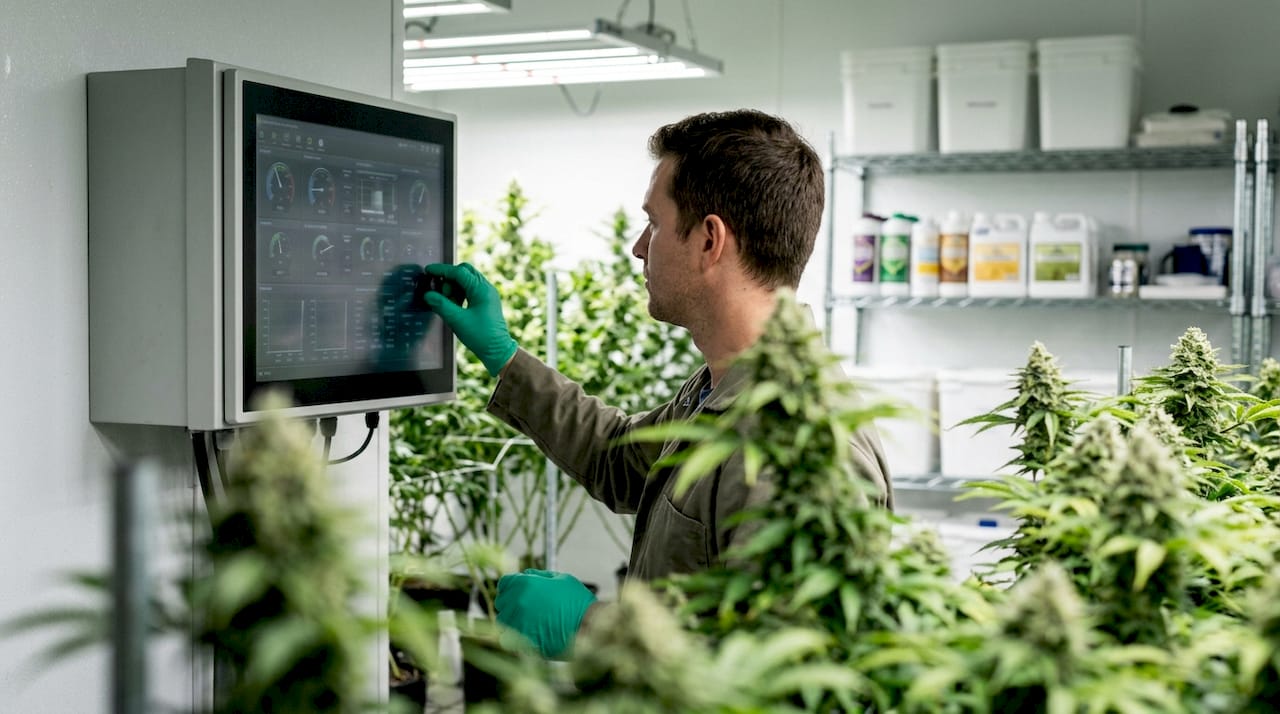
Greenhouse gas emissions follow directly from that energy demand. Indoor cannabis contributes approximately 1.3% of Colorado’s annual greenhouse gas emissions, a figure comparable to coal mining and trash collection combined. Operations located in regions with fossil-fuel-heavy grids emit roughly 45% more greenhouse gases than those in cleaner-energy regions like Southern California. Geography, in other words, is a sustainability variable that growers cannot ignore.
Water use is the second major pressure point. Cannabis is a thirsty crop, and inefficient flood or overhead irrigation wastes enormous volumes in semi-arid climates. Synthetic fertilisers compound the problem. Synthetic nitrogen production accounts for roughly 2% of global greenhouse gas emissions, and nutrient runoff from cannabis fields pollutes local waterways and disrupts aquatic ecosystems.
The choice of growing medium matters too. Peat-based substrates are widely used in indoor cultivation, yet peat extraction destroys carbon-storing bogs that took thousands of years to form. Energy consumption, extraction solvents, and peat-based substrates are the principal contributors to environmental impact in indoor cannabis cultivation. Switching away from peat is one of the most direct ways a producer can lower its ecological footprint.
Key environmental pressure points at a glance:
The most impactful changes in green cannabis production are happening at the energy level. Replacing high-pressure sodium (HPS) lights with LED fixtures cuts electricity use for lighting by 30–50% without sacrificing canopy penetration. Pairing LED upgrades with high-efficiency HVAC and heat-recovery ventilation reduces the combined energy load that accounts for the bulk of indoor emissions. Switching to renewable electricity and efficient lighting is consistently identified as the highest-impact sustainability intervention available to indoor growers today.
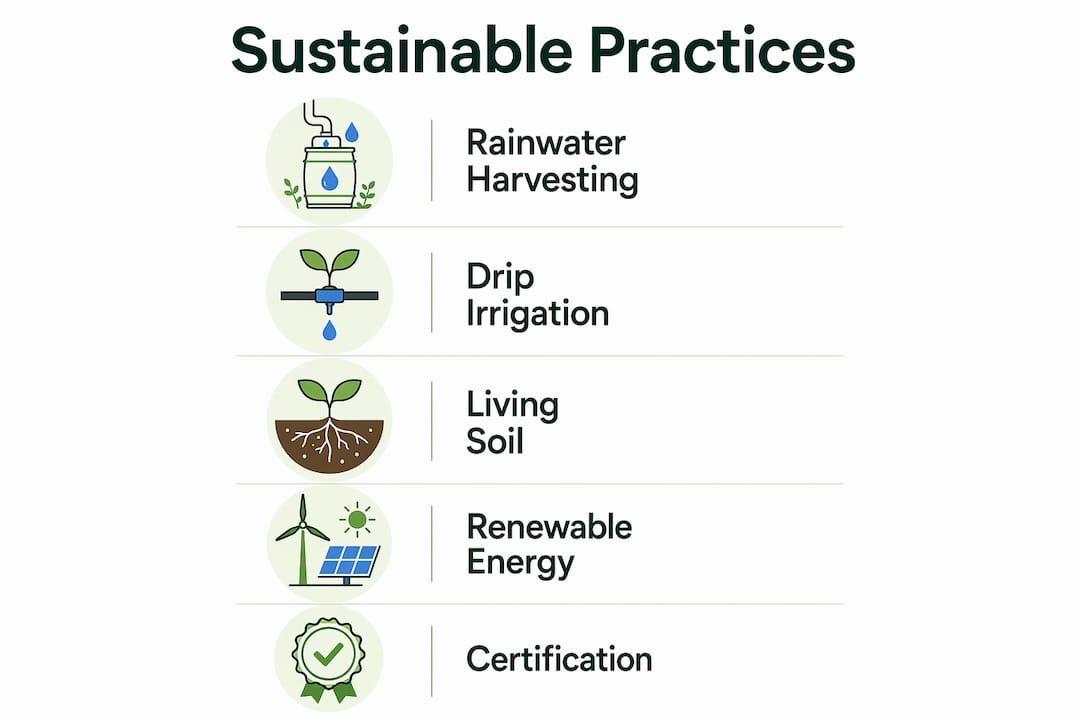
Water conservation follows a clear hierarchy of effectiveness:
Rainwater harvesting and drip irrigation can reduce water use by 30–50% in semi-arid cannabis cultivation environments. That reduction translates directly into lower operating costs, which makes water conservation one of the rare sustainability wins that also improves a farm’s bottom line.
Regenerative farming techniques are producing some of the most striking results. Living soil systems rely on a thriving community of bacteria, fungi, and other microorganisms to cycle nutrients naturally. No-till, cover-cropped fields produced hemp with 3.7 times higher CBG concentrations than conventionally tilled soil, and terpene profiles varied significantly between the two methods. That finding matters because it links ecological farming directly to product quality, not just environmental virtue.
Pro Tip: When evaluating a cannabis producer’s sustainability claims, ask specifically whether they use living soil across multiple harvests. Single-use growing media, even organic varieties, generate significant waste. Reusable living soil systems are a more meaningful indicator of genuine commitment to low-waste production.
Renewable energy adoption is accelerating across the sector. Increasing renewable energy usage from 22% to 50% in cannabis processing reduces climate impact by approximately 25%. Producers who install on-site solar or purchase verified renewable energy certificates can make that shift without relocating their operations.
No cultivation system is perfect. Lifecycle assessments show that indoor systems’ energy and climate control dominate their environmental impact, while outdoor systems’ substrate and input management are the major impact sources. Water use contributes meaningfully to the carbon footprint of both approaches. The honest conclusion is that every method has a different set of sustainability hotspots, and growers must analyse their whole system rather than optimising one variable in isolation.
| Cultivation method | Primary sustainability challenge | Key advantage |
|---|---|---|
| Indoor | Energy consumption and grid emissions | Year-round production, consistent quality |
| Outdoor | Substrate management, water use | Lowest energy footprint, natural light |
| Greenhouse | Heating and supplemental lighting | Balance of control and energy savings |
Outdoor growing offers the lowest overall environmental footprint, but it yields fewer harvests per year and exposes crops to weather variability. Indoor growing allows year-round production and tight quality control, but at a steep energy cost. Greenhouse cultivation sits between the two, using natural light for part of the day while providing climate protection.
Living soil systems add another layer of complexity. Increasing organic fertiliser application during flowering can dilute cannabinoid concentrations, and precision fertilisation is critical for both organic and synthetic inputs. Soil biology and plant-microbe interactions influence cannabinoid and terpene profiles in ways that are not yet fully mapped. Growers transitioning from synthetic to biological inputs should expect a learning curve before yields and potency stabilise.
Certification frameworks are beginning to address these complexities. The Cannabis Farm Assessment Protocol focuses on regenerative practices for ecological and economic benefits, including product transparency and input cost reduction. These emerging standards give buyers a more reliable signal than vague “natural” or “clean” marketing claims.
Consumers hold real purchasing power in this market. Choosing products from producers who use regenerative farming techniques and renewable energy sends a direct market signal. The following criteria help identify genuinely sustainable cannabis:
Pro Tip: Ask your retailer directly whether the brands they carry can provide any lifecycle or environmental data. Retailers who cannot answer that question are likely not prioritising sustainability in their sourcing decisions.
Activists can push beyond individual purchasing decisions. Advocating for municipal and provincial policies that allow outdoor cultivation removes one of the biggest structural barriers to green cannabis production. Historical regulatory frameworks pushed cannabis into energy-intensive indoor urban grows. Changing those rules is the single highest-leverage action available to policy-focused advocates.
Sustainable cannabis production requires system-wide changes across energy, water, soil management, and packaging, with no single cultivation method offering a perfect solution.
| Point | Details |
|---|---|
| Energy is the biggest lever | Switching to LED lighting and renewable electricity delivers the largest single reduction in cannabis emissions. |
| Water savings pay for themselves | Drip irrigation and rainwater harvesting cut water use by 30–50% and lower operating costs simultaneously. |
| Living soil improves quality | No-till, cover-cropped systems produced hemp with 3.7 times higher CBG concentrations than conventionally tilled soil. |
| No system is universally best | Lifecycle assessments show indoor, outdoor, and greenhouse grows each have distinct sustainability hotspots. |
| Consumer choices drive change | Selecting certified, transparently sourced cannabis and minimal packaging sends a direct signal to producers. |
Most sustainability discussions focus on what growers should do differently. Fewer address why the industry ended up so energy-intensive in the first place. Prohibition-era regulations forced cannabis into hidden indoor spaces, and when legalisation arrived, those indoor norms came with it. Zoning rules, security requirements, and licensing structures in many jurisdictions still favour indoor operations over outdoor or greenhouse grows. That regulatory inheritance is the root cause of the sector’s energy problem, and it does not get enough attention.
What I find genuinely encouraging is that market pressure is now doing what regulation has not. Consumers are asking harder questions. Retailers are starting to source more carefully. Producers who invested early in living soil, LED infrastructure, and renewable energy are finding that their sustainability story supports premium pricing. The economics are beginning to align with the ecology.
The area I watch most closely is certification. Organic labels are a start, but they only address inputs. The Cannabis Farm Assessment Protocol and similar frameworks evaluate the whole system, including soil health, water stewardship, and energy sourcing. When those standards become widely adopted and independently verified, consumers and activists will finally have a reliable tool for making informed choices. Until then, transparency and direct questions to producers remain the best available instruments.
— Juiced
Choosing sustainable cannabis flower starts with knowing what to look for before you buy.

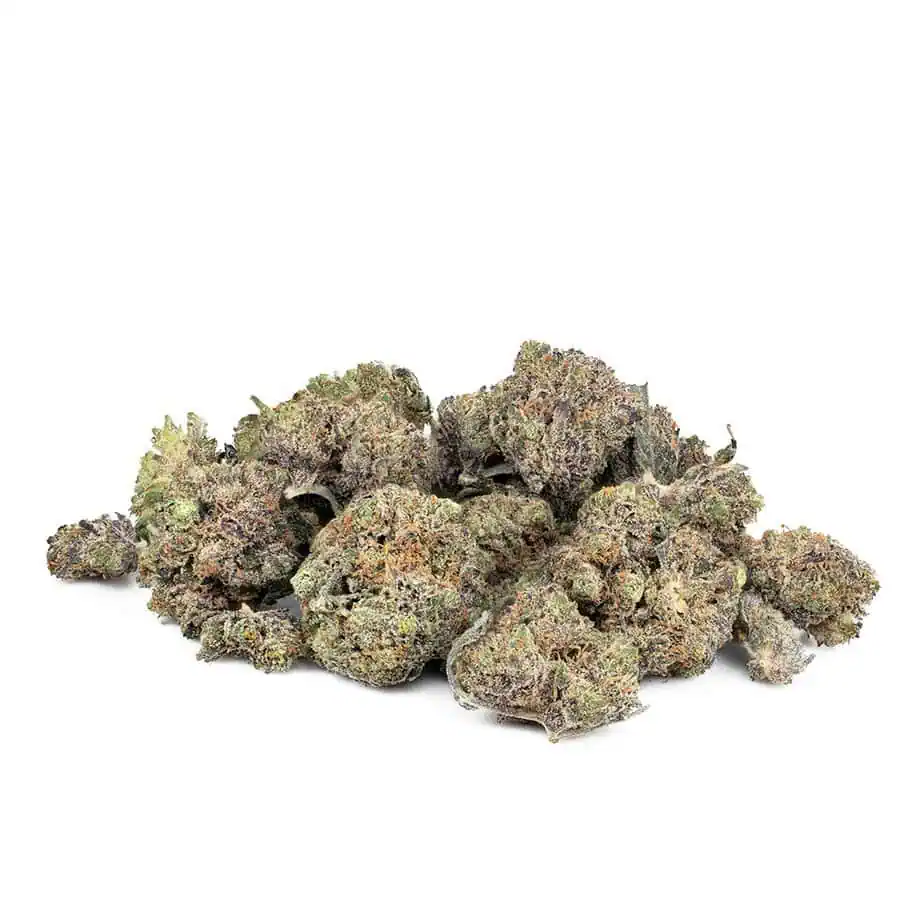
Greensociety curates a selection of cannabis flower sourced with quality and transparency in mind. The cannabis flower buying guide walks you through how to evaluate cultivation method, producer practices, and product attributes before committing to a purchase. For consumers who want to go further, the flower selection guide covers the specific quality signals that indicate responsible growing. Greensociety makes it straightforward to shop with both quality and conscience as your criteria.
Sustainability in the cannabis industry refers to cultivation and production practices that minimise environmental harm, including reducing energy use, conserving water, avoiding synthetic chemical runoff, and adopting regenerative soil management. Recognised frameworks like lifecycle assessment and the Cannabis Farm Assessment Protocol provide structured ways to measure and improve performance.
Indoor cannabis produces roughly 10 times the energy consumption per square foot of a typical office building, with lighting, HVAC, dehumidification, and CO2 supplementation accounting for 80% of emissions. Fossil-fuel-heavy electricity grids amplify that impact significantly.
Organic certification prohibits synthetic mineral salts and reduces nutrient runoff, but it does not address energy use, water consumption, or growing media waste. Truly sustainable production also requires renewable energy, water conservation, and low-waste soil systems like living soil reused across multiple harvests.
Look for outdoor or greenhouse cultivation, organic or regenerative certification, minimal recyclable packaging, and producers who publish energy or water use data. Greensociety’s eco-conscious packaging resource explains what those labels actually mean in practice.
Outdoor growing carries the lowest energy footprint, but lifecycle assessments show its sustainability hotspots lie in substrate management and water use. No cultivation method is universally superior. The most sustainable choice depends on the specific practices a producer uses within whichever system they operate.