Free Shipping
on orders over $150.00
$0.00
$150.00
Add $150.00 more for free shipping!


TL;DR:
- Medical cannabis includes various product forms like flower, tinctures, edibles, concentrates, and topicals, each with unique onset times and effects tailored to specific health conditions. Choosing products based on cannabinoid ratios instead of strain labels and starting with low doses improves treatment efficacy and safety. Effectiveness depends on matching the right form and cannabinoid profile to the patient’s condition, tolerance, and response, emphasizing the importance of informed selection and diligent tracking.
Medical cannabis refers to cannabis products prescribed or recommended for therapeutic purposes, categorised by product form and cannabinoid composition to match specific health conditions and patient tolerances. The types of medical cannabis available in Canada today span dried flower, tinctures, edibles, concentrates, and topicals, each with distinct onset times, durations, and dosing profiles. Choosing the wrong form or cannabinoid ratio is the most common reason patients abandon treatment before seeing results. This guide cuts through the confusion so you can make an informed, confident choice.

Understanding product form differences is the foundation of any effective treatment plan. Each form delivers cannabinoids differently, which changes how quickly you feel effects and how long they last.
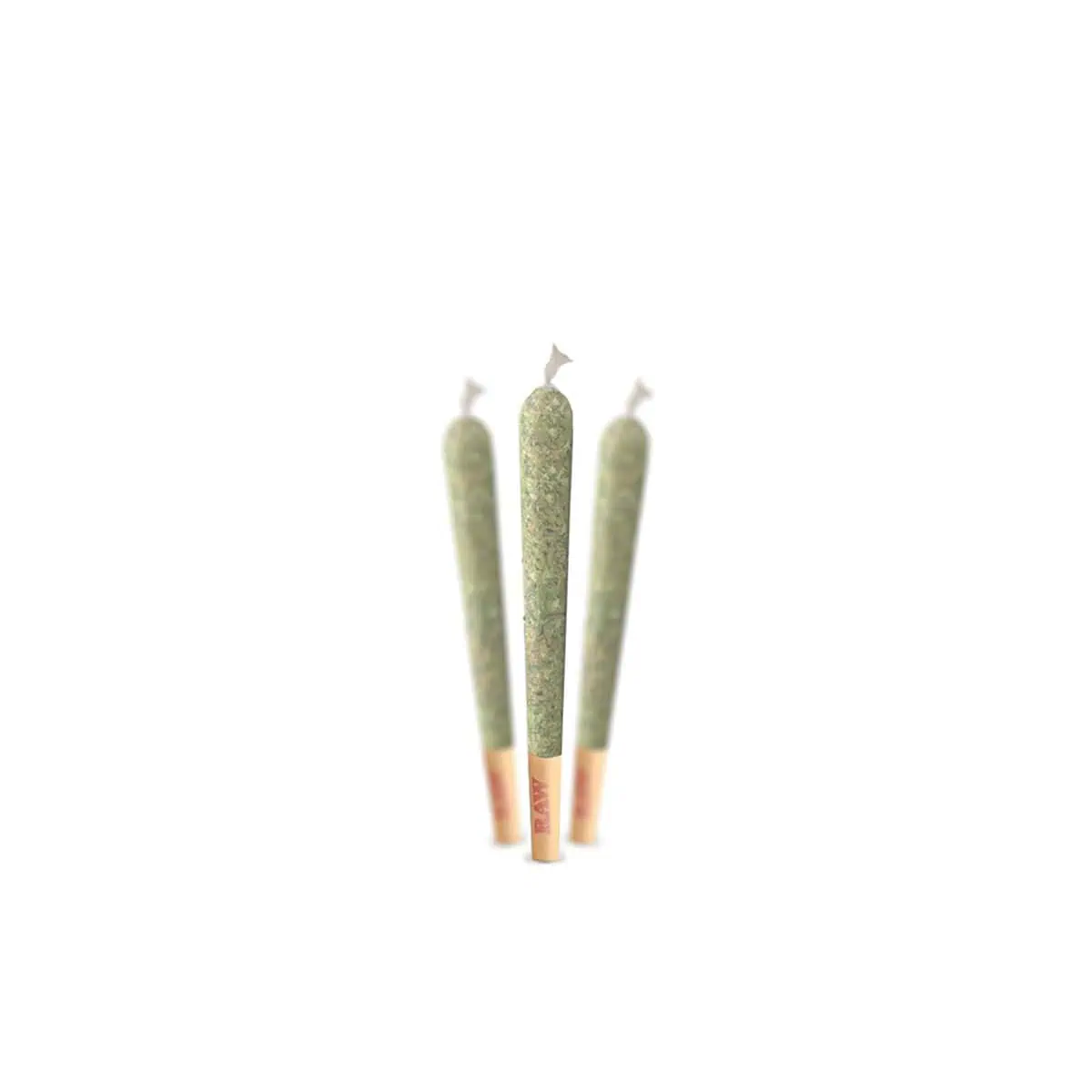
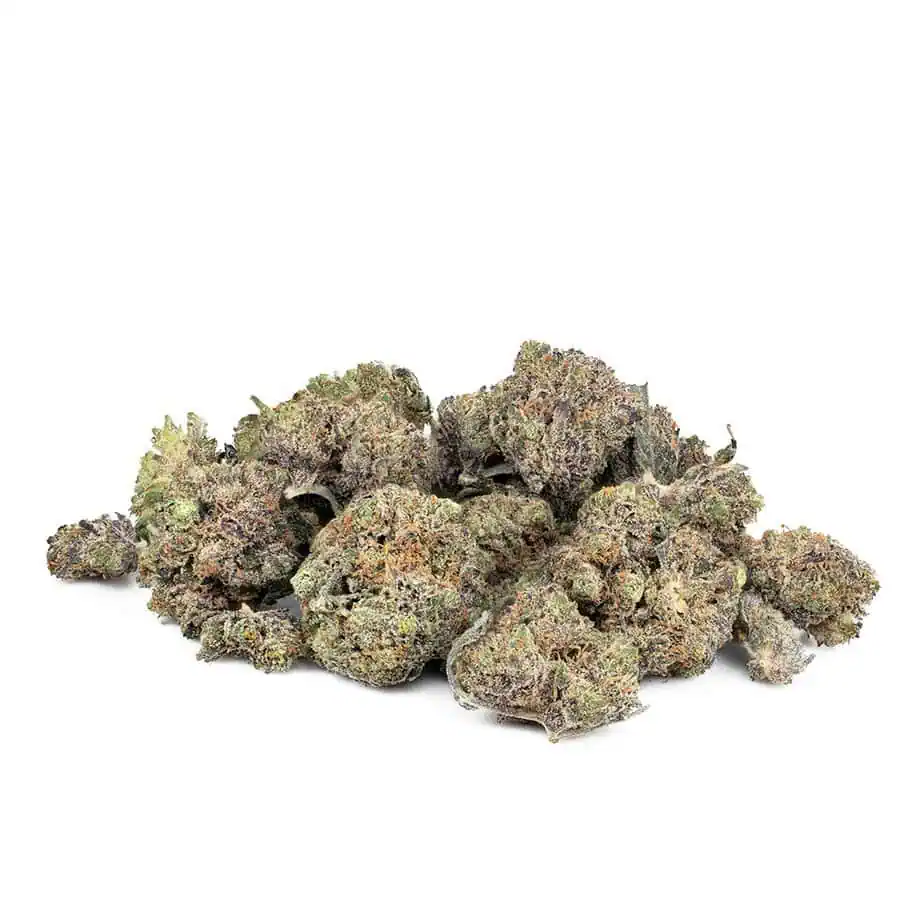
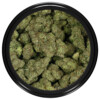
Dried cannabis flower is smoked or vaporised and delivers cannabinoids to the bloodstream through the lungs. Onset occurs within 3 to 10 minutes, making it the fastest-acting option for breakthrough symptoms like acute pain spikes or sudden nausea. Duration is typically one to three hours, which suits patients who need rapid, controllable relief without a prolonged effect. Vaporising flower at lower temperatures is generally preferred over smoking for medical use, as it reduces combustion byproducts.
Tinctures are liquid cannabis extracts administered under the tongue or swallowed. Sublingual absorption produces onset in 15 to 45 minutes, while swallowed tinctures behave more like edibles. They allow precise, measurable dosing by the millilitre, which makes them particularly well-suited to patients who are titrating their dose upward gradually. Many practitioners recommend tinctures as a starting point for new medical cannabis patients because of this dosing control.
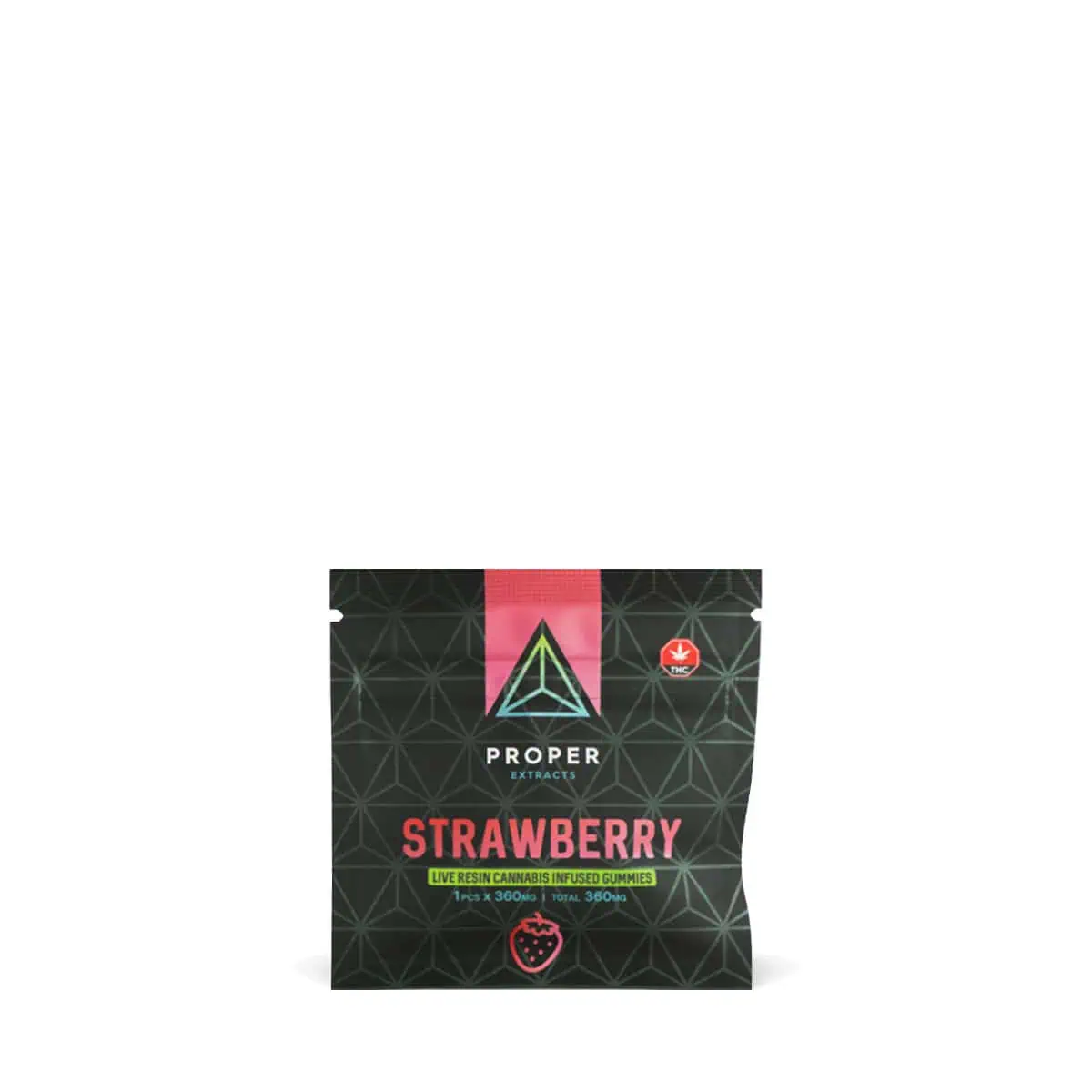
Cannabis-infused foods, beverages, and capsules are processed through the digestive system. Edibles take 30 to 120 minutes to take effect but sustain relief for four to eight hours, making them the preferred choice for chronic conditions requiring consistent symptom management. The delayed onset is the primary risk factor: patients who do not feel effects quickly often re-dose too soon and experience unintended intensity. A standard medical dose is typically 2.5 to 5 mg THC for new patients, well below the 10 mg per serving common in recreational products.
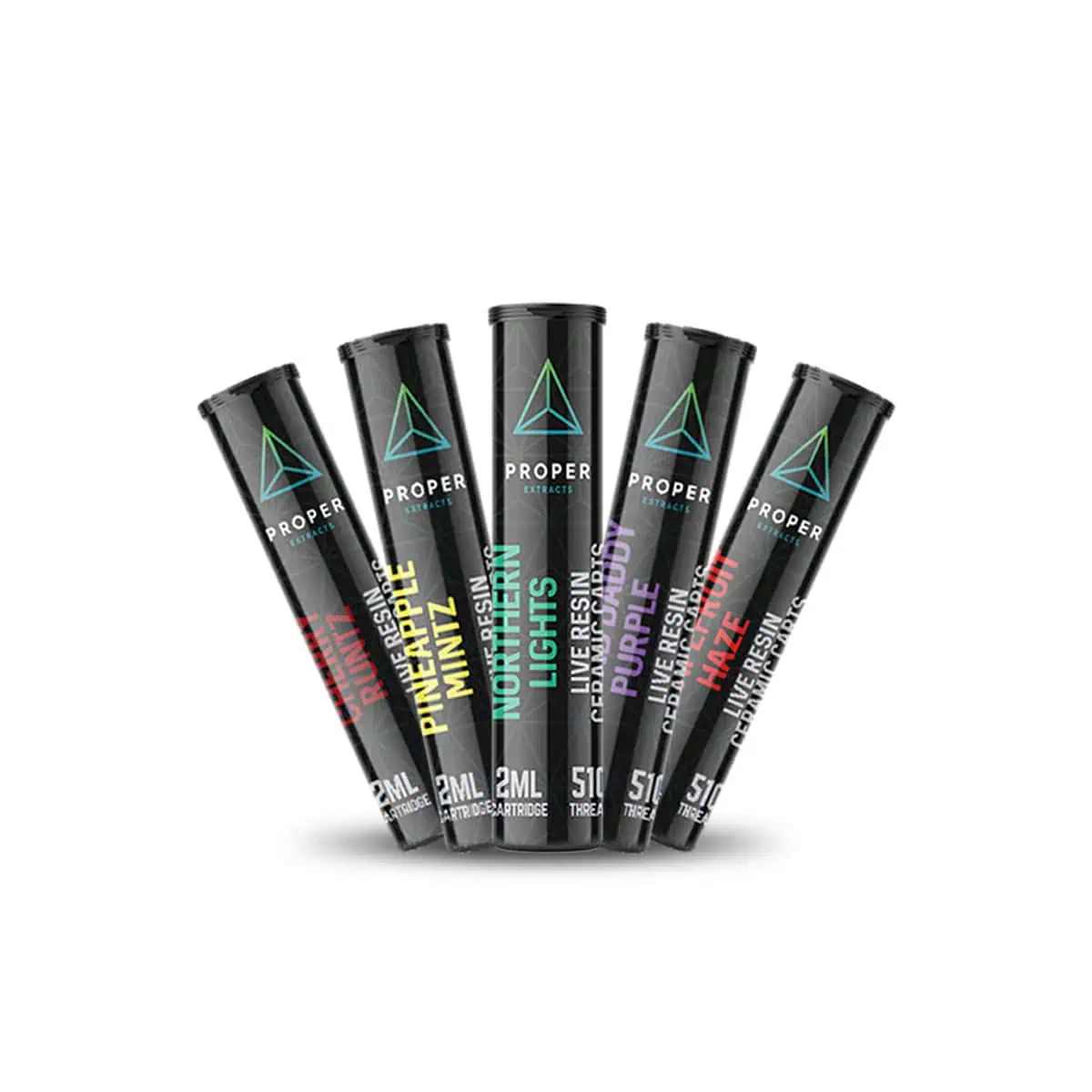
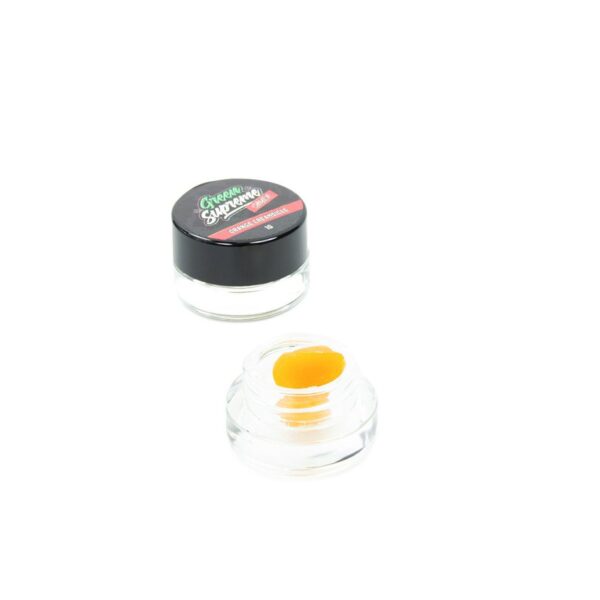
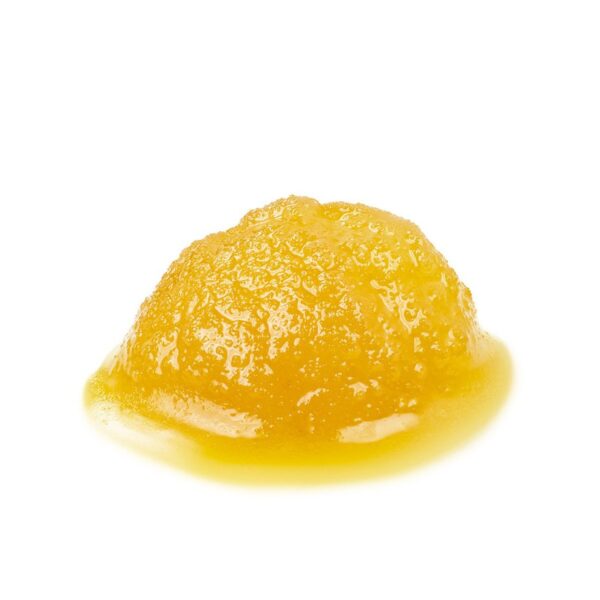
Concentrates include wax, shatter, live resin, and cannabis oils produced through extraction. They are significantly more potent than flower, with THC levels often exceeding 70%. Rapid onset and high cannabinoid delivery make them effective for patients with high tolerance or severe symptoms, but they carry a greater risk of adverse effects for those new to cannabis. Greensociety provides a detailed breakdown of concentrate types and uses for patients considering this route.
Topicals deliver cannabinoids locally through creams, balms, and transdermal patches applied directly to the skin. They do not produce systemic psychoactive effects, which makes them accessible to patients who need localised pain or inflammation relief without any cognitive impact. Topicals are particularly useful for arthritis, muscle soreness, and skin conditions. Transdermal patches differ from standard topicals in that they do penetrate the bloodstream, producing mild systemic effects.
Pro Tip: If you are new to medical cannabis, start with a tincture or low-dose edible rather than flower or concentrates. The measurable dosing and predictable onset reduce the risk of an uncomfortable first experience.
Patients should evaluate cannabis based on cannabinoid ratios rather than strain names, a principle now central to clinical prescribing guidelines in Canada and Australia. The ratio of CBD to THC determines both the therapeutic profile and the intoxication risk of any product.
The table below summarises the five primary cannabinoid categories used in clinical practice:
| Category | CBD content | THC content | Best suited for |
|---|---|---|---|
| 1 (CBD dominant) | ≥98% | Trace only | Anti-inflammatory, anxiety, avoiding intoxication |
| 2 (High CBD) | 60–98% | Low | Mild pain, sleep, low tolerance patients |
| 3 (Balanced) | 40–60% | Moderate | Broader symptom relief, moderate tolerance |
| 4 (High THC) | Low | High | Severe pain, nausea, experienced patients |
| 5 (THC dominant) | <2% | ≥98% | Advanced symptom management, high tolerance |
Category 1 products are the most widely recommended starting point for patients who want therapeutic benefits without intoxication. CBD and CBDa, the non-intoxicating cannabinoids found in these products, show measurable benefit for fibromyalgia and arthritis without cognitive impairment. This makes them accessible to patients who drive, work, or have responsibilities that require mental clarity.
Balanced Category 3 products introduce enough THC to address symptoms that CBD alone does not fully resolve, such as moderate-to-severe chronic pain or significant sleep disruption. Higher-category products are reserved for patients who have already established tolerance and are working with a healthcare provider to manage dosing.
Pro Tip: Ask your dispensary or healthcare provider for the Certificate of Analysis for any product you purchase. This document confirms the exact cannabinoid percentages and ensures the label matches what is in the product.
The traditional Indica and Sativa classification system is outdated and unreliable for predicting therapeutic effects. Nearly all commercial cannabis products today are hybrids, and the genetic distinction between Indica and Sativa has been blurred through decades of crossbreeding. Relying on these labels to choose a medical product is like choosing a medication based on the colour of its packaging.
What actually determines how a cannabis product affects you is its cannabinoid ratio and terpene profile. Terpenes are the aromatic compounds in cannabis that modulate how cannabinoids interact with your body’s endocannabinoid system. Terpene profiles and the entourage effect are often better indicators of medical efficacy than THC potency alone. For example, myrcene is associated with sedation and muscle relaxation, while limonene is linked to mood elevation and stress relief.
When selecting a medical cannabis product, focus on these factors instead of strain names:
Greensociety’s strain selection guide walks through this process in practical terms, helping you move beyond strain labels toward chemistry-based choices.
Different cannabis types for health management are not interchangeable. The right product depends on your condition, symptom pattern, and personal tolerance.
Chronic pain responds well to tinctures and edibles because their longer duration reduces the need for repeated dosing throughout the day. For patients with arthritis specifically, CBD-dominant topicals applied directly to affected joints provide localised relief without systemic effects. Greensociety’s guide on cannabis for arthritis covers the evidence behind these approaches in detail.
Anxiety is one condition where product choice is particularly consequential. High-THC products can worsen anxiety in sensitive individuals, especially at higher doses. CBD-dominant or balanced products with low THC are the safer starting point. The CBD vs THC comparison for pain and anxiety is worth reviewing before committing to a product.
Nausea and acute symptom flares are best addressed with inhaled forms. Vaporised flower or concentrate delivers relief within minutes, which is critical when symptoms are sudden and severe. Oral routes are too slow for these situations.
Sleep disorders often respond to balanced or THC-leaning products taken as edibles or capsules 60 to 90 minutes before bed. The extended duration aligns with a full sleep cycle, reducing mid-night waking.
The table below summarises condition-specific recommendations:
| Condition | Recommended form | Cannabinoid category |
|---|---|---|
| Chronic pain | Edibles, tinctures, topicals | Category 2 to 4 |
| Anxiety | Tinctures, CBD oils | Category 1 to 2 |
| Acute nausea or pain spikes | Vaporised flower or concentrate | Category 3 to 5 |
| Sleep disruption | Edibles, capsules | Category 3 to 4 |
| Localised inflammation | Topicals | Category 1 to 2 |
Patient age, existing medications, and comorbidities all influence which product is appropriate. A 65-year-old patient managing arthritis and taking blood thinners requires a very different approach than a 35-year-old managing work-related anxiety. Always disclose your full medication list to your prescribing physician before starting any cannabis therapy.
Effective medical cannabis treatment depends on matching the right product form and cannabinoid ratio to your specific condition and tolerance level.
| Point | Details |
|---|---|
| Form determines onset and duration | Inhaled forms act within minutes; edibles last four to eight hours for sustained relief. |
| Cannabinoid ratio matters most | CBD-to-THC ratio, not strain name, predicts therapeutic effect and intoxication risk. |
| Strain labels are unreliable | Most products are hybrids; terpene and cannabinoid profiles are more accurate guides. |
| Condition-specific matching improves outcomes | Chronic pain suits edibles; acute symptoms suit inhalation; anxiety suits CBD-dominant products. |
| Start low and track your response | Gradual titration with a symptom journal is the most reliable path to finding your optimal dose. |
The single biggest mistake I see is patients choosing a product based on what worked for someone else. Medical cannabis is not one-size-fits-all. Two people with identical diagnoses can have completely opposite responses to the same product, and that is not a failure of the product. It is a reflection of how individual endocannabinoid systems are.
The start low, go slow approach is not just cautious advice. It is the only reliable method for finding what actually works for you. Patients who rush the process, especially with edibles, tend to have one bad experience and abandon a therapy that could genuinely help them. Patience in the first four to six weeks is not optional.
Keeping a usage and symptom journal is the tool most patients skip and most practitioners wish they would not. Tracking dose, product, time of day, symptoms before and after, and sleep quality gives you real data to work with. Without it, you are guessing. With it, you can identify patterns within two to three weeks that would otherwise take months to recognise.
The research gap is real too. Though cannabis has been federally reclassified in the United States, standardised formulations and delivery methods are still catching up with clinical demand. This means patients need to be their own advocates, asking for lab-tested products and working with providers who understand cannabinoid medicine rather than simply tolerating it.
My honest recommendation: spend as much time learning about the product you are considering as you would any other medication. The patients who do that consistently get better results.
— Juiced
Greensociety offers one of Canada’s most thorough collections of medical cannabis resources alongside a curated product selection built for patients, not just recreational users. Whether you are just starting out or refining an existing routine, the guides on selecting cannabis flower and choosing edibles safely give you the product-specific knowledge to shop with confidence. For patients managing fibromyalgia or chronic pain, the fibromyalgia relief guide covers cannabinoid options backed by current research. Every product on Greensociety is sourced from verified Canadian suppliers, with lab testing information available so you know exactly what you are getting before it arrives at your door.
The five main types are flower, tinctures, edibles, concentrates, and topicals. Each differs in onset time, duration, and method of delivery, making them suited to different conditions and patient needs.
Chronic pain is best managed with edibles or tinctures for sustained relief, while acute pain spikes respond faster to vaporised flower or concentrate. Topicals work well for localised joint or muscle pain without causing any psychoactive effects.
Neither is universally better. CBD-dominant products suit patients who need therapeutic effects without intoxication, while THC-containing products address more severe symptoms like significant pain or sleep disruption. The right ratio depends on your condition and tolerance.
No. The Indica and Sativa classification system is outdated for medical selection. Most products are hybrids, and cannabinoid ratios alongside terpene profiles are far more reliable predictors of therapeutic effect.
Onset time depends on the form. Inhaled cannabis acts within 3 to 10 minutes, tinctures within 15 to 45 minutes, and edibles between 30 and 120 minutes. Always wait the full onset window before considering a second dose.