Cannabis THC levels have risen from 1% to over 20% in just six decades, fundamentally transforming how products affect users and introducing new risks. This dramatic shift leaves many consumers confused about what potency means and why it matters for safe, satisfying use. This guide clarifies cannabis potency, explains its impacts on health and experience, debunks common myths, and helps you choose wisely based on your goals and tolerance.
Table of Contents
Key takeaways
| Point |
Details |
| Potency measures THC concentration |
Higher THC percentage means stronger psychoactive effects and altered experiences. |
| Increased health risks with high potency |
Products above 15% THC triple psychosis risk and raise addiction likelihood significantly. |
| Potency doesn’t equal quality or safety |
Higher THC percentage doesn’t guarantee better experiences or reduced harm. |
| THC:CBD ratios shape effects |
Balanced cannabinoid ratios can moderate intoxication and anxiety compared to THC-only products. |
| Choose potency based on experience and goals |
Beginners should start low, experienced users can select moderate to high based on tolerance. |
Understanding cannabis potency: definitions and trends
Cannabis potency primarily refers to the concentration of tetrahydrocannabinol (THC), the main psychoactive compound responsible for the characteristic high. THC concentration has dramatically increased from roughly 1% in the 1960s to frequently over 20-30% in today’s flower products, with concentrates reaching 90% or higher. This represents a fundamental transformation in the cannabis market and consumer experience.
Modern legal cannabis products typically contain 18-23% THC for flower, with concentrates averaging 60% and some reaching 90%, reflecting a five to tenfold increase compared to 1970s cannabis potency. These dramatic changes mean consumers face far more potent products than previous generations, requiring greater awareness and caution.
Understanding potency requires looking beyond simple THC percentages. The THC:CBD ratio significantly influences acute intoxication and therapeutic potential, with many recreational products having ratios that enhance THC’s psychoactive effects. Ratios above 1:1 tend to produce stronger intoxicating experiences, whilst balanced ratios can moderate these effects.
Different product types deliver varying potency experiences:
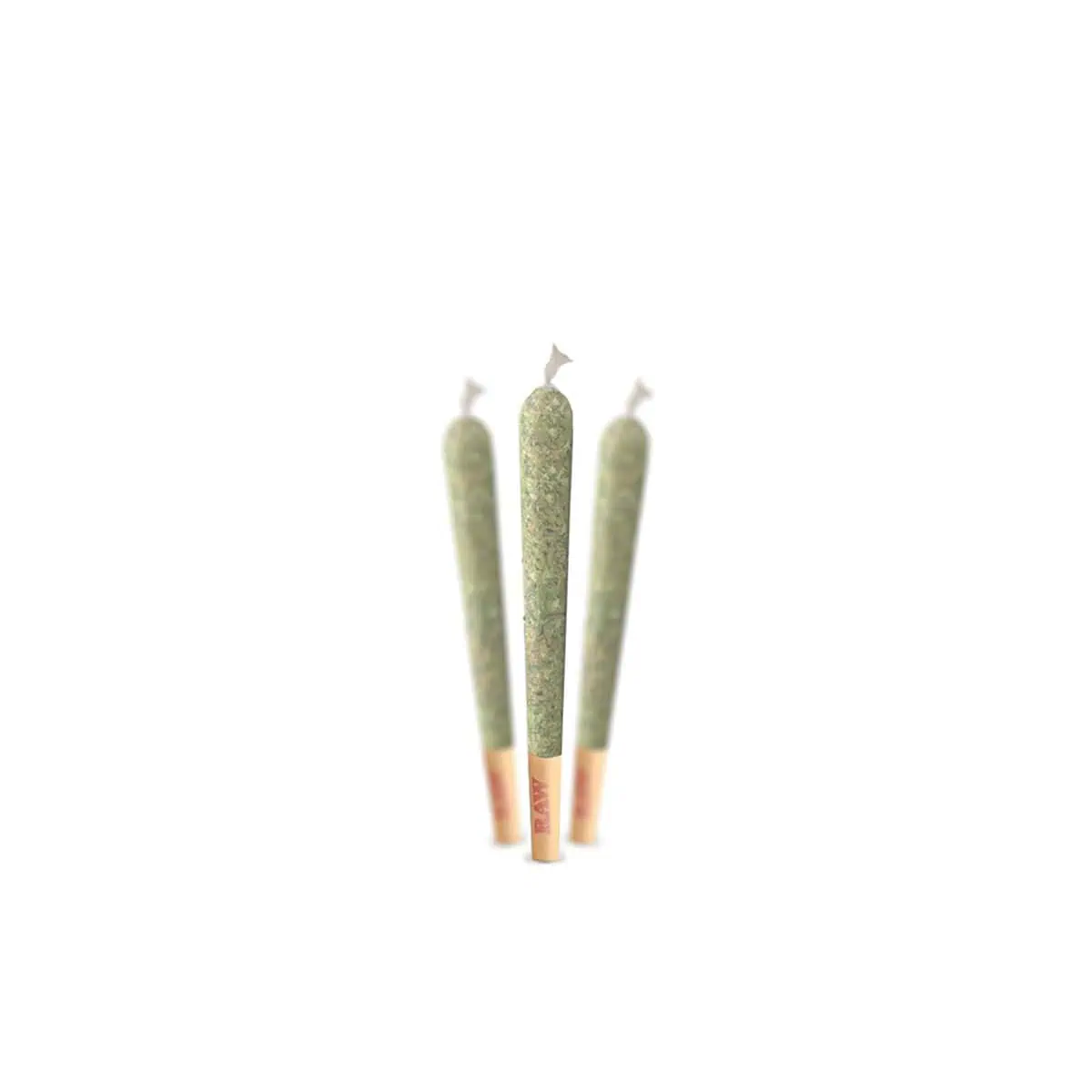
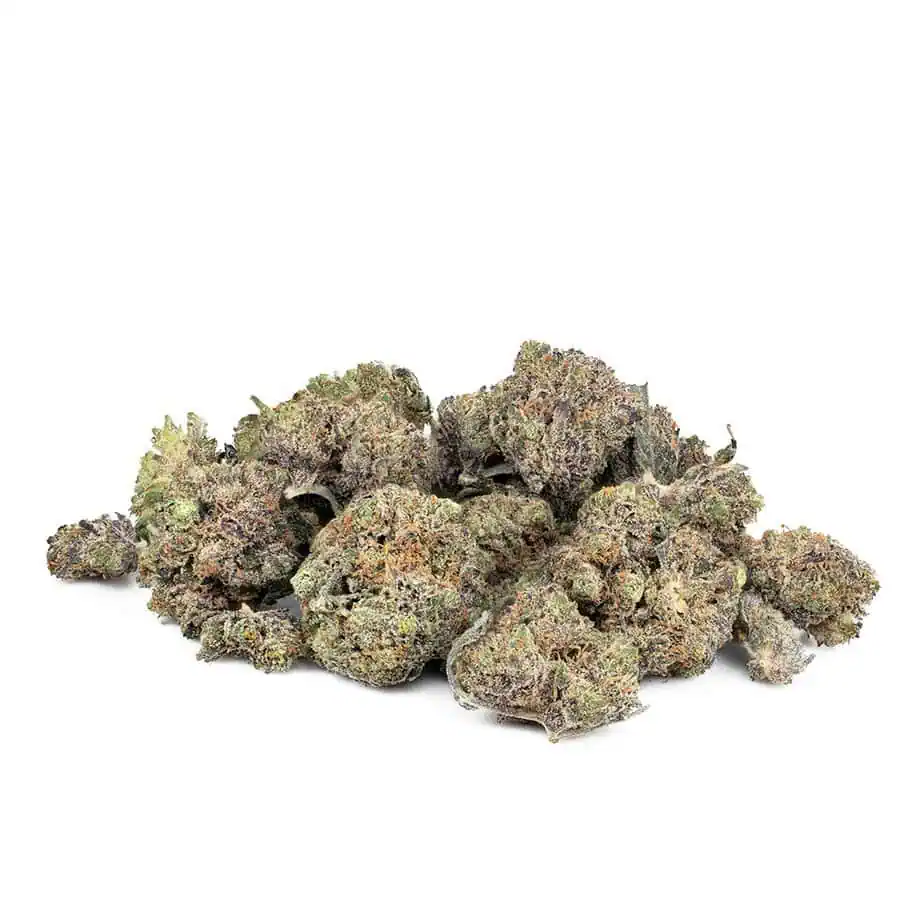
- Flower: Dried cannabis buds typically range from 15-30% THC in legal markets
- Concentrates: Extracts like shatter, wax, and oils contain 60-90%+ THC
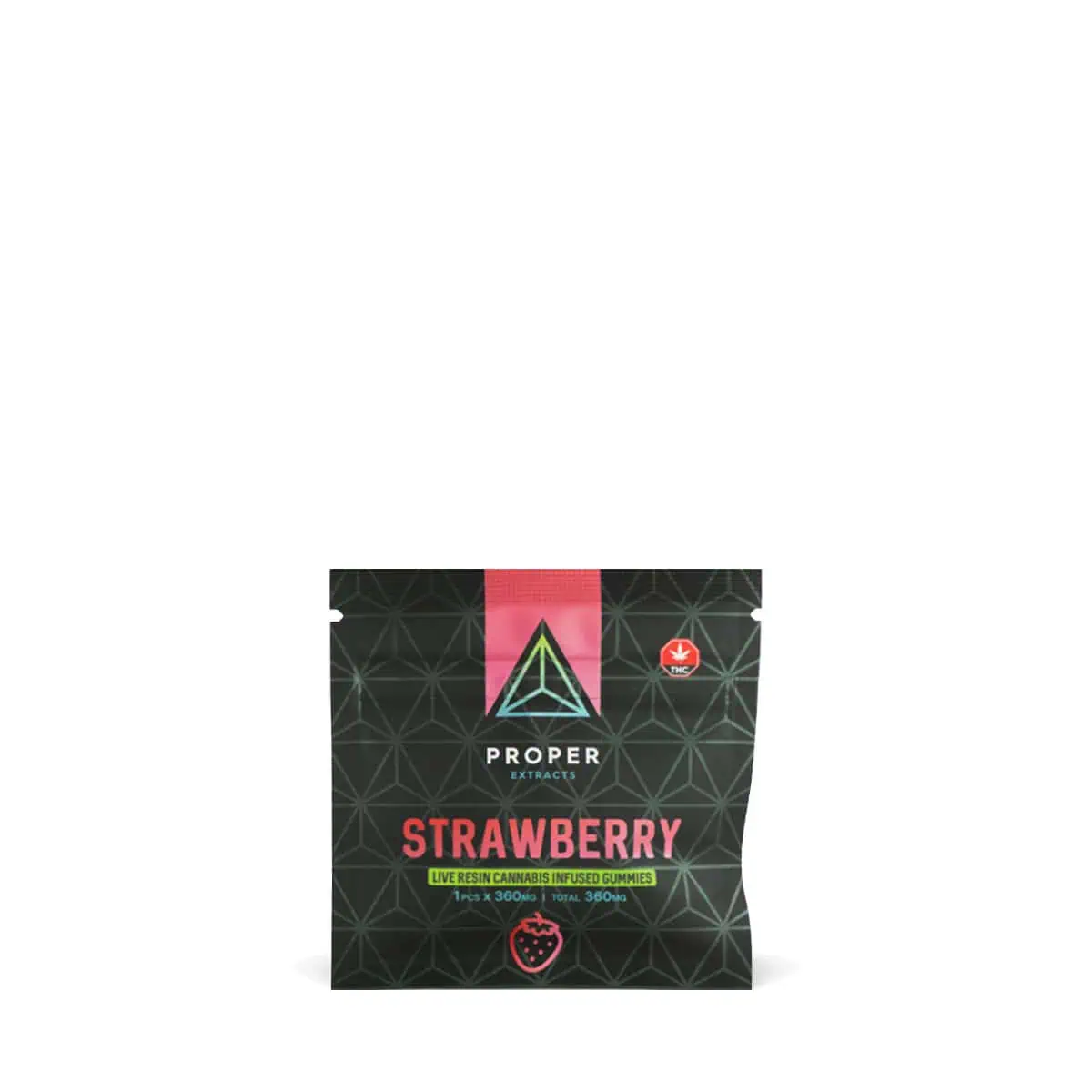
- Edibles: Measured in milligrams of THC per serving, with delayed but prolonged effects
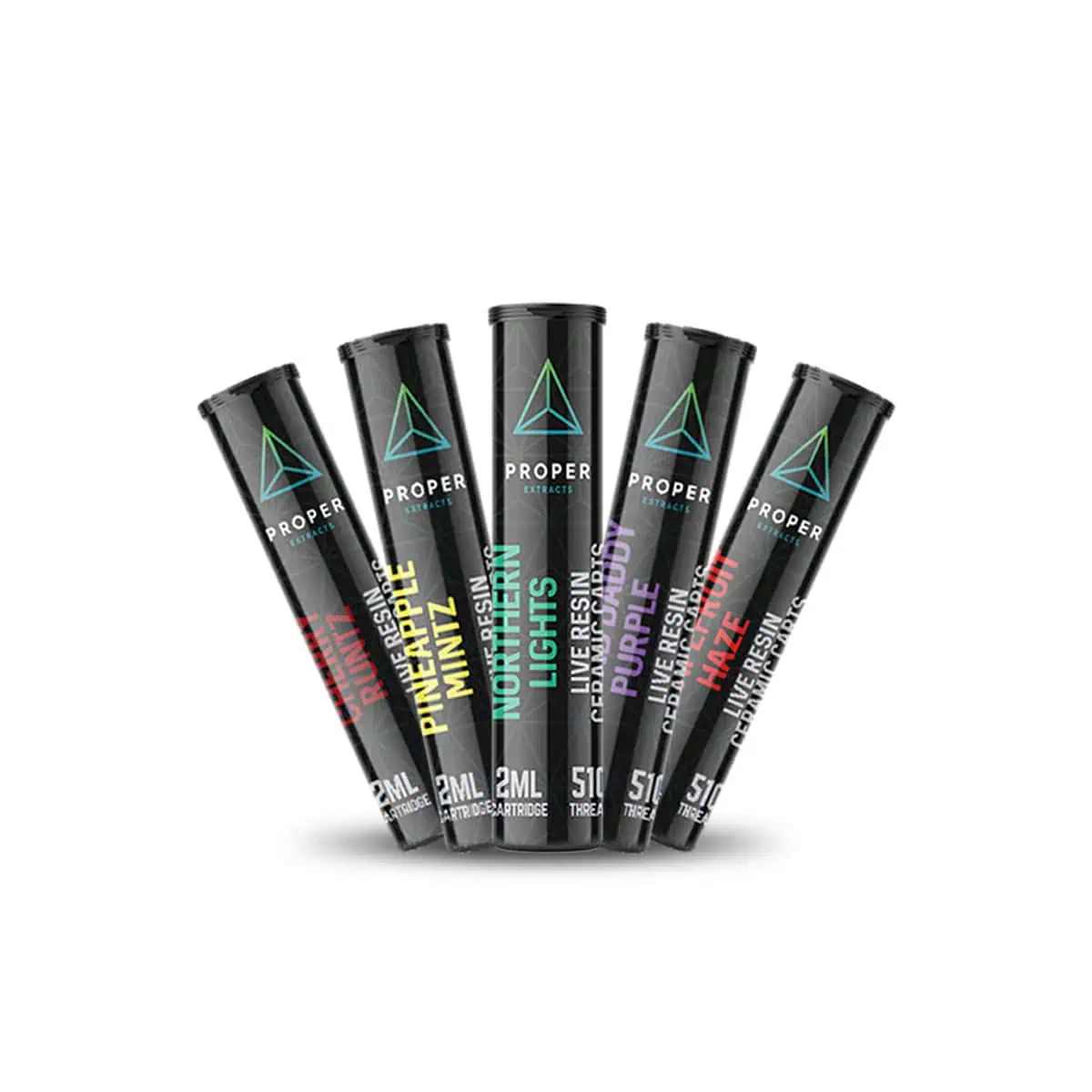
- Vape products: Concentrated oils similar to other cannabis concentrates in potency
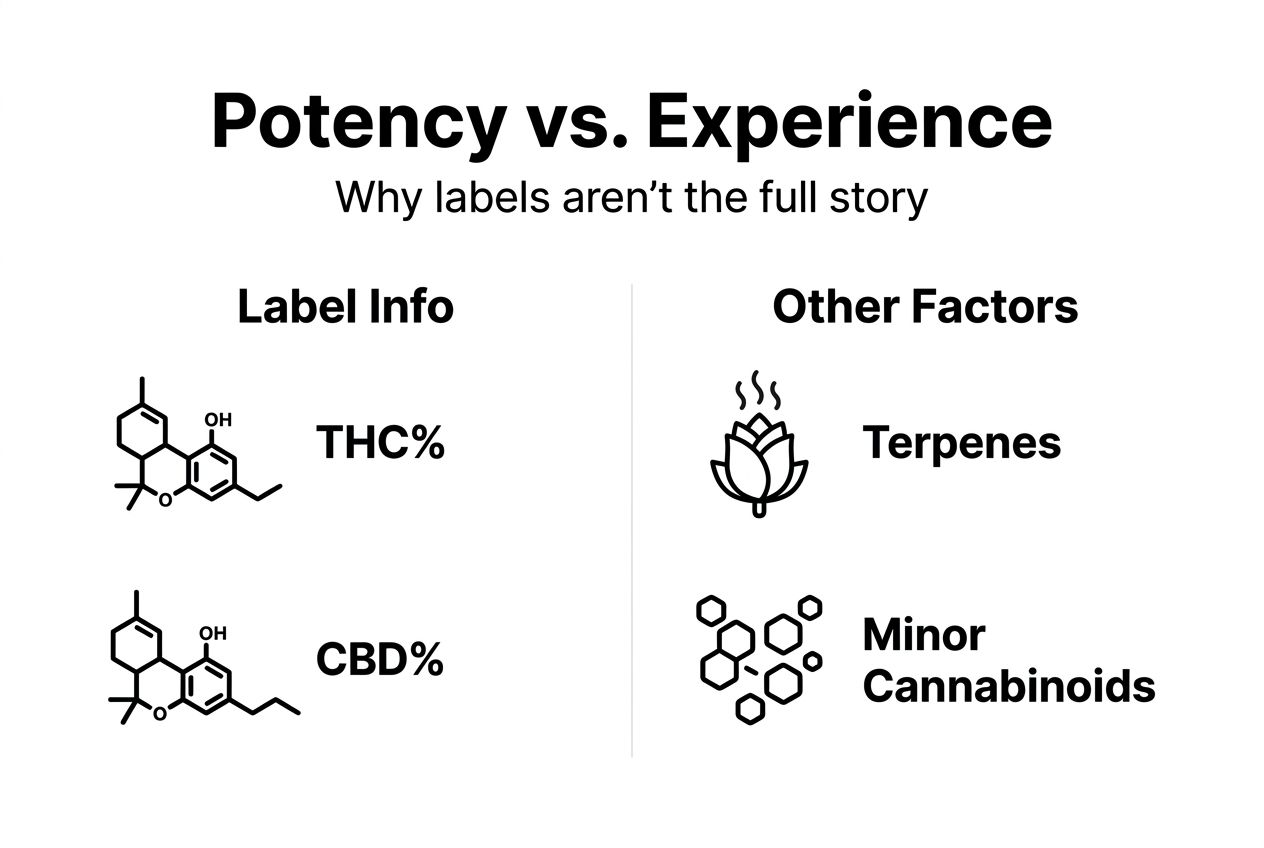
Product labels show THC percentage, but this number alone doesn’t tell the full story. The presence of CBD, other cannabinoids, and terpenes all influence the actual experience. Cannabis concentrates require special attention to potency given their extreme THC levels.
Pro tip: Always check both the product type and THC:CBD ratio information on labels for a fuller picture of potency, not just the headline THC percentage.
Health risks associated with high potency cannabis
Scientific research has documented significant mental and physical health risks linked to consuming high THC potency cannabis products. Understanding these risks helps consumers make informed decisions about product selection and use patterns.
Higher THC concentrations increase risk of adverse mental health outcomes including cannabis use disorder, psychosis, anxiety, and cannabinoid hyperemesis syndrome. The relationship between potency and harm isn’t linear, but dose-dependent patterns emerge clearly from research.

Mental health impacts represent the most concerning category of risks. The risk of cannabis dependence increases dose-dependently with higher THC potency and frequency of use, with nearly 45% of youth who use THC developing problematic use patterns. Daily users of high potency products face five times greater likelihood of developing severe mental illness compared to non-users.
Higher THC proportion significantly associates with increased dependence and anxiety symptoms, particularly in men with history of trauma exposure. This suggests individual vulnerabilities interact with potency to shape risk profiles.
Physical health consequences also escalate with potency. Higher potency cannabis use correlates dose-dependently with more frequent emergency room visits, hospitalisations, and cases of cannabinoid hyperemesis syndrome, indicating increased acute medical risks.
Key health risks associated with high potency cannabis:
- Psychosis: Products over 15% THC triple the risk compared to lower potency options
- Addiction and dependence: Nearly half of young THC users develop problematic use patterns
- Anxiety disorders: Higher potency correlates with increased anxiety symptoms, especially with trauma history
- Cannabinoid hyperemesis syndrome: Severe cyclic vomiting condition linked to high potency, frequent use
- Emergency medical events: Hospital visits and acute incidents rise with potency levels
Products containing over 15% THC triple the risk of developing psychosis compared to lower potency alternatives, with daily users facing five times greater likelihood of severe mental illness.
These risks don’t mean all high potency use leads to harm, but they underscore why understanding THC percentages matters for making safer choices aligned with your health profile and risk tolerance.
Common misconceptions about cannabis potency
Several widespread but inaccurate beliefs about cannabis potency create confusion and potentially dangerous misunderstandings amongst consumers. Clarifying these myths helps establish realistic expectations.
The most persistent misconception holds that higher THC automatically means better quality or a safer product. Consumers often mistakenly believe that higher THC potency always means better quality or a safer experience, but increased potency actually raises risks and adverse effects. Potency measures strength, not purity, safety, or overall quality.
Quality depends on cultivation practices, proper curing, absence of contaminants, and balanced cannabinoid profiles. A well-grown, properly cured flower at 18% THC can provide a superior experience to a poorly cultivated 28% THC product. Safety considerations extend far beyond potency numbers.
Another common error assumes all high THC products cause equal harm regardless of use patterns or individual factors. Whilst higher potency increases risk, individual response varies based on tolerance, frequency of use, consumption method, genetic factors, and mental health history. A daily user of 25% THC flower faces different risks than someone using the same product occasionally.
Many consumers underestimate CBD’s role in modulating effects. CBD doesn’t simply reduce potency; it alters the character of THC’s effects, potentially reducing anxiety and moderating intoxication. Products with balanced THC:CBD ratios produce qualitatively different experiences than THC-dominant options at the same total cannabinoid percentage.
Some believe potency labels based on THC percentage alone fully reflect the psychoactive experience they’ll encounter. Labels provide useful baseline information but don’t capture the entourage effect, terpene contributions, or individual response variations that significantly shape actual experiences.
Major misconceptions about cannabis potency:
- Higher THC equals better quality: False; quality depends on cultivation, curing, and overall cannabinoid profile
- All high potency products equally harmful: Individual response, use patterns, and context significantly influence actual risk
- CBD content doesn’t matter: CBD substantially modulates THC effects and reduces certain adverse reactions
- Labels tell the complete story: THC percentage alone doesn’t predict full psychoactive experience or effects
- Potency determines addiction risk entirely: Whilst higher potency increases risk, addiction involves multiple genetic, psychological, and social factors
Understanding these nuances helps consumers move beyond simplistic thinking about potency numbers toward more sophisticated, personalised decision making.
Limitations of potency measurements and the entourage effect
Standard potency measurements focus primarily on THC and CBD percentages, but this simplified approach misses crucial aspects of how cannabis actually affects users. Understanding these limitations reveals why potency labels don’t tell the complete story.
Cannabis contains over a dozen cannabinoids beyond THC and CBD, including CBG, CBN, THCV, and others, each contributing unique effects. The entourage effect describes how cannabinoids and terpenes interact synergistically to modify potency and experience beyond what THC percentage alone would predict. A 20% THC product rich in myrcene produces different effects than a 20% THC product high in limonene.
Standard tests based on THC percentage may not fully capture the complex interaction of cannabinoids that affect true potency and therapeutic impact, highlighting the limits of current potency measures. This gap between lab numbers and lived experience frustrates many consumers seeking predictable effects.
Terpenes, the aromatic compounds giving cannabis its distinctive scents, don’t just provide flavour. They modulate cannabinoid activity, influence absorption rates, and contribute their own therapeutic properties. Pinene may enhance alertness whilst linalool promotes relaxation, even in products with identical THC levels.
Current testing standards and label requirements vary by jurisdiction, with some mandating comprehensive cannabinoid panels whilst others only require THC and CBD disclosure. This inconsistency makes comparing products across sources challenging. Even within consistent testing protocols, natural variation between batches means the numbers represent estimates, not exact measurements.
Limitations of standard potency measures:
- Focuses only on THC/CBD: Ignores 10+ other active cannabinoids influencing effects
- Omits terpene profiles: Terpenes significantly alter experience but often aren’t tested or reported
- Doesn’t capture entourage effect: Synergistic interactions between compounds remain unmeasured
- Batch variation: Natural variation means labels represent averages, not exact compositions
- Incomplete experience prediction: Numbers don’t account for consumption method, individual metabolism, or tolerance
Consumers should view potency labels as useful starting points rather than complete information. Products with broader cannabinoid testing and detailed terpene profiles provide more insight into likely effects. Hash products particularly benefit from understanding how multiple compounds interact beyond simple THC numbers.
Pro tip: Look for products with comprehensive cannabinoid and terpene testing results, and seek balanced profiles rather than just the highest THC percentage for more nuanced, predictable effects.
Choosing the right potency: a consumer guide
Selecting appropriate cannabis potency requires balancing your experience level, health considerations, desired effects, and tolerance. These practical steps help you make informed choices aligned with your individual needs.
Novice users should start with low potency products containing less than 10% THC to avoid overwhelming adverse effects and build tolerance safely. Even experienced consumers trying new product types benefit from starting conservatively. Your first edible experience should involve far lower doses than your typical flower consumption, given different absorption and duration profiles.
Experienced users can select moderate to higher potency flower in the 20-30% THC range or moderate concentrates around 60% THC based on established tolerance. However, higher isn’t always better; many seasoned consumers prefer moderate potency products that allow for functional use throughout the day without excessive impairment.
Consider THC:CBD ratios carefully to moderate effects and reduce anxiety risk. Balanced ratios like 1:1 or 2:1 (THC:CBD) can provide therapeutic benefits whilst minimising intoxication. Products with some CBD content tend to produce smoother, more manageable experiences than pure THC options.
Practical steps for choosing appropriate potency:
- Assess your experience level honestly: Novice, occasional, regular, or experienced user categories guide starting points
- Start low with new products or methods: Begin 50% below your usual potency when trying new formats
- Read labels carefully: Check THC percentage, CBD content, serving sizes, and total cannabinoid profiles
- Consider your health status: Mental health history, medications, and conditions influence appropriate potency
- Define your goals: Recreational relaxation, sleep aid, pain relief, or social use suggest different optimal potencies
- Increase incrementally: Adjust potency gradually over time rather than making large jumps
- Monitor your response: Track how different potencies affect you to identify your personal sweet spot
Understanding proper cannabis dosing complements potency selection for optimal results. Lower potency products allow for more precise dose control, whilst high potency options require careful measurement to avoid overconsumption.
Educating yourself on reading lab results for cannabis products empowers better decision making. Look beyond headline THC numbers to cannabinoid ratios, terpene content, and contaminant testing results. Comprehensive cannabis dosage guidance helps translate potency information into practical consumption amounts.
Pro tip: Keep a simple consumption journal tracking product potency, amount consumed, effects experienced, and duration to identify patterns and optimise your personal potency preferences over time.
Explore cannabis products with confidence
Navigating today’s diverse cannabis market becomes simpler when you understand potency and apply that knowledge to product selection. Green Society offers detailed resources to support informed purchasing decisions aligned with your experience level and goals.
Our comprehensive guides help you move from understanding potency concepts to practical application. The cannabis flower checklist walks through essential evaluation steps, whilst our THC percentages guide deepens your knowledge of what those numbers truly mean for your experience.
Whether you’re selecting your first product or refining your preferences as an experienced user, combining potency awareness with proper dosing guidance creates the foundation for safe, satisfying cannabis use. Explore our educational resources to build confidence in your choices and discover products matched to your individual needs.
Frequently asked questions
What is cannabis potency and how is it measured?
Cannabis potency refers to the concentration of active cannabinoids, primarily THC, expressed as a percentage of total product weight. Labs measure potency through chemical analysis of flower, concentrate, or edible samples, testing for THC, CBD, and sometimes additional cannabinoids. The resulting percentage tells you how much of the product consists of these active compounds, with higher percentages indicating stronger psychoactive effects.
How does THC potency affect cannabis experience and risks?
Higher THC potency increases both the intensity of psychoactive effects and the likelihood of adverse reactions like anxiety, paranoia, and impaired cognition. Products above 15% THC triple psychosis risk compared to lower potency options, whilst dependence risk rises dose-dependently with potency and frequency. Choosing appropriate potency for your tolerance helps balance desired effects with safety considerations.
Can I rely on potency labels to understand cannabis effects?
Potency labels provide useful baseline information but don’t capture the complete picture of how products will affect you. Labels typically show only THC and CBD percentages, missing other cannabinoids, terpenes, and the entourage effect that substantially influence actual experiences. Individual factors like tolerance, metabolism, consumption method, and even your mood also shape effects beyond what potency numbers predict.
How do I choose the right cannabis potency for me?
Start with low potency products under 10% THC if you’re new to cannabis, then increase gradually based on your response and tolerance development. Consider your health history, especially mental health conditions, when selecting potency levels. Match potency to your goals, whether recreational relaxation or therapeutic use, and always read labels carefully to understand both THC content and THC:CBD ratios before purchasing.
Does higher potency cannabis always mean better quality?
No, potency measures strength rather than quality, safety, or overall experience value. A well-cultivated, properly cured flower at moderate potency often provides superior effects to a poorly grown high potency product. Quality depends on cultivation practices, terpene profiles, absence of contaminants, and balanced cannabinoid ratios, not simply the highest possible THC percentage.
What role does CBD play in cannabis potency?
CBD doesn’t reduce overall potency but significantly modulates how THC affects you, potentially decreasing anxiety, paranoia, and excessive intoxication whilst maintaining therapeutic benefits. Products with balanced THC:CBD ratios produce qualitatively different, often more manageable experiences than THC-only options at similar total cannabinoid percentages. CBD content deserves equal consideration to THC when evaluating potency for your needs.
Recommended

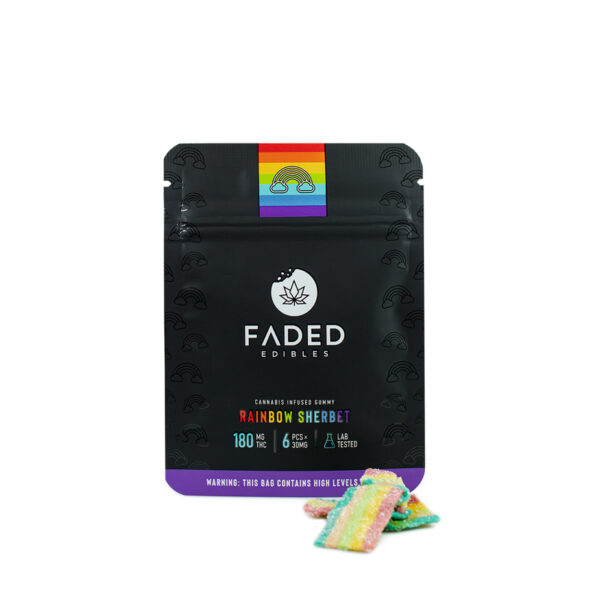 Faded Cannabis Co. Rainbow Sherbet Belts
$14.00
Faded Cannabis Co. Rainbow Sherbet Belts
$14.00 Faded Cannabis Co. Strawberry Daze Gummies
$14.00
Faded Cannabis Co. Strawberry Daze Gummies
$14.00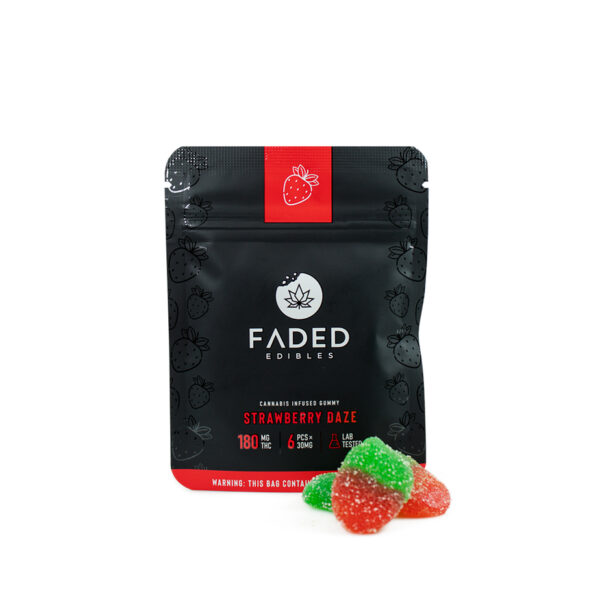 Faded Cannabis Co. Strawberry Daze Gummies
 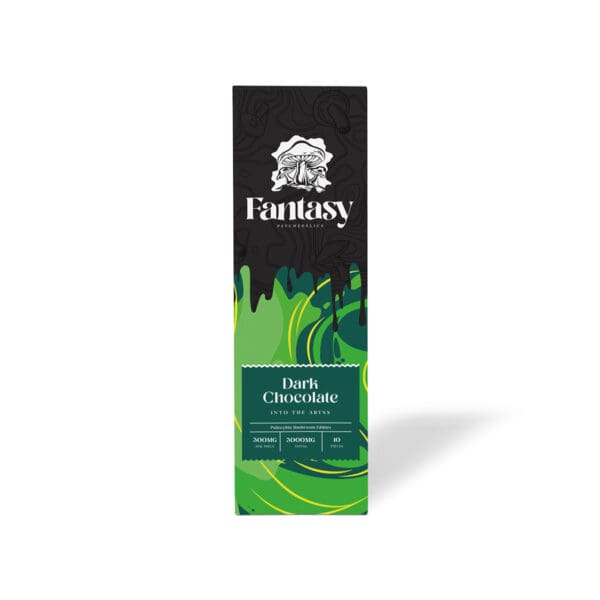 Fantasy Dark Chocolate Bar
 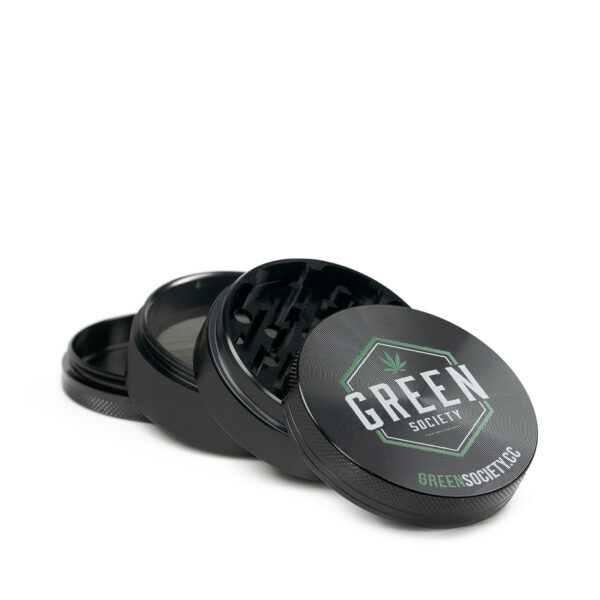 Green Society Herb Grinder
 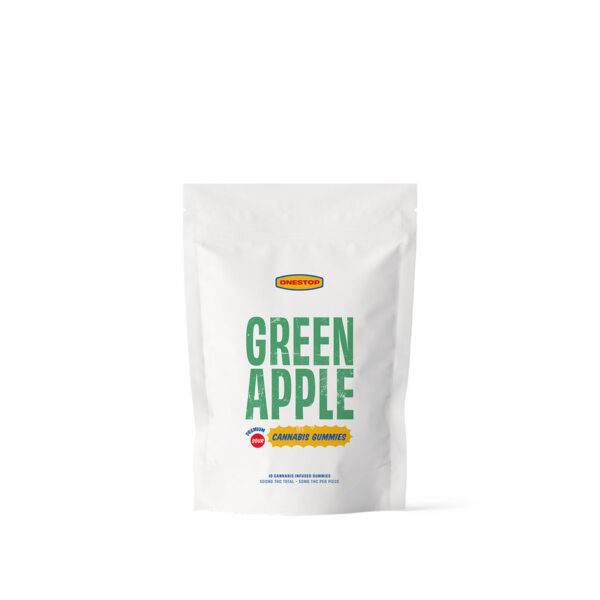 OneStop Green Apple THC Gummies
 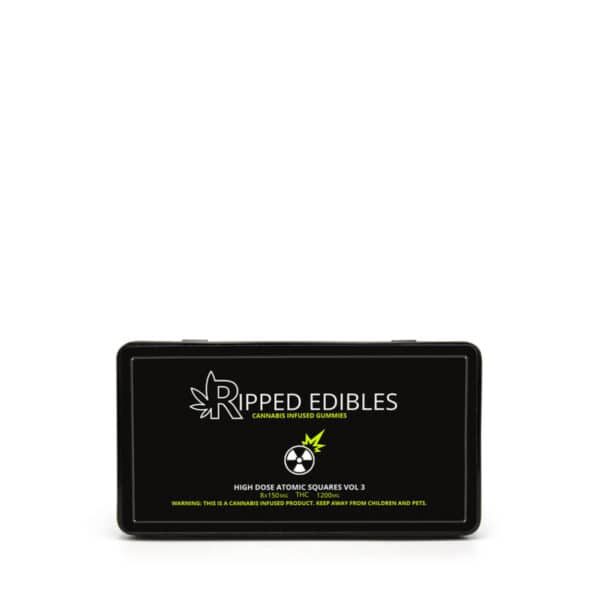 Ripped Edibles Atomic Squares Vol. 3
  Mystery Gift
 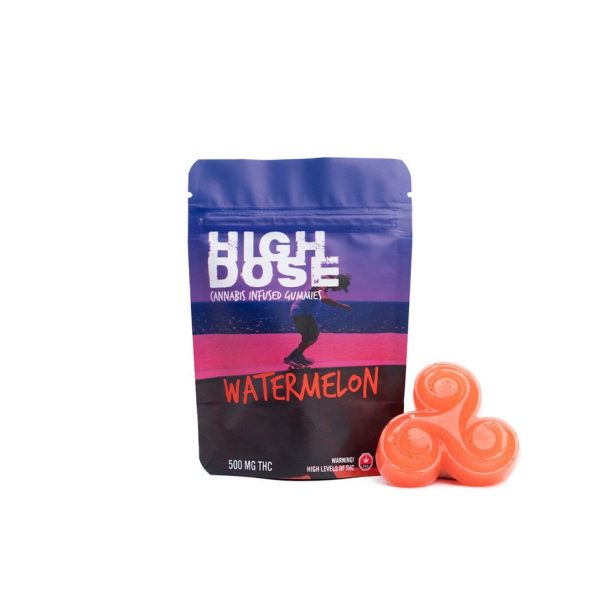 High Dose Watermelon Gummies
 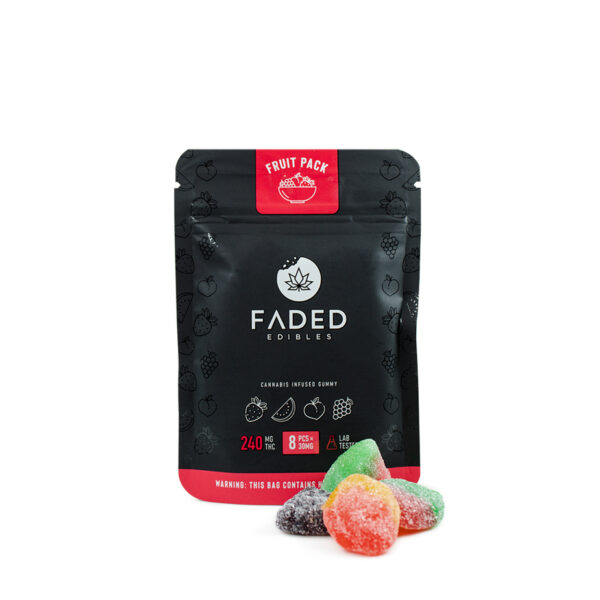 Faded Cannabis Co. Fruit Pack Gummies
 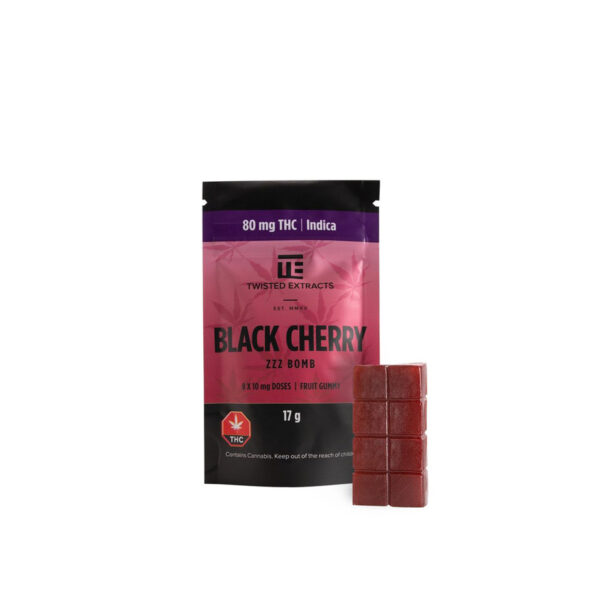 Twisted Extracts Black Cherry ZZZ Bomb
  Fantasy Milk Chocolate Bar
  Twisted Extracts Raspberry ZZZ Bomb