Free Shipping
on orders over $150.00
$40.00
$150.00
Add $110.00 more for free shipping!
-
×
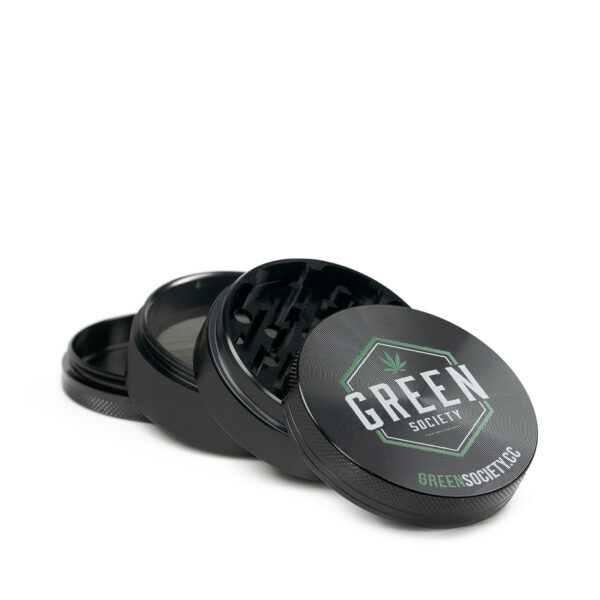 Green Society Herb Grinder
$40.00
Green Society Herb Grinder
$40.00

TL;DR:
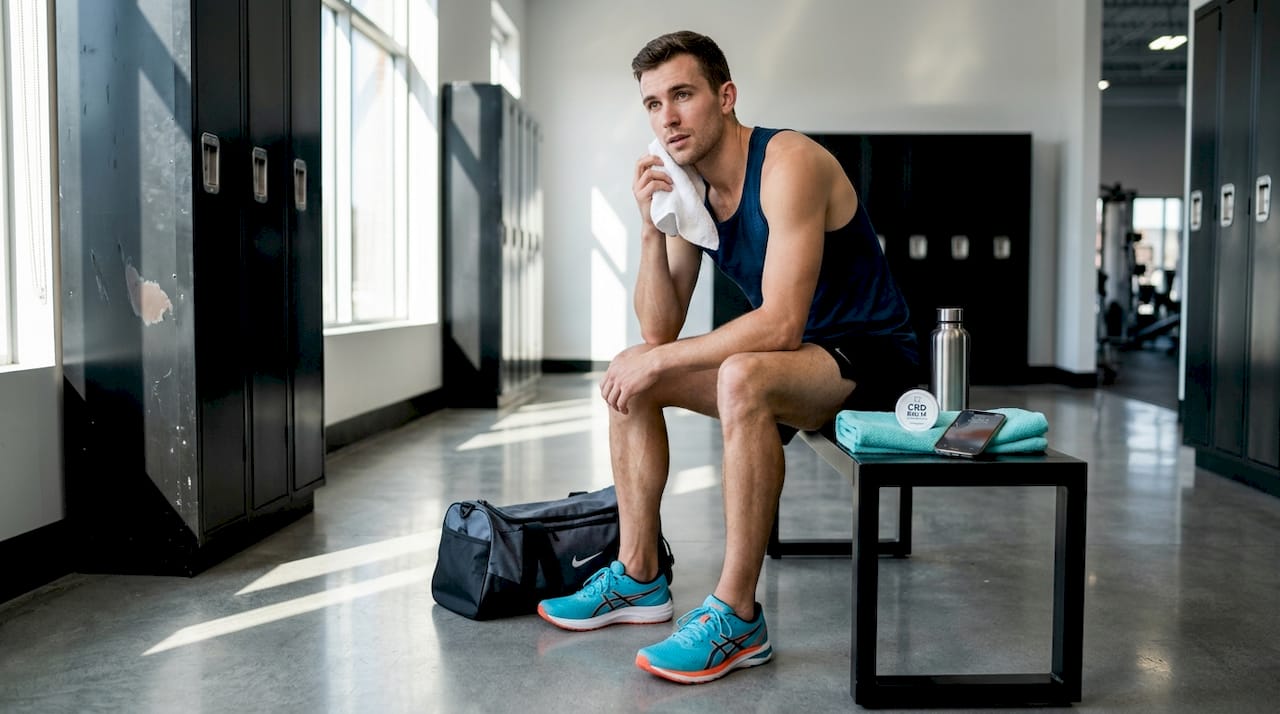
- Many athletes now turn to CBD and low-dose THC for recovery, as they support inflammation reduction and sleep quality. Proper timing, product quality, and dosage are essential for safe and effective use, with research showing notable benefits for soreness and sleep. Cannabis is a supportive recovery tool, not a performance enhancer, requiring responsible application and informed choices.
Most athletes have heard the warnings about cannabis impairing performance, but that framing misses the point entirely. Cannabis and athletic recovery are increasingly paired not because athletes are getting high before training, but because the science behind post-exercise inflammation, pain modulation, and sleep quality is genuinely compelling. More Canadian athletes are turning to CBD and low-dose THC as alternatives to ibuprofen and prescription sleep aids. This guide breaks down what the research actually says, what the risks are, and how to use cannabis strategically if recovery is your goal.
| Point | Details |
|---|---|
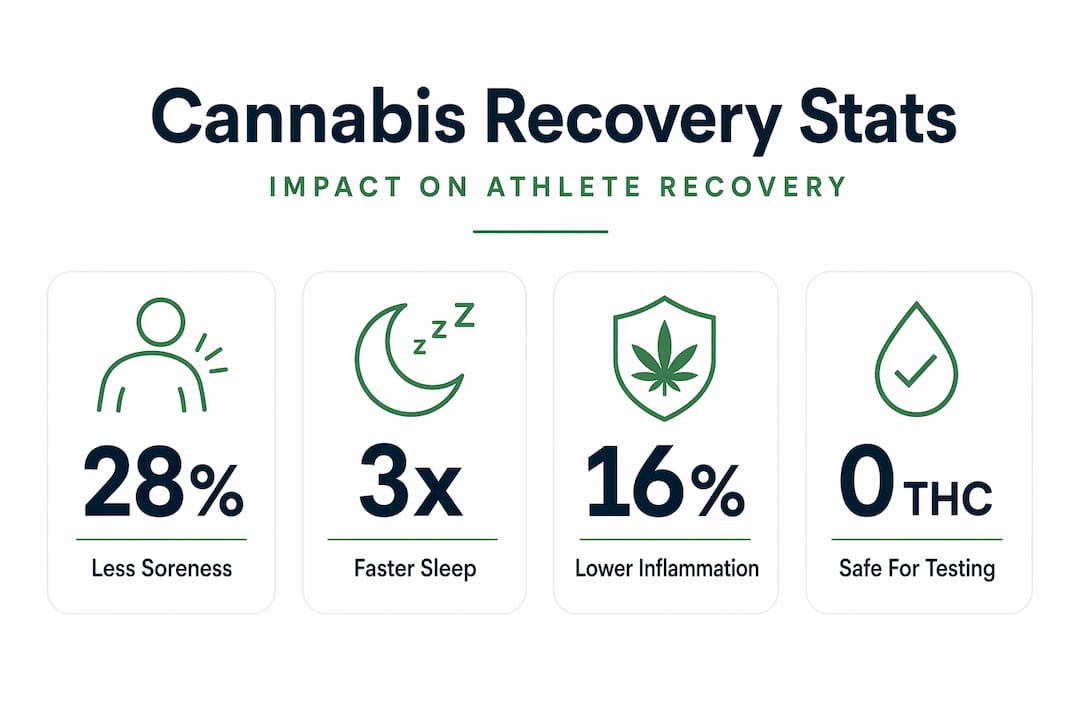
| CBD reduces muscle soreness | Daily CBD supplementation cut perceived soreness by 28% over four weeks in clinical trials. |
| Timing matters above all | Post-workout and evening use give recovery benefits without impacting coordination or training quality. |
| Product selection is critical | Choose third-party tested, certified-for-sport products to avoid contamination and anti-doping risks. |
| THC aids sleep in low doses | Low to moderate THC (2.5–10mg) shortens sleep onset, but high doses suppress restorative REM sleep. |
| Cannabis aids recovery, not performance | Cannabis modulates inflammation and improves sleep. It does not build muscle or increase output. |
To understand why cannabis works for recovery, you need a basic picture of the endocannabinoid system (ECS). Your body already produces cannabinoid-like compounds that regulate pain, inflammation, and sleep. The ECS is active during and after exercise, helping your body return to a balanced state. When you introduce CBD or THC, you are essentially speaking the same biochemical language your body already uses.
Here is what the research points to as the main recovery mechanisms:
Intense training is a metabolic stressor. Your muscles tear, your immune system activates, and your nervous system runs hot for hours after a session. The question is not whether cannabis has any biological effect. The question is whether the effect is net positive under the right conditions.
Pro Tip: If you train in the morning, avoid any THC-containing product until the evening. The window where THC impairs coordination and reaction time overlaps directly with the physiological stress of early workouts, making injury more likely.
The evidence base for using cannabis in sports recovery has grown considerably. Below is a snapshot of key findings from recent clinical and survey data.
| Study type | Key finding | Relevance to athletes |
|---|---|---|
| Clinical trial (2026) | 28% reduction in soreness with 25–50mg CBD daily over 4 weeks | Supports CBD as a daily recovery supplement |
| Clinical trial | Sublingual CBD reduced pain and functional impairment vs. placebo at 48 hours post-exercise | Targets the critical soreness window after training |
| Athlete survey | 38% of elite Canadian athletes self-report CBD use for sleep and mental recovery post-competition | Reflects real-world adoption in competitive sport |
| Dosing research | Low to moderate THC reduces sleep latency; high doses impair next-day cognition | Supports careful, dose-controlled evening THC use |
The clinical data on CBD is the most solid. A 2026 trial found that daily CBD supplementation using 67mg sublingually showed peak pain reduction at 48 hours post-exercise with no adverse reactions. For athletes, that 24 to 48 hour soreness window is exactly when recovery tools matter most.
What stands out about the survey data is how Canadian athletes are actually framing their use. They are not reaching for cannabis to feel better during training. They are using it afterwards, as a deliberate recovery tool alongside nutrition, hydration, and rest. As one summary of athlete use patterns notes, athletes treat cannabis more as an alternative to NSAIDs and opioids than as a performance enhancer. That framing is important. It keeps expectations honest.
“Cannabis is not a shortcut to muscle gains. Its value lies in modulating inflammation and improving sleep, both of which are crucial for recovery.” — Realm of Caring
The research gaps are real too. Most trials are short-term, sample sizes are modest, and long-term data on high-frequency cannabis use in athletes is limited. Use what the evidence supports now, but stay cautious about extrapolating beyond it.
Cannabis recovery benefits do not come automatically. They depend heavily on how, when, and what you use. Getting this wrong does not just reduce the upside. It can actively hurt your training.
The most common mistake is using high-THC products close to training sessions. High THC doses near exercise have been shown to increase balance errors by 18% and slow reaction time by 12% compared to placebo. If you are lifting heavy, running technical trails, or playing a sport with contact, that impairment is a direct injury risk.
Here are the practical guidelines that separate responsible use from reckless use:
Pro Tip: If you are a competitive athlete subject to drug testing, use only products labelled “THC-free” with a third-party certificate of analysis from a reputable lab. The “certified for sport” designation adds an extra layer of assurance that what is on the label is what is in the product.
The most effective way to use cannabis for recovery is to treat it as one layer in a structured protocol, not as a standalone solution. Here is how to think about product selection, dosing, and timing across your training week.
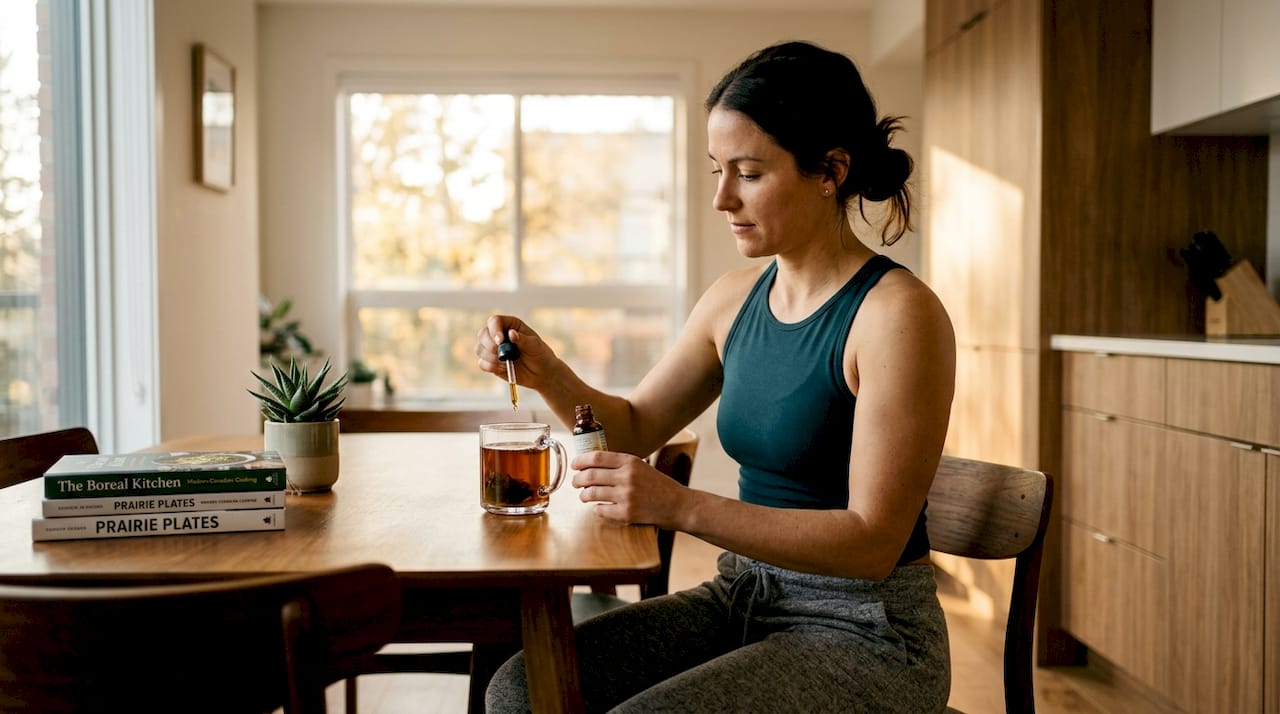
A simple progressive approach for someone new to cannabis recovery: start with 15 to 25mg CBD-only products post-workout for the first two weeks, assess how your soreness and sleep respond, and only introduce a low-dose THC product (2.5 to 5mg) in the evening if sleep quality is still a limiting factor. Cannabis works best alongside the fundamentals, meaning quality nutrition, adequate hydration, and consistent sleep scheduling. It amplifies a good recovery practice. It does not replace one.
Research from the University of California Riverside in 2026 found that whole-plant cannabis extracts improved glucose regulation in a way that THC alone did not. The extracts reversed adipoinsular dysfunction and improved glucose homeostasis in the study model, suggesting that minor cannabinoids and terpenes in full-spectrum products contribute to metabolic effects that isolated THC misses entirely.
For athletes, metabolic stress after prolonged intense training is a real concern. Glycogen depletion, cortisol spikes, and insulin response all affect how well your body rebuilds after hard sessions. While the current metabolic research is preclinical and needs human trial replication, the signal supports using whole-plant cannabis extracts over isolated CBD or THC products when metabolic recovery is part of your goal.
Pro Tip: Look for “full-spectrum” or “whole-plant” on product labels rather than “CBD isolate” if you want access to the range of cannabinoids and terpenes that appear to work better together than in isolation.
I have spent considerable time working through the research and talking with athletes at various competitive levels about how they actually use cannabis. Here is what I have come to believe that most articles get wrong.
The conversation is still too polarised. On one side, you have people treating CBD like a cure-all. On the other, you have old-guard sports culture that still equates cannabis with impairment. Both positions miss the nuance. In my experience, the athletes who get the most out of cannabis recovery protocols are the ones who treat it exactly like they treat any other recovery tool: with specificity, consistency, and patience.
What I have learned is that product selection is where most people underinvest their attention. They grab whatever is available without checking the cannabinoid ratios, the certificate of analysis, or whether the product suits their specific recovery bottleneck. A topical balm for a general anti-inflammatory effect is very different from a 5mg THC capsule taken 90 minutes before sleep. Treating them interchangeably is how you end up concluding that cannabis “did not work.”
The cultural shift is happening. Seeing 38% of elite Canadian athletes report using CBD for recovery is not a small number. It reflects a generation of athletes who are pragmatic about recovery tools and less ideologically attached to how things were done before. What I hope evolves alongside adoption is the quality of the education around it. More athletes knowing what to take, when, and why is a better outcome than widespread use without that understanding.
— Juiced
If you are ready to build a proper recovery protocol, Greensociety carries the kind of products that make the difference between guessing and knowing what you are getting. Every product is quality-checked, clearly labelled with cannabinoid content, and sourced with Canadian athletes in mind.
From CBD edibles with precise dosing designed for post-workout use to a full breakdown of CBD product formats including tinctures, topicals, and capsules, Greensociety makes it easy to find what fits your recovery goals. Whether you are managing next-day soreness, optimising sleep, or looking for a targeted topical for a nagging joint, there is a well-matched option waiting. Fast, discreet delivery means your recovery routine does not get interrupted by logistics.
CBD tinctures and topicals are the best starting point. They deliver anti-inflammatory benefits without psychoactive effects, and clinical evidence supports daily CBD supplementation at 25 to 50mg for reducing muscle soreness over time.
Yes, with careful timing. Low-dose THC (2.5 to 10mg) taken in the evening supports sleep onset without impairing next-day performance, provided you avoid use within three to four hours of training.
Many athletes are making that shift. Cannabis offers pain and inflammation relief with a different risk profile than long-term NSAID use, though you should discuss any changes to your recovery protocols with a sports medicine professional.
CBD itself is not banned under the World Anti-Doping Agency code, but contaminated products carrying undisclosed THC are a real risk. Always choose third-party tested, sport-certified products with a certificate of analysis confirming THC levels.
Clinical trials suggest meaningful soreness reduction appears after consistent daily use over two to four weeks. Acute effects like pain reduction post-exercise can be noticed at the 24 to 48 hour mark following sublingual administration.