Free Shipping
on orders over $150.00
$40.00
$150.00
Add $110.00 more for free shipping!
-
×
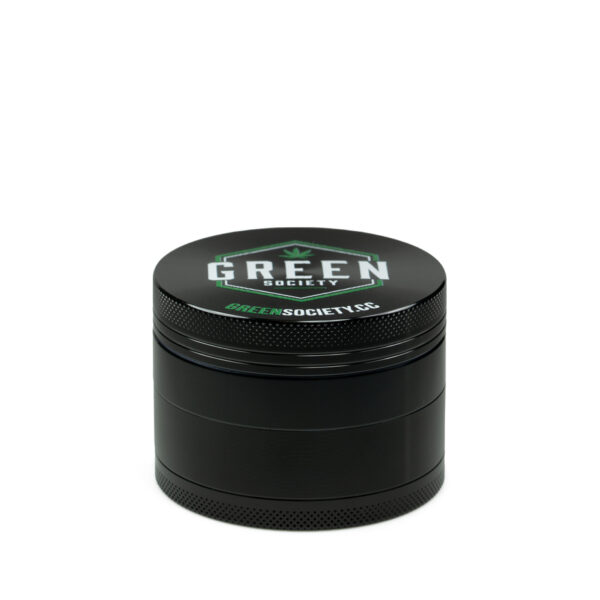
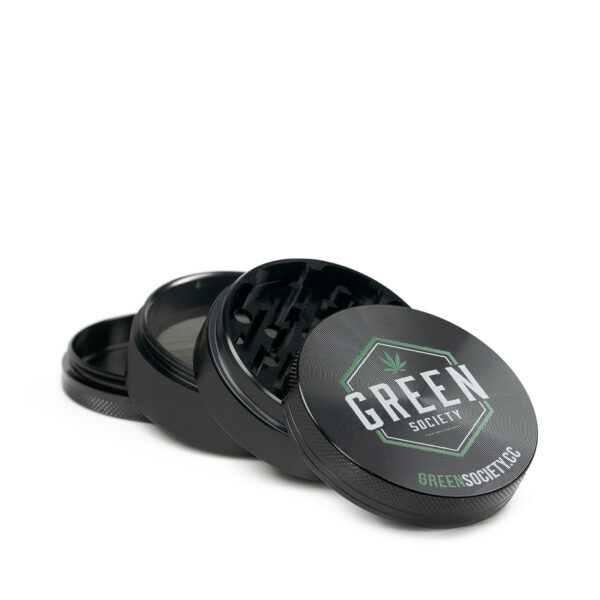 Green Society Herb Grinder
$40.00
Green Society Herb Grinder
$40.00


TL;DR:
- Cannabinoids interact with the endocannabinoid system to regulate pain, mood, and immune activity. Their effects vary based on genetics, product type, and the balance of compounds like THC and CBD. These compounds support wellness mainly through symptom management, not as cures, emphasizing personalized dosing and realistic expectations.
Cannabinoids are defined as chemical compounds that interact with the body’s endocannabinoid system (ECS) to regulate pain, mood, appetite, and immune activity. The role of cannabinoids in wellness centres on this interaction: by binding to CB1 and CB2 receptors throughout the brain and body, compounds like THC and CBD influence core physiological processes that determine how you feel day to day. Canada’s legal cannabis framework gives Canadians direct access to these compounds, but the science behind them is more nuanced than most product labels suggest. This guide cuts through the noise with evidence-based answers on what cannabinoids actually do, where the research is strong, and where it falls short.
Cannabinoids interact with CB1 and CB2 receptors to modulate pain perception, inflammation, and immune response. CB1 receptors sit primarily in the brain and nervous system, while CB2 receptors concentrate in immune tissue. Activating these receptors can reduce the intensity of pain signals and dampen inflammatory responses.

The clinical picture is promising but incomplete. Medical cannabis is used for chronic pain, spasticity, and chemotherapy-induced nausea, yet high-quality clinical trials remain limited and results are mixed. That gap between widespread use and limited trial data is the central tension in cannabinoid medicine right now.
THC and CBD take different routes to physical relief:
The entourage effect describes how cannabinoids and terpenes work together more effectively than any single compound alone. Full-spectrum products preserve this interaction; isolates do not.
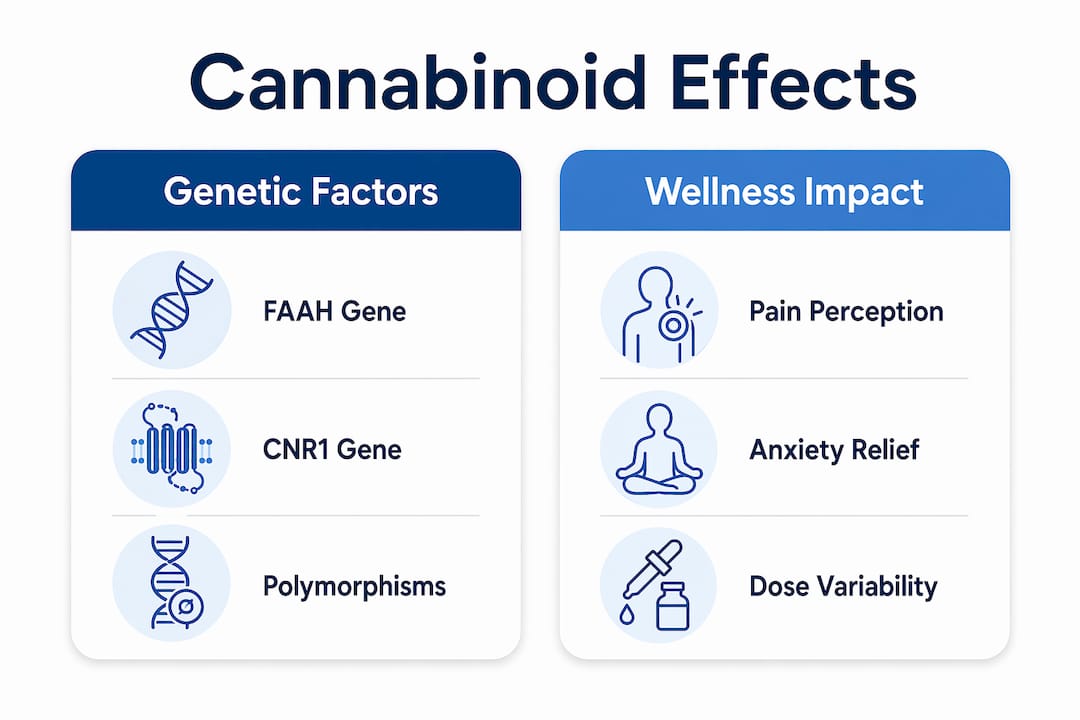
Pro Tip: Genetic polymorphisms in genes like FAAH and CNR1 mean two people taking the same dose can have completely different experiences. If a standard dose does not work for you, the issue may be biological, not psychological.
Cannabinoids and mental wellness have a complicated relationship. CBD shows genuine promise for anxiety symptom relief, but evidence for CBD in anxiety is currently rated as low certainty. That does not mean it does not work. It means the trials conducted so far are too small or too short to draw firm conclusions.
THC tells a different story. High-THC products carry real psychiatric risk. High-THC cannabis can induce psychosis in susceptible individuals, cause cognitive impairment, and worsen anxiety rather than relieve it. Major psychiatric organisations recommend against cannabis for diagnosed anxiety disorders, particularly products with elevated THC content.
The contrast between CBD and THC in mental wellness applications is stark:
| Feature | CBD | THC |
|---|---|---|
| Psychoactive effect | None | Yes, dose-dependent |
| Anxiety relief evidence | Low certainty, promising | Mixed; can worsen anxiety |
| Addiction potential | Non-addictive | Carries addiction risk |
| Recommended for anxiety disorders | Not yet endorsed | Not recommended |
| Best suited for | Mild stress, sleep support | Pain, appetite, palliative care |
Individual genetic variability adds another layer. Polymorphisms in FAAH and CNR1 genes drive wide differences in how people respond to identical doses. Someone with a particular CNR1 variant may find low-dose THC calming while another person with the same dose experiences heightened anxiety. This is not anecdote. It is pharmacogenomics.
Cannabis contains over 100 identified cannabinoids. Most wellness conversations focus on THC and CBD, but several others have distinct and useful profiles.
| Cannabinoid | Psychoactive? | Primary wellness application |
|---|---|---|
| THC | Yes | Pain relief, appetite, nausea |
| CBD | No | Anxiety support, inflammation, sleep |
| CBN | Mildly | Sleep aid, mild sedation |
| CBG | No | Antibacterial, neuroprotection research |
| CBC | No | Anti-inflammatory, mood support |
| THCV | Mildly at high doses | Appetite suppression, blood sugar research |
THC is psychoactive and carries addiction potential, while CBD is non-intoxicating and non-addictive. That distinction matters enormously when choosing a product for daily wellness use. CBN is worth noting for sleep: it appears in aged cannabis as THC degrades, and many people report sedative effects, though clinical trials are still early.
The entourage effect makes the full cannabinoid profile of a product more relevant than any single compound. A broad-spectrum oil that retains CBG, CBC, and terpenes alongside CBD will likely behave differently than a pure CBD isolate. Greensociety carries both formats, which lets you compare responses directly.
Canada’s legal cannabis framework under the Cannabis Act gives Canadians regulated access to tested products. Health Canada acknowledges that cannabis may relieve symptoms like pain and nausea but does not authorise cannabis products as treatments for specific diseases. That regulatory position sets the right frame: cannabinoids are supportive tools, not cures.
Practical steps for safe use in 2026:
Pro Tip: If you are new to cannabinoids, start with a CBD-dominant product and no THC. You get the receptor interaction without the psychoactive variable. Add THC only once you understand your baseline CBD response.
You can also check Greensociety’s safe use checklist for a structured approach to product selection and dosing in 2026.
Cannabinoids are not risk-free, and the wellness industry does not always say so clearly. Setting realistic expectations is part of responsible use.
Key risks to know before you start:
“Cannabis use is aimed at symptom management and palliation rather than disease cure. Education and realistic expectations are critical.” — StatPearls, National Institutes of Health
Cannabinoids are not approved as cures for any condition beyond a narrow set of FDA-approved indications, such as childhood epilepsy (Epidiolex) and chemotherapy-induced nausea. Every other application sits in a zone of promising but incomplete evidence. That is not a reason to avoid cannabinoids. It is a reason to use them with clear eyes and good information.
Experts also caution against viewing cannabis as a panacea, particularly for adolescents, where immune and cardiovascular risks are more pronounced. The wellness benefits are real for many adults. The risks are also real, and they are not distributed equally across the population.
Cannabinoids support wellness by interacting with CB1 and CB2 receptors to modulate pain, mood, and inflammation, but their benefits require personalised dosing, realistic expectations, and awareness of individual genetic variability.
| Point | Details |
|---|---|
| ECS interaction is the mechanism | CB1 and CB2 receptor activation regulates pain, mood, appetite, and immune function. |
| CBD and THC serve different purposes | CBD suits daily stress and inflammation; THC is better suited to pain and palliative care. |
| Start below 5 mg THC | The clinical standard unit is 5 mg; starting lower and waiting 1–2 hours prevents adverse effects. |
| Genetics shape your response | FAAH and CNR1 gene variants mean identical doses produce different effects in different people. |
| Cannabinoids manage symptoms, not disease | Health Canada and StatPearls both confirm cannabis is a supportive tool, not a cure. |
The wellness industry has done cannabinoids a disservice by overselling them. I have seen CBD marketed as a cure for everything from arthritis to cancer anxiety, and that kind of hype makes it harder for people to use these compounds sensibly.
Here is what I have come to believe after years of watching this space: cannabinoids are genuinely useful for a specific and limited set of wellness goals. Mild anxiety, sleep onset, chronic pain management, and inflammation reduction are areas where the evidence is real, even if it is not yet definitive. That is a meaningful list. It does not need to be inflated.
The genetic variability piece is the most underappreciated factor in the entire conversation. Two people can take the same CBD oil from the same batch and have completely different outcomes. One person sleeps better. The other notices nothing. Neither is wrong. Their ECS is simply wired differently. Personalised tracking, not generic dosing charts, is the only way to find what works for you.
My strongest caution is for anyone considering high-THC products for mental health. The evidence does not support it, and the risks for susceptible individuals are real. Start with CBD. Give it time. Add THC only with a clear purpose and a low dose. The myths around cannabis and mental health are worth reading before you make that call.
— Juiced
Greensociety carries a curated selection of cannabis flower, CBD oils, edibles, and concentrates, all sourced from licensed Canadian producers with verified lab results. Whether you are new to cannabinoids or refining an existing routine, the product range covers every format discussed in this guide.
If you are starting with flower, Greensociety’s cannabis flower buying guide walks you through strain selection, potency ranges, and what to look for in a COA. For those who prefer a smoke-free option, the CBD product guide covers oils, capsules, and topicals with practical advice on dosing and format selection. Greensociety ships discreetly across Canada, with fast delivery and a straightforward ordering process built for adults who value both quality and privacy.
The endocannabinoid system is a network of CB1 and CB2 receptors found throughout the brain, nervous system, and immune tissue that regulates pain, mood, appetite, and inflammation. Cannabinoids like THC and CBD interact with this system to produce their effects.
CBD is non-intoxicating and non-addictive, making it suitable for daily use in most healthy adults. People taking prescription medications should consult a physician first, as CBD affects how certain drugs are metabolised.
The clinical standard is 5 mg per dose. Starting below that threshold and waiting 1–2 hours before adjusting is the recommended approach to avoid adverse psychoactive effects.
Cannabinoids are not approved treatments for anxiety or depression. CBD shows low-certainty promise for anxiety symptom relief, while high-THC products can worsen anxiety and are not recommended by major psychiatric organisations for anxiety disorders.
Health Canada regulates cannabis under the Cannabis Act and acknowledges its potential for symptom relief, but does not authorise cannabis products as treatments for specific diseases. Licensed producers must meet testing and labelling standards.