Free Shipping
on orders over $150.00
$40.00
$150.00
Add $110.00 more for free shipping!
-
×
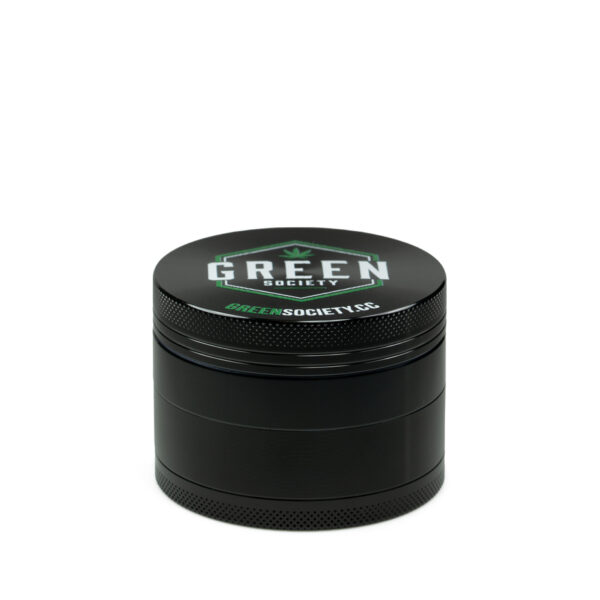
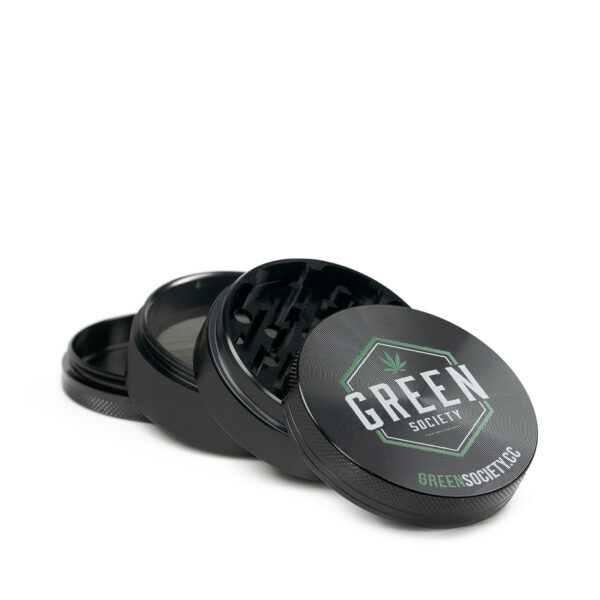 Green Society Herb Grinder
$40.00
Green Society Herb Grinder
$40.00

TL;DR:
- Finding relaxing cannabis involves balancing THC CBD ratios and terpene profiles beyond just strain type.
- Myrcene, linalool, and beta-caryophyllene are key terpenes that promote calm and relaxation.
- Personal experimentation with dosing, timing, and individual response is essential for effective stress relief.
Choosing cannabis for relaxation sounds simple until you’re staring at a wall of strain names, percentages, and terpene profiles with no clear direction. The truth is, picking the right strain is far more nuanced than grabbing the nearest indica off the shelf. Your body chemistry, tolerance, and even the time of day all shape how a strain affects you. This guide cuts through the noise using user reports, scientific insights, and practical advice to help you find what actually works. Whether you’re new to cannabis or refining your routine, you’ll walk away knowing exactly what to look for and why.
| Point | Details |
|---|---|
| Strain selection matters | Not all cannabis is equal—choose strains with the right genetics and terpenes for relaxation. |
| Terpenes influence effects | Myrcene, linalool, and beta-caryophyllene are key to calming experiences. |
| Dose carefully | Start low and adjust gradually to avoid unwanted anxiety, especially with high-THC strains. |
| Personal response varies | Pay attention to how your body reacts; no single strain works for everyone. |
Most people start by asking “indica or sativa?” and that’s a reasonable first step. But strain genetics are only part of the picture. To truly find a strain that supports relaxation, you need to look at four key factors: THC and CBD balance, terpene profile, your personal tolerance, and how you plan to consume.
THC and CBD balance matters more than most people realise. THC is the main psychoactive compound, and at the right dose it can quiet a racing mind. But too much, especially for beginners, can tip into anxious territory. CBD, on the other hand, has a calming, grounding effect and can actually soften the intensity of THC. A balanced ratio, something in the range of 1:1 THC to CBD, is often a smart starting point for relaxation without overwhelm.
Terpenes are where things get genuinely interesting. These aromatic compounds do far more than give cannabis its smell. Key terpenes for relaxation include myrcene, linalool, and beta-caryophyllene, each working through distinct biological pathways to promote calm. When you read a strain description, look beyond the THC percentage and check for these terpenes specifically.
Here’s a quick checklist when evaluating any strain for relaxation:
Understanding the indica vs sativa differences is still a useful starting framework, but terpenes and cannabinoid ratios give you far more precision. If you’re also using cannabis to reduce stress with cannabis, pairing the right strain with intentional habits amplifies results.
“The most common mistake is chasing the highest THC number. For relaxation, balance and terpene profile almost always outperform raw potency.”
Pro Tip: Start with the lowest effective dose when trying a new strain. Give it 15 to 30 minutes before reassessing. Rushing this process is the fastest route to an uncomfortable experience.
Indica-dominant strains such as Purple Kush, Blueberry Kush, Bubba Kush, Northern Lights, and Granddaddy Purple are consistently recommended for relaxation and stress relief across user communities and review platforms. Here’s what makes each one stand out.
| Strain | Dominant terpenes | Flavour profile | Users reporting stress relief |
|---|---|---|---|
| Purple Kush | Myrcene, caryophyllene | Earthy grape | ~42% |
| Blueberry Kush | Myrcene, linalool | Sweet berry | ~40% |
| Bubba Kush | Myrcene, limonene | Coffee, chocolate | ~36% |
| Northern Lights | Myrcene, terpinolene | Pine, sweet | High anecdotal |
| Granddaddy Purple | Myrcene, pinene | Grape, berry | Popular for sleep |
Purple Kush is a pure indica with a heavy myrcene profile. Users frequently describe a full-body calm that settles in quickly, making it a go-to for evening wind-down. The earthy grape flavour is distinctive and pleasant.
Blueberry Kush leans sweet and fruity with a sedating effect that builds gradually. Its linalool content adds a gentle, almost floral quality to the relaxation. Great for those who find earthier strains too heavy.
Bubba Kush is a favourite for people who want relaxation without feeling completely floored. The effect is calming rather than overwhelming, which makes it more versatile across different tolerance levels.
Northern Lights has decades of anecdotal support behind it. It’s one of the most stable and consistent indica strains available, and users regularly report deep physical calm and mental quiet without significant grogginess the next morning.
Granddaddy Purple is particularly popular among people who struggle with sleep alongside stress. Its berry-forward flavour is approachable, and the body relaxation it produces is well-suited for sensory unwinding at the end of a long day.
If anxiety is part of what you’re managing, exploring relaxing strains for anxiety can help you narrow down which of these options suits your specific needs.
You might be wondering what makes these strains biologically relaxing. The answer is in the terpenes. These compounds aren’t just flavour molecules. They interact directly with your nervous system and, crucially, with cannabinoids like THC and CBD through what researchers call the entourage effect.
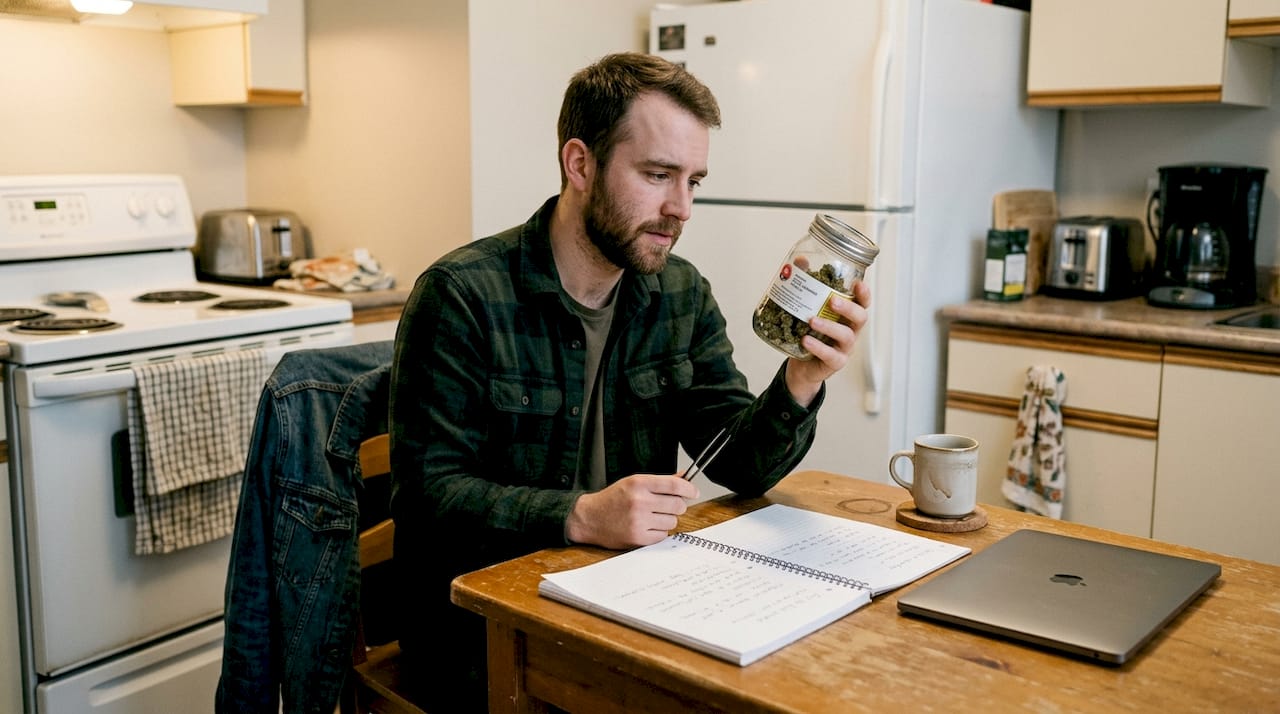
Here’s a breakdown of the three terpenes most relevant to relaxation:
| Terpene | Mechanism | Best for | Common strains |
|---|---|---|---|
| Myrcene | Sedating, crosses blood-brain barrier | Evening, sleep prep | Purple Kush, Blueberry Kush |
| Linalool | Activates GABA pathways | Anxiety, tension | Blueberry Kush, Lavender Kush |
| Beta-caryophyllene | Binds CB2 receptor | Daytime calm, inflammation | Bubba Kush, GSC |
Myrcene is sedating, linalool relaxes via GABA, and beta-caryophyllene works on the CB2 receptor for anti-inflammatory effects. This distinction matters practically. If you want to relax in the evening and ease into sleep, prioritise myrcene-heavy strains. If you need to stay functional during the day while managing stress, beta-caryophyllene is your terpene.
Linalool is particularly interesting because its mechanism mirrors how some anti-anxiety medications work, activating GABA receptors to slow overactive neural firing. Strains with notable linalool content tend to produce a calm that feels more mental than physical, which suits people whose stress lives primarily in their thoughts.
For a deeper look at how these compounds interact, the cannabis strains for anxiety guide covers the entourage effect in more practical detail. Understanding the indica vs sativa for calm distinction also helps when you’re matching terpene profiles to your lifestyle.
The key takeaway: terpenes give you a far more reliable map of how a strain will feel than THC percentage alone. A 22% THC strain with low myrcene may feel less relaxing than an 18% strain with a rich, diverse terpene profile.
With all these choices, it’s critical to remember that how you use cannabis deeply affects your results. Two people can try the same strain at the same dose and have completely different experiences. That’s not a flaw in the system. It’s just biology.
High-THC strains may induce anxiety or paranoia in novice users, which is why starting low and building gradually is more than just a cautious suggestion. It’s the most reliable path to actually achieving relaxation rather than accidentally triggering the opposite.
Here’s a practical step-by-step approach:
Cannabis studies show that roughly 70% of high-quality studies report symptom improvement for anxiety, but results vary significantly based on dose and individual factors. This reinforces the value of personalising your approach rather than following a one-size-fits-all recommendation.
Microdosing is worth exploring if you find standard doses unpredictable. Very small amounts, often below 5mg THC, can provide a gentle relaxation effect without the intensity that sometimes triggers anxiety. Adding a CBD-dominant product alongside your chosen strain is another effective strategy for smoothing out the experience.
For foundational guidance, the cannabis beginner tips resource is a solid starting point. Pairing smart dosing with broader wellness tips for cannabis use helps build a sustainable, effective routine.
Pro Tip: Try the same strain at different times of day before writing it off. A strain that feels too stimulating in the afternoon may be perfectly calming at 9 p.m.
Here’s a hard-won perspective most lists skip: no strain is universally best for relaxation. Full stop. Every list, including this one, is a starting point, not a prescription. The uncomfortable reality is that finding your ideal relaxation strain requires personal experimentation, patience, and honest self-observation.
Many people try one strain, have a mediocre experience, and conclude that cannabis doesn’t work for them. But individual response varies significantly, and starting at the wrong dose or the wrong time of day can completely distort results. Cannabis is a tool. Like any tool, it works best when you understand how to use it properly.
We also think the wellness framing matters. Cannabis supports relaxation most effectively when it’s part of a broader intentional practice, not a quick fix layered on top of chronic stress. Pairing it with good sleep hygiene, movement, and honest stress management tends to produce far better outcomes than relying on it alone. Explore cannabis and anxiety insights to understand where cannabis genuinely helps and where lifestyle changes carry more weight.
If you’re ready to move from learning to relaxing, Green Society makes it straightforward to find exactly what you need. Our curated product guides and educational resources are built to help you make confident, informed choices rather than guessing.

Browse the full explore cannabis categories section to find strain types, formats, and potency levels matched to your goals. If you want a structured approach to picking the right product, the product selection workflow walks you through every decision point. And before you start, the cannabis wellness checklist ensures you’re set up for a safe, effective experience from the very first session.
Indica-dominant strains are generally more calming and sedating, making them the more popular choice for relaxation, while sativa strains tend to produce more energising, uplifting effects that are better suited for daytime activity.
Myrcene, linalool, and beta-caryophyllene are the main terpenes linked to relaxation and stress reduction, with each working through a different biological pathway to produce calm. Key terpenes for relaxation are well-documented in current research.
Yes, particularly with high-THC strains and in sensitive or inexperienced users. High-THC strains may induce anxiety or paranoia, which is why starting with low doses and moderate-potency strains is strongly recommended.
Beginners should choose a low-to-moderate THC strain with a strong myrcene or linalool profile, start with the smallest effective dose, and wait patiently before considering more. Individual response varies, so tracking your experience across a few sessions is the fastest way to dial in what works for you.