Free Shipping
on orders over $150.00
$0.00
$150.00
Add $150.00 more for free shipping!

TL;DR:
- Start with 1 to 2.5 mg THC and wait two hours to assess effects.
- Choose lab-tested, high-quality products from licensed sources for safety.
- Use edibles, tinctures, or topicals over smoking to reduce respiratory risks.
Cannabis wellness advice is everywhere right now, and not all of it deserves your trust. Between influencer recommendations, brand marketing, and genuine medical research, sorting credible guidance from hype takes real effort. The good news is that evidence-based strategies do exist. Starting with 1 to 2.5 mg THC for beginners is one of the most consistent recommendations across health sources. This article cuts through the noise with practical, research-backed tips covering dosing, product selection, consumption methods, and safety, so you can make informed choices that genuinely support your health goals.
| Point | Details |
|---|---|
| Start low and go slow | Begin with small THC doses and gradually adjust to find your best wellness effects. |
| Select lab-tested products | Licensed, lab-tested cannabis ensures accurate potency and avoids harmful contaminants. |
| Choose safer consumption methods | Edibles, tinctures, and topicals are healthier than smoking or vaping. |
| Know the risks | Cannabis use can increase heart, cognitive, and addiction risks, so always consult a health provider. |
| Evidence beats hype | Trust medical advice and peer-reviewed data rather than marketing claims for wellness gains. |
Dosing is where most people go wrong with cannabis wellness. The instinct to take more, faster, is understandable, but it leads to uncomfortable experiences that put people off entirely. Getting the dose right from the start changes everything.
Beginners should start with 1 to 2.5 mg THC and wait a full two hours before considering any additional amount. This is especially important with edibles, where delayed onset catches people off guard. Patience is not optional here.
Here is a practical approach to building your dose safely:
Microdosing, which means using very small amounts of cannabis (typically 1 to 5 mg THC) to achieve subtle therapeutic effects without intoxication, is gaining serious traction. Our microdosing cannabis guide explains how this approach can support sleep, mood, and focus without the high that recreational doses produce. For wellness purposes, staying below the intoxication threshold is often the entire point.
Your ideal dose is also shaped by factors beyond just body weight. Age, sex, metabolism, and existing health conditions all influence how cannabis affects you. Older adults and those new to cannabis tend to be more sensitive. A cannabis pain relief study found that therapeutic effects vary considerably across individuals, reinforcing why personalised titration matters more than following someone else’s dose.
“The goal of cannabis wellness is not to feel the most. It is to feel better. That distinction shapes every dosing decision you make.”
Pro Tip: Set a timer when you consume edibles. Two hours feels like a long wait, but it prevents the classic mistake of doubling your dose because you thought it was not working.
Product quality is not a luxury consideration in cannabis wellness. It is a safety requirement. Unregulated or poorly manufactured products can contain pesticides, residual solvents, heavy metals, and inaccurate potency labelling, all of which undermine your wellness goals and can cause real harm.
Licensed dispensaries with lab-tested products provide a certificate of analysis, commonly called a COA, which confirms potency, purity, and the absence of contaminants. Always ask for it or look for it on the product packaging before you buy.
Here is what to look for when evaluating any cannabis product:
For wellness use, CBD-dominant and balanced THC/CBD products are often the better starting point. They offer therapeutic potential with lower psychoactive risk. The quality and purity outcomes tied to lab-tested products are measurably better than those from unverified sources.
| Product type | Recommended for wellness | Key consideration |
|---|---|---|
| CBD oil or tincture | Anxiety, sleep, inflammation | Check CBD concentration and carrier oil |
| Balanced THC/CBD edible | Pain, relaxation | Onset can take 1 to 2 hours |
| CBD topical | Localised pain, skin issues | No psychoactive effect |
| High-THC flower | Experienced users only | Requires careful dose control |
Understanding cannabis lab testing and why it matters is one of the most practical steps you can take. The importance of lab testing goes beyond potency. It is about knowing exactly what you are putting into your body.
Pro Tip: If a product does not have a publicly accessible COA, treat that as a red flag regardless of how appealing the branding looks.
How you consume cannabis matters as much as what you consume. Smoking remains the most common method, but it carries real respiratory risks that conflict directly with wellness goals.
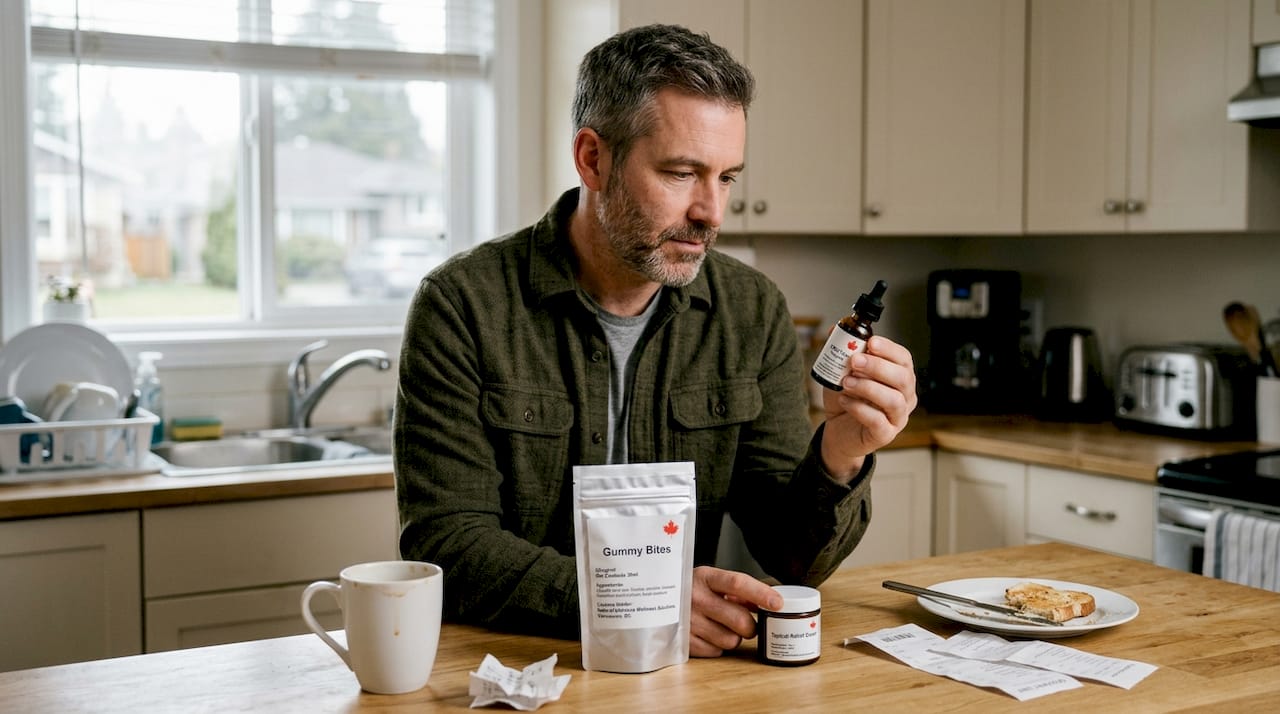
Avoiding smoking or vaping in favour of edibles, tinctures, or topicals reduces respiratory risks and allows for more precise dosing. This is particularly important for older adults and anyone with existing lung or cardiovascular conditions.
Here is a quick comparison of the most common consumption methods:
| Method | Onset time | Duration | Best for |
|---|---|---|---|
| Edibles | 30 to 120 minutes | 4 to 8 hours | Sustained relief, sleep |
| Tinctures (sublingual) | 15 to 45 minutes | 2 to 4 hours | Precise dosing, flexibility |
| Topicals | 5 to 20 minutes | 1 to 3 hours | Localised pain, inflammation |
| Smoking or vaping | 2 to 10 minutes | 1 to 3 hours | Not recommended for wellness |
Edibles are excellent for sustained effects but require patience because of their delayed onset. Tinctures, which are liquid cannabis extracts taken under the tongue, offer a middle ground with faster onset and easier dose adjustment. Topicals are ideal for joint pain or muscle soreness without any psychoactive effect at all.
Key benefits of non-inhalation methods include:
For a thorough breakdown of your options, the guide to safer cannabis methods covers each approach in detail. Medical cannabis safety research consistently supports non-inhalation routes as the preferred choice for therapeutic use.
Pro Tip: If you are new to tinctures, start with a few drops under the tongue rather than adding it to food or drink. Sublingual absorption is faster and more predictable than digestion.
Cannabis is not risk-free, and honest wellness guidance has to acknowledge that. Understanding the real risks lets you make smarter decisions rather than avoiding cannabis altogether or using it carelessly.
Daily cannabis use carries a 25% higher heart attack risk, and roughly 1 in 10 users develop a dependence over time. Cognitive effects, particularly with heavy use, are also well-documented. These are not reasons to panic, but they are reasons to be deliberate.
Key risks to keep in mind:
Risks for older adults specifically include a higher sensitivity to THC, increased fall risk, and more complex medication interactions. If you are over 60, pregnant, managing a cardiac condition, or taking prescription medications, a conversation with your doctor before starting cannabis is not optional, it is essential.
“Evidence-based cannabis use means knowing what the research actually says, not just the parts that support what you already want to do.”
Our guide on cannabis safety tips offers practical strategies for reducing these risks without giving up the potential benefits. The key is consistent, measured use with regular check-ins on how your body is responding.
Here is something the wellness industry rarely admits: most cannabis benefits are modest. Not transformative, not miraculous, but genuinely useful when approached correctly. That distinction matters enormously.
We have seen too many people chase dramatic outcomes based on marketing promises, then feel disappointed or misled when cannabis does not cure their anxiety overnight or eliminate chronic pain entirely. The evidence supports cannabis as a complementary tool, not a standalone solution.
What the data actually backs is measured, consistent use. Microdosing and CBD-dominant products show the most favourable benefit-to-risk profiles for wellness purposes. Cardiovascular risks and variable product quality are real concerns that no reputable source dismisses, and they are why medical oversight matters even for casual wellness use.
Our honest recommendation is to treat cannabis the way you would any health supplement: start conservatively, track your results, stay informed, and adjust based on evidence rather than expectation. The microdosing wellness benefits approach aligns with this philosophy and tends to produce the most sustainable, positive outcomes over time.
Ready to put these tips into practice? Green Society makes it straightforward to find lab-tested, high-quality products that match your wellness goals.
Whether you are exploring CBD edibles products for the first time or refining your existing routine, our catalogue covers every consumption method discussed in this article. Use our cannabis flower checklist to evaluate products confidently before purchasing. And if you want to enhance your experience with the right tools, our selection of cannabis accessories supports safer, more precise consumption. Every product on our platform is sourced with quality and transparency in mind, so you can focus on your wellness journey with confidence.
Microdosing uses 1 to 5 mg THC to provide wellness benefits like reduced anxiety, better focus, pain relief, and improved sleep without producing intoxication. It is one of the most evidence-supported approaches for therapeutic cannabis use.
Edibles, tinctures, and topicals are safer than smoking or vaping because they eliminate respiratory risks and allow for more precise, consistent dosing. Tinctures offer the best balance of onset speed and dose control for most wellness users.
Cannabis carries real risks including 25% higher heart attack risk with daily use, cognitive effects, addiction in about 1 in 10 users, drug interactions, and increased fall risk for older adults. Consulting a healthcare provider is strongly recommended before starting.
Always buy from licensed dispensaries with COAs that confirm potency and purity from a third-party lab. A matching batch number between the product and its certificate of analysis is the clearest sign of genuine quality assurance.