Free Shipping
on orders over $150.00
$40.00
$150.00
Add $110.00 more for free shipping!
-
×
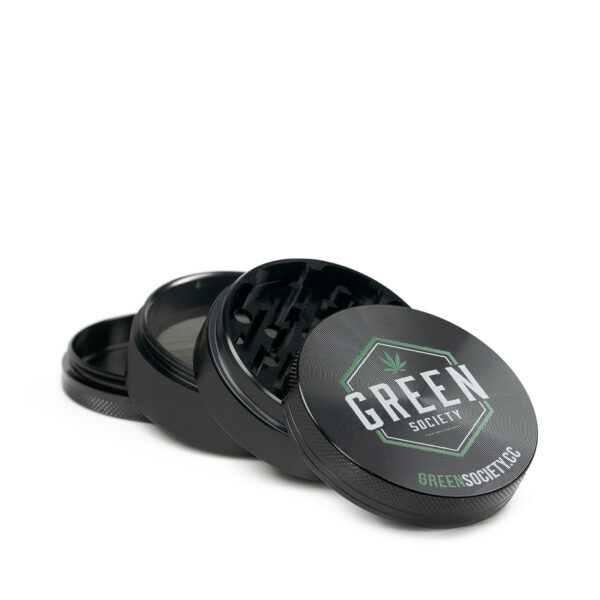 Green Society Herb Grinder
$40.00
Green Society Herb Grinder
$40.00


TL;DR:
- Vegan cannabis products exclude animal ingredients, testing, and processing aids, appealing to health-conscious consumers. Certification standards like USDA Organic and third-party lab testing ensure genuine plant-based quality and safety. Consumers should verify ingredient lists and download Certificates of Analysis to confirm a product’s vegan status and purity.
Vegan cannabis products are cannabis-derived items made without animal ingredients, animal testing, or animal-derived processing aids. That definition covers far more than gummies. Topicals, oils, tinctures, and capsules all fall under the plant-based cannabis umbrella, and each category carries its own ingredient risks for vegan consumers. The market has grown to reflect real demand from health-conscious Canadians who want cruelty-free cannabis that aligns with their dietary values and wellness goals. Certifications like USDA Organic, cruelty-free labels, and third-party lab testing are now the baseline standards that separate genuinely vegan products from those that simply market themselves that way.
A cannabis product is vegan when it contains no animal-derived ingredients and was not tested on animals at any stage of production. The standard industry term for this category is “plant-based cannabis,” though “vegan cannabis” is the phrase most consumers search for. The distinction matters because cannabis itself is a plant, but many processed cannabis products introduce animal ingredients through binders, coatings, and carrier oils.
Common non-vegan ingredients to watch for include gelatin (from animal bones), beeswax, lanolin (from sheep wool), dairy-based emulsifiers, and carmine (a red dye from insects). A product labelled “natural” can still contain all of these. Reading the full ingredient list is the only reliable method.
Vegan cannabis consumers gain the most from products free of animal gelatin, beeswax, lanolin, dairy, and synthetic dyes, which also aligns with sustainability and ethical sourcing goals. That alignment is not incidental. Sustainable vegan cannabis production reduces water usage and carbon footprint compared to conventional formulations.
Vegan edibles replace gelatin with pectin, a plant-derived gelling agent sourced from fruit skins. Pectin produces a slightly firmer texture than gelatin but delivers the same consistent dosing that makes gummies the most popular edible format in Canada.
The key features to look for in plant-based edibles:
Vegan THC gummies use pectin instead of gelatin and offer plant-based, cruelty-free alternatives across a wide range of flavours and cannabinoid ratios. The variety now available means you can find low-dose CBD-only options for daily wellness, balanced THC:CBD ratios for sleep, and higher-potency THC formats for more experienced consumers.
Pro Tip: When buying vegan edibles online, filter by “vegan” or “plant-based” in the product description, then open the COA and search for the word “gelatin.” If it appears anywhere in the document, the product is not fully vegan.
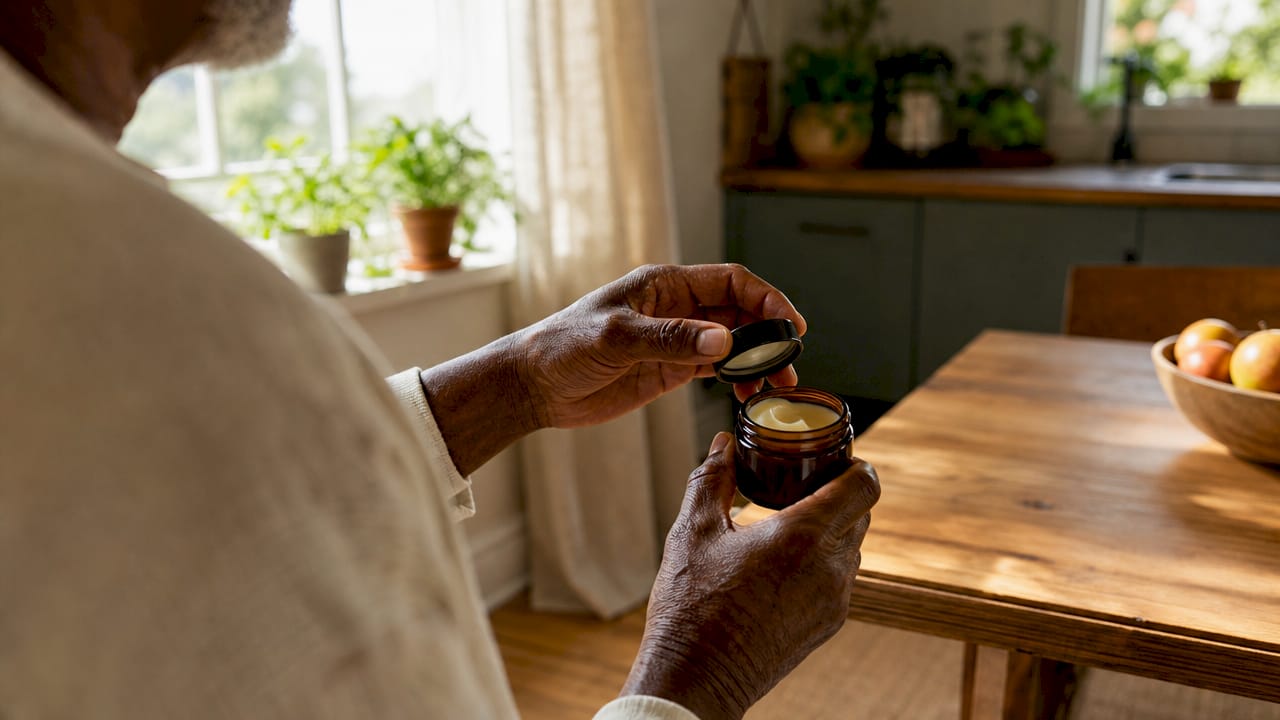
Vegan cannabis topicals are creams, serums, and oils formulated without beeswax, lanolin, collagen, or other animal-derived skin ingredients. The base ingredient in most quality vegan topicals is cold-pressed hemp seed oil, which is rich in omega-3 and omega-6 fatty acids, vitamins, and antioxidants.
Cold-pressed hemp seed oil is dermatologically tested for skin compatibility and complies with EU cosmetics safety regulations. Products formulated to these standards contain less than 0.2% THC, making them safe for topical use without psychoactive effects. That low THC threshold also means they are accessible to consumers who want the skin benefits of cannabis without any intoxicating risk.
What separates a quality vegan topical from a generic one:
The CBD beauty benefits of vegan topicals extend beyond basic moisturising. Cannabidiol interacts with skin receptors to reduce localised inflammation, making these products useful for post-workout recovery, joint discomfort, and dry skin conditions. Choosing a topical that is both cruelty-free and GMP-certified gives you confidence in both the ethics and the efficacy of the formula.
USDA Certified Organic certification for hemp indicates adherence to rigorous organic farming standards. That certification ensures the absence of harmful pesticides, herbicides, and fertilisers, which directly supports the goal of a pure, plant-based product experience.
Third-party lab testing goes one step further. Proper lab testing for vegan cannabis products confirms the absence of animal-derived contaminants, synthetic fillers, and inaccurate cannabinoid content. Labs issue a Certificate of Analysis that validates product safety and ingredient integrity, and any reputable brand makes this document publicly available.
The certifications and testing standards to prioritise:
Pro Tip: Download the COA directly from the brand’s website rather than relying on a retailer’s copy. The date on the COA should be within the past 12 months. An outdated COA is a red flag for a brand that is not actively monitoring its product quality.
Lab testing standards in 2026 have become more detailed, with leading labs now screening for a broader range of synthetic additives and animal-derived processing aids. That expanded scope directly benefits vegan consumers who need more than a cannabinoid potency number to trust a product.
Matching a plant-based cannabis option to your wellness goal requires looking at three variables: product form, cannabinoid ratio, and ingredient quality. Getting all three right is more reliable than choosing based on brand name or price alone.
By wellness goal:
By ingredient priority:
Check the ingredient list for these specific terms. Pectin confirms vegan gummies. Cold-pressed hemp seed oil confirms a quality topical base. Organic sunflower lecithin or coconut oil confirms a vegan carrier in tinctures. If you see “gelatin,” “beeswax,” “lanolin,” or “carmine,” the product is not fully vegan regardless of how it is marketed.
By budget:
Entry-level plant-based cannabis options typically use broad-spectrum hemp extract with minimal additional ingredients. Premium options layer in USDA Organic certification, nano-enhanced cannabinoids, and full-panel COA testing. Both categories can deliver real wellness value. The difference is in the depth of verification and the precision of the cannabinoid profile. Vegan cannabis product selection should always start with the COA, not the price tag.
Sustainability is a practical consideration as well. Vegan cannabis products reduce water usage and carbon footprint during production compared to formulations that rely on animal-derived ingredients. Choosing certified vegan products is a direct way to align your purchasing with environmental values.
Vegan cannabis products require USDA Organic certification, third-party lab testing, and full ingredient transparency to deliver genuine plant-based quality.
| Point | Details |
|---|---|
| Pectin replaces gelatin | Vegan gummies use pectin as the gelling agent; always confirm with the COA. |
| Cold-pressed hemp seed oil is the topical standard | GMP-certified, paraben-free topicals with this base are safe for sensitive skin. |
| Certification is non-negotiable | USDA Organic and third-party COA together confirm both source quality and product purity. |
| Match product form to wellness goal | Edibles suit systemic effects; topicals suit localised relief; oils suit flexible dosing. |
| Sustainability is a real benefit | Vegan cannabis production reduces water usage and carbon footprint compared to conventional formulations. |
The demand for cruelty-free cannabis has moved well past a niche trend. What I find most telling is not the growth in product launches but the questions consumers are now asking before they buy. A year ago, most people asked about potency. Now they ask about the COA, the gelling agent, and whether the topical contains beeswax. That shift in consumer literacy is the most meaningful change in the market.
What concerns me is the gap between marketing and reality. A product can carry a leaf logo, use words like “natural” and “plant-based,” and still contain gelatin or lanolin. The industry does not have a single mandatory vegan certification standard for cannabis, which means the burden of verification sits entirely with the consumer. That is not ideal, but it is the current reality.
My honest view is that the brands worth trusting are the ones that publish their COA without being asked, list every ingredient including carrier oils and colourants, and hold GMP certification. Those three things together are a more reliable signal of quality than any marketing claim. If a brand makes it difficult to find that information, that difficulty is itself the answer.
The plant-based cannabis category will keep growing because the underlying consumer values, ethics, health, and transparency, are not going away. The readers who take the time to learn what to look for will consistently make better choices than those who rely on packaging alone.
— Juiced
Greensociety offers a range of educational guides to help you make confident, informed cannabis purchases. Whether you are new to plant-based edibles or looking to refine your approach to selecting flower, the resources at Greensociety cover the full picture.
The cannabis flower buying guide walks you through every step of selecting quality flower with confidence, from reading strain profiles to understanding cannabinoid ratios. For readers interested in making their own vegan edibles at home, the cannabis kitchen recipes guide covers techniques and tips for plant-based preparations. Greensociety is built for Canadians who want quality, transparency, and fast delivery in one place.
Cannabis oils are vegan when the carrier oil is plant-based, such as MCT oil from coconut or hemp seed oil, and no animal-derived emulsifiers are used. Always check the full ingredient list and the COA to confirm.
Broad-spectrum CBD contains multiple cannabinoids and terpenes but no THC, making it the standard choice for THC-free vegan products. Full-spectrum includes trace amounts of THC alongside the full cannabinoid profile of the plant.
Check the ingredient list for pectin as the gelling agent and confirm the absence of gelatin, carmine, and dairy. Download the COA directly from the brand’s website to verify ingredient integrity.
USDA Certified Organic, GMP compliance, and a current third-party COA are the three certifications that confirm a topical is both clean and consistently produced. A cruelty-free certification adds confirmation that no animal testing occurred.
Yes. Cold-pressed hemp seed oil and CBD-rich topicals interact with skin receptors to reduce localised inflammation, and vegan edibles deliver the same cannabinoid effects as conventional formulations. Efficacy depends on cannabinoid potency and product quality, not on whether animal ingredients are present.