Free Shipping
on orders over $150.00
$40.00
$150.00
Add $110.00 more for free shipping!
-
×
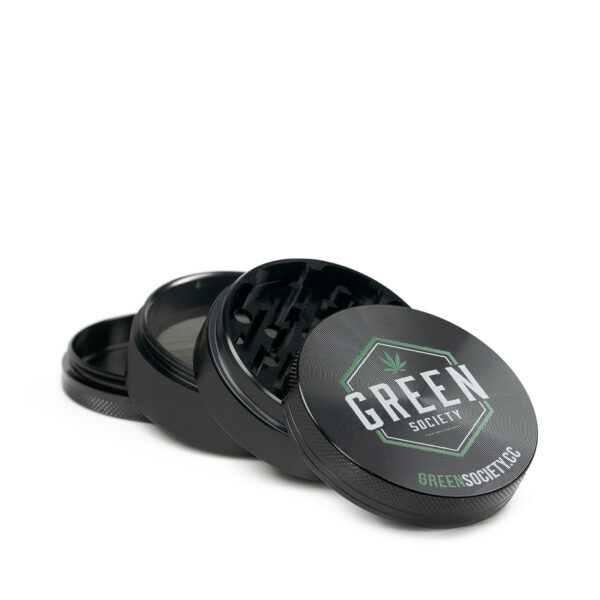 Green Society Herb Grinder
$40.00
Green Society Herb Grinder
$40.00

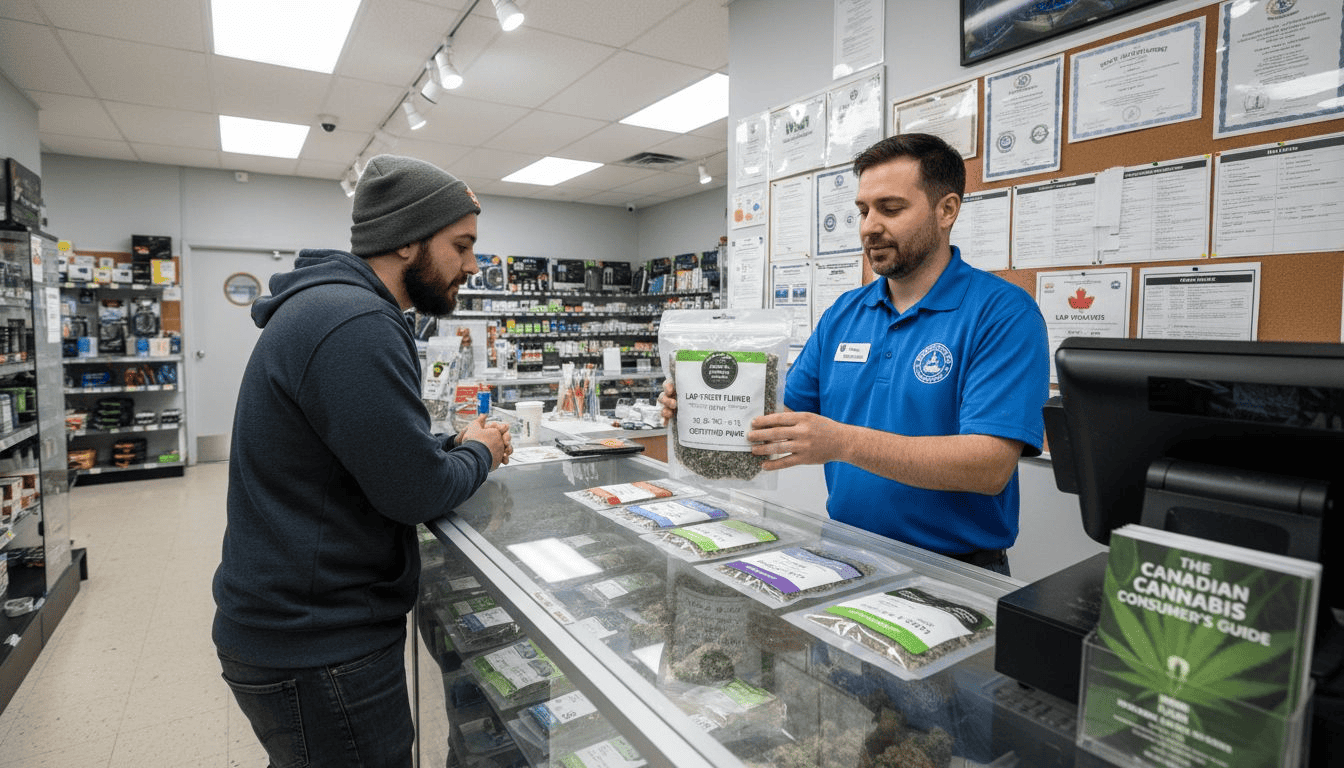
You’ve probably bought cannabis that looked perfect but delivered disappointing effects or harsh smoke. Many buyers struggle to identify quality cannabis despite attractive appearances, relying on looks alone without understanding what truly signals potency, purity, and safety. 87% of Canadian consumers prefer licensed products for reliable quality. This article covers visual, aroma, lab, and physical factors to recognize quality cannabis, empowering you to make confident purchases every time.
| Point | Details |
|---|---|
| Visual cues like dense trichomes and vibrant colors signal potency | Healthy buds display milky or amber trichome heads and tight structure |
| Aroma complexity indicates fresh, well-cured cannabis | Over 100 terpenes create citrus, pine, and earthy notes in quality flower |
| Lab-tested cannabinoid and terpene profiles confirm quality and safety | Premium cannabis shows THC 18-25% and terpene content above 2% |
| Healthy physical structure and moisture prevent mold | Ideal moisture ranges 8-12% with sticky, springy texture |
| Licensed sources ensure product safety and lab transparency | Verified lab reports guarantee contaminant-free, potency-accurate products |
Recognizing quality cannabis requires evaluating multiple characteristics that work together to define potency, safety, and enjoyment. Visual appeal including color, trichomes, and bud density forms your first assessment layer. Examine whether buds appear well-trimmed with visible crystal coverage.
Aroma complexity and freshness reflect terpene presence and proper curing quality. Fresh cannabis releases distinct, pleasant scents rather than musty or chemical odors. Lab testing data confirms cannabinoid percentages and absence of contaminants, particularly crucial for medical users who require CBD content above 5% and zero contaminants.
Physical factors like moisture and texture affect freshness and mold risk directly. Quality cannabis feels slightly sticky without being wet, and buds maintain structural integrity when gently squeezed. Avoid defective products with seeds, mold, or pests for safety.
Key evaluation criteria include:
Understanding how to read lab results for cannabis transforms you from a guessing buyer into an informed consumer. Each criterion reveals different aspects of cultivation quality, handling practices, and storage conditions. Together, they create a comprehensive picture of what you’re purchasing.
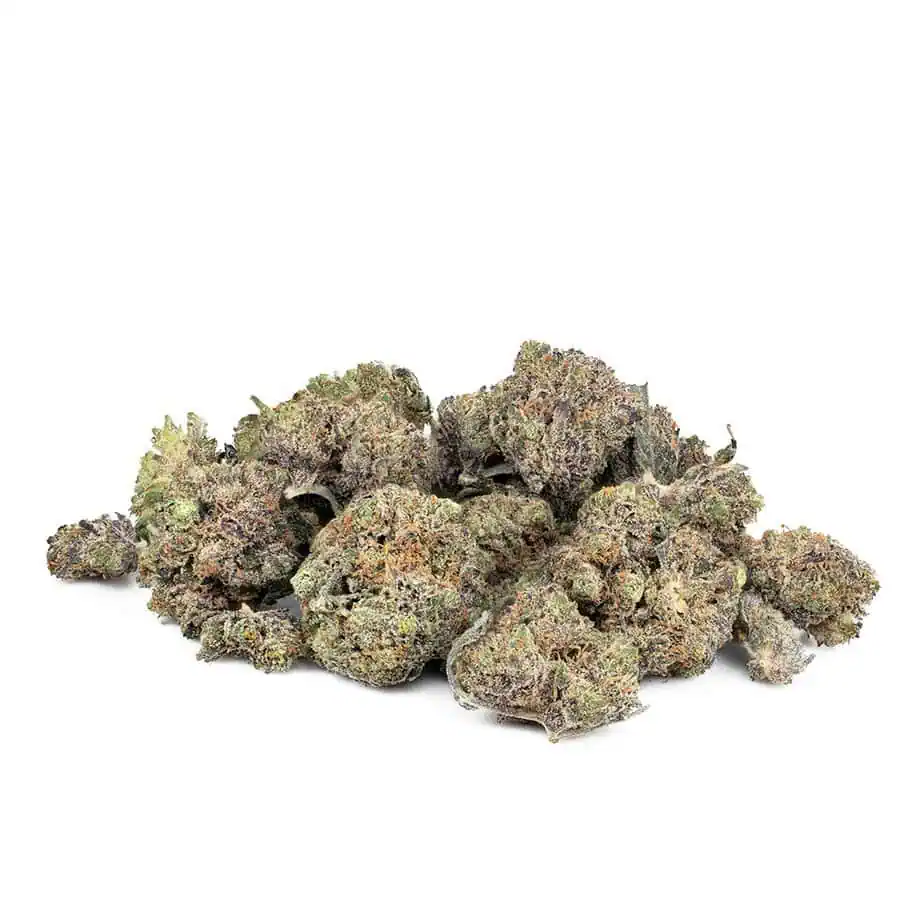
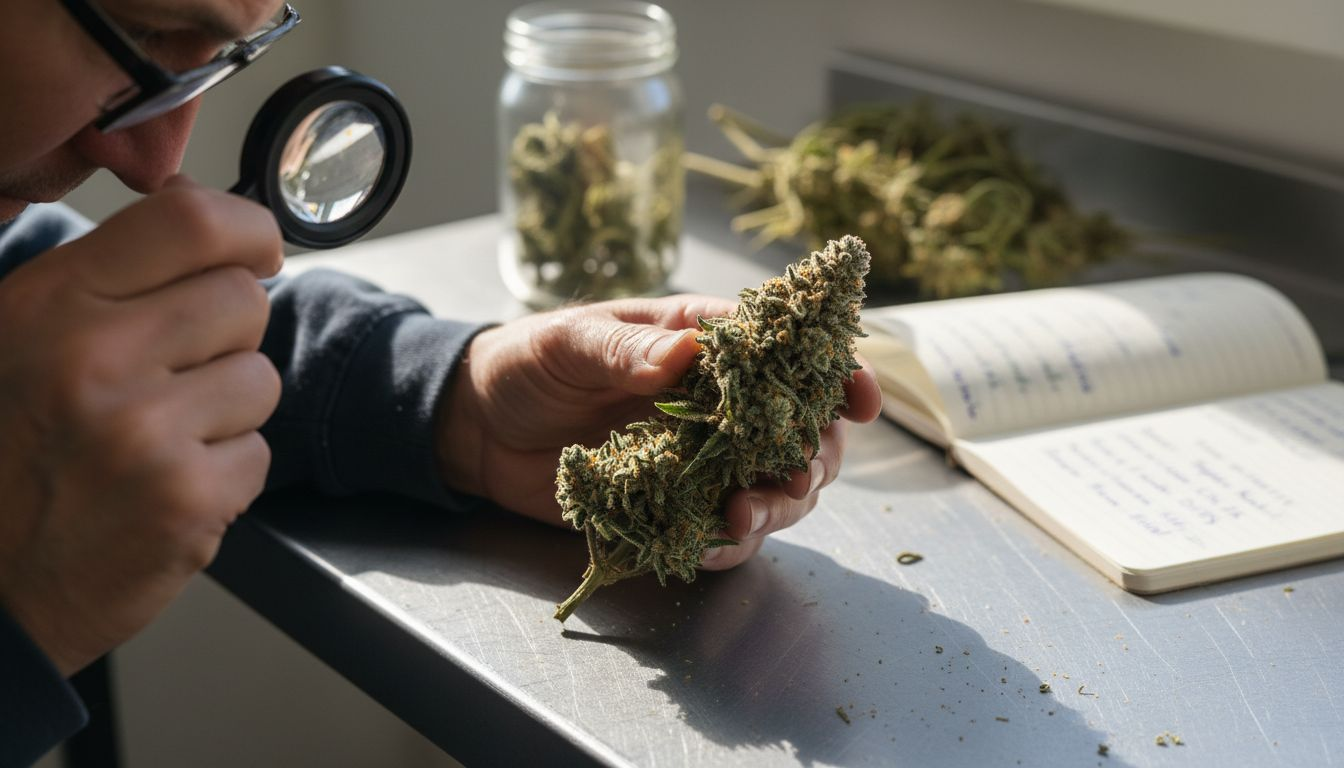
Trichomes are the tiny crystal-like structures covering cannabis buds that contain most cannabinoids and terpenes. Dense trichomes and well-manicured buds indicate THC potency between 15-30%, making visual inspection your most immediate quality indicator.
Healthy colors range from deep green to purples depending on strain genetics and growing conditions. Some strains naturally display orange pistils or purple hues, which signal proper maturation rather than defects. Avoid brown or yellow buds, which suggest age or improper storage.
Well-trimmed, tight buds suggest quality cultivation and careful trimming practices. Premium flower appears dense and compact, with minimal stem and leaf material. Loose or leafy buds often indicate inferior quality, rushed harvesting, or machine-trimmed flower lacking hand-finishing.
Inspect these visual elements:
Pro Tip: Use a magnifying glass or jeweler’s loupe to inspect trichomes closely for milky or amber heads. This reveals cannabinoid maturity better than naked-eye inspection. Milky trichomes indicate peak THC, while amber suggests higher CBN content producing more sedative effects.
Color vibrancy and trichome coverage directly correlate with the care taken during cultivation and curing. Check lab test results on cannabis potency to verify what your eyes observe matches actual cannabinoid levels.
Over 100 terpenes create distinct aromas like citrus, pine, and earthiness in quality cannabis. These aromatic compounds do more than smell pleasant; they indicate freshness, proper curing, and the entourage effect that enhances cannabinoid benefits.
A strong, fresh, and complex aroma including citrus, pine, and earthy notes indicates quality; musty or chemical odors suggest contamination or poor storage. Complex aroma signals freshness and proper curing methods that preserve delicate terpenes damaged by heat, light, or moisture.
Aroma strength often correlates with terpene content and effect quality. Premium flower releases noticeable scent immediately upon opening containers, while inferior products smell faint or unpleasant. Different terpene profiles create varying therapeutic effects beyond just smell.
Evaluate these aroma characteristics:
Musty, chemical, or moldy smells are red flags for contamination or improper curing. Ammonia odors indicate incomplete drying that trapped nitrogen compounds, while mold smells suggest moisture problems creating health risks. Chemical scents may signal pesticide residue or contamination.
Understanding high-quality cannabis aroma helps you identify terpene-rich flower that delivers superior effects and enjoyment. Trust your nose as much as your eyes when evaluating cannabis quality.
Lab reports show THC, CBD, and terpene levels and purity, transforming subjective impressions into objective data. These certificates of analysis verify what you’re consuming meets safety standards and delivers advertised potency.
Higher terpene percentages above 2% strongly relate to better effects and aroma quality. Terpenes work synergistically with cannabinoids to produce the entourage effect, enhancing therapeutic benefits and creating strain-specific experiences. Premium cannabis often displays 2-4% total terpene content.
Medical users prioritize verified CBD content above 5% and zero detectable pesticides. Medical applications require precise dosing and purity that only lab testing confirms. Recreational users also benefit from knowing exact potency to control their experience.
| Quality Metric | Premium Cannabis | Mass-Market Cannabis |
|---|---|---|
| THC Content | 18-25% | 10-15% |
| CBD Content | 0-15% (strain dependent) | 0-5% |
| Total Terpenes | 2-4% | 0.5-1.5% |
| Contaminant Testing | Full panel verified | Limited or absent |
| Lab Transparency | Published results | Often unavailable |
Key lab report elements include:
Pro Tip: Learn to read lab results carefully for potency and safety assurance by checking test dates, accredited lab names, and comprehensive panels. Recent tests (within 6 months) reflect current product quality better than old certificates.
Understanding reading cannabis lab reports empowers you to verify marketing claims and select products meeting your needs. Licensed dispensaries must provide this data, while black market sources typically cannot.
Ideal moisture content ranges from 8-12% to avoid mold or over-dryness. This narrow range preserves cannabinoids and terpenes while preventing microbial growth. Too much moisture creates mold risk, while excessive dryness degrades quality rapidly.
Sticky texture signals healthy trichome presence and cannabinoid preservation. Quality cannabis feels slightly tacky when touched, indicating intact resin glands. This stickiness comes from terpenes and cannabinoids, not moisture or additives.
Dry or brittle buds indicate old or poorly stored cannabis. Flower that crumbles into dust when handled has lost terpenes and potency through oxidation and degradation. These products deliver harsh smoke and diminished effects.
Overly moist buds risk mold, spoilage, and loss of quality. Wet-feeling cannabis may harbor mold spores or bacteria that create health hazards. Proper curing removes excess moisture while maintaining ideal levels.
Assess these physical characteristics:
Check bud firmness and slight springiness as freshness indicators. Fresh cannabis resists compression slightly, then returns to shape. Old or improperly stored flower feels either rock-hard or overly soft.
Proper moisture prevents cannabinoid degradation and terpene loss while maintaining smooth combustion or vaporization. These physical characteristics directly impact your consumption experience and product longevity.
Premium cannabis typically has 18-25% THC while mass-market products range 10-15%. This potency difference reflects cultivation expertise, genetic selection, and careful handling throughout production. Higher THC doesn’t always mean better, but it indicates attention to maximizing cannabinoid production.
Terpene content often exceeds 2% in premium flower, enhancing aroma and effects through the entourage effect. Mass-market varieties frequently show 0.5-1.5% terpenes, resulting in less complex aromas and diminished therapeutic benefits.
Licensed premium cannabis undergoes consistent lab testing and has transparent results available to consumers. These products display batch-specific certificates of analysis showing exact cannabinoid and terpene profiles plus safety screening.
| Comparison Factor | Premium Cannabis | Mass-Market Cannabis |
|---|---|---|
| Average THC | 18-25% | 10-15% |
| Terpene Content | 2-4% | 0.5-1.5% |
| Moisture Control | 8-12% consistent | Variable, often inconsistent |
| Trichome Density | Heavy crystal coverage | Moderate to light |
| Lab Testing | Full panel, published | Basic or unavailable |
| Trim Quality | Hand-trimmed, minimal leaf | Machine-trimmed, more leaf |
| Price Range | Higher | Lower |
Quality distinctions include:
Mass-market varieties often show greater moisture variability and less potent aroma due to high-volume processing. Price generally correlates with quality but is not the sole factor; some mid-priced products offer excellent value.
Premium cannabis delivers superior flavor, smoother consumption, and more consistent effects. Understanding these differences helps you decide when premium pricing justifies the investment versus when mass-market options suffice.
Buy from licensed dispensaries to ensure lab-tested, safe products meeting regulatory standards. Licensed retailers must comply with strict quality controls, product tracking, and safety testing that protect consumers.
Verify lab test reports are recent and complete before purchasing. Current certificates (within 6 months) reflect actual product quality better than outdated results. Complete reports include cannabinoid profiles, terpene analysis, and safety screening.
Avoid black market or unlabeled cannabis to reduce health risks from contaminants, pesticides, or mislabeled potency. Unregulated sources cannot guarantee product safety or accurate information.
Online stores with transparent testing like Green Society offer convenience and quality assurance. 87% of Canadian consumers prioritize licensed products for assured quality and safety.
Safe purchasing practices include:
Understand buying weed safely online in Canada requires verifying retailer licensing and product testing. Legitimate online dispensaries display their licenses prominently and provide customer service to answer quality questions.
Explore legal cannabis buying online options that prioritize transparency and consumer protection. Licensed cannabis purchase in Canada ensures you receive products meeting federal standards for safety and quality.
Reputable retailers stand behind their products with satisfaction guarantees and clear return policies. This confidence reflects their commitment to quality and customer satisfaction.
Apply your new quality assessment knowledge by exploring Green Society’s expertly curated, licensed cannabis meeting strict quality standards. Every product undergoes rigorous testing and selection to ensure you receive the potency, purity, and freshness you deserve.
Discover indica strains at Green Society featuring dense trichome coverage, complex terpene profiles, and verified lab results. Our selection includes premium flower displaying the visual, aromatic, and physical characteristics discussed throughout this guide.
Use our cannabis flower checklist to refine your selection process with step-by-step evaluation criteria. Lab-tested, fresh cannabis ensures safety, potency, and enjoyment for both medical and recreational users seeking reliable experiences.
Shop confidently at Green Society with transparent product information, detailed descriptions, and accessible lab reports. Convenient online ordering delivers premium cannabis directly to your door with discreet packaging and fast shipping. Our commitment to quality means you never compromise on the standards that matter most.
Quality cannabis typically ranges 18-25% THC for premium flower, though 15-30% is acceptable depending on strain genetics and intended effects. THC percentage alone doesn’t determine quality; terpene content, freshness, and purity matter equally for overall experience.
Visually inspect for white, gray, or black fuzzy patches that differ from trichomes, which appear crystalline and uniform. Moldy cannabis smells musty or like mildew rather than fresh and aromatic. Never consume suspicious flower; mold poses serious health risks.
Terpenes create aroma, flavor, and therapeutic effects through the entourage effect with cannabinoids. Premium cannabis contains 2-4% total terpenes versus 0.5-1.5% in mass-market products, directly impacting your experience quality and satisfaction.
Yes, lab results verify potency claims and confirm absence of pesticides, heavy metals, and microbial contaminants. Licensed dispensaries must provide this testing, protecting your health and ensuring you receive accurately labeled products.
Properly stored cannabis in airtight containers away from light and heat maintains quality for 6-12 months. Check for preserved aroma, sticky texture, and maintained color as freshness indicators. Degraded flower loses potency and develops harsh, stale characteristics.
Quality cannabis maintains 8-12% moisture content, feeling slightly sticky without wetness. This range preserves cannabinoids and terpenes while preventing mold growth, delivering smooth consumption and optimal effects throughout product shelf life.